PM Modi and Russian President talk for second time in a fortnight while ongoing border talks with China are indicative of the pace of consultations between India and the two key foreign powers
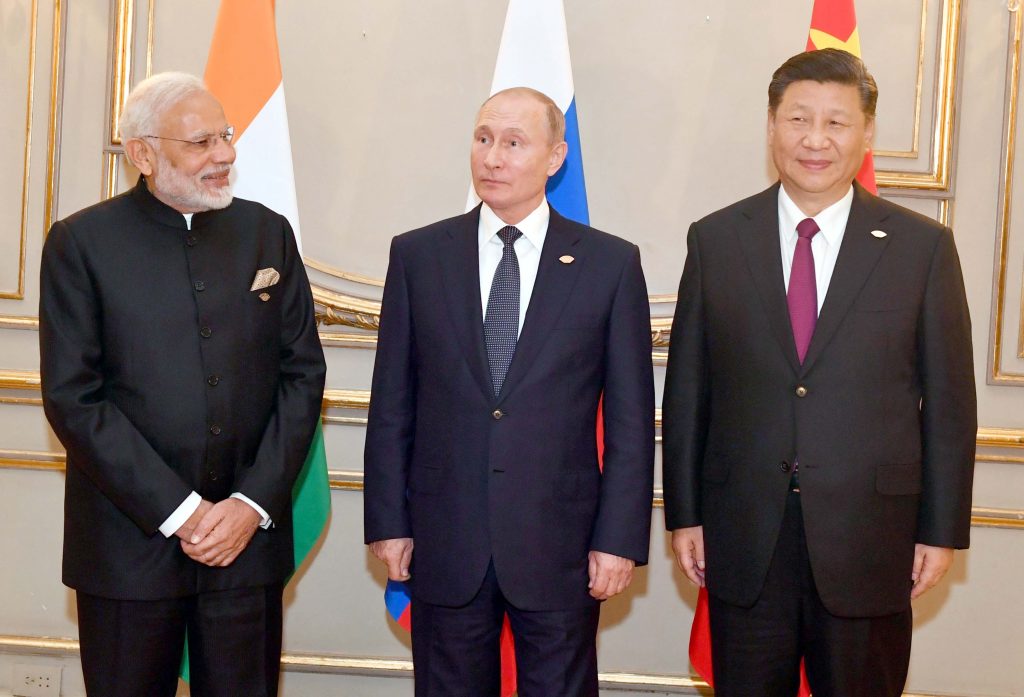
Following his Alaska’ meeting with US President Donald Trump in Alaska, Russian President Vladimir Putin on Monday called Prime Minister Narendra Modi to inform him about the discussions. PM Modi told Putin that India has consistently called for a peaceful resolution of the Ukraine conflict and supported all efforts in this regard in his conversation with Putin who presented his “assessment” of Alaska talks with Trump.
“Thank my friend, President Putin, for his phone call and for sharing insights on his recent meeting with President Trump in Alaska. India has consistently called for a peaceful resolution of the Ukraine conflict and supports all efforts in this regard. I look forward to our continued exchanges in the days to come,” PM Modi wrote on X
This is the second conversation between PM Modi and the Russian President in a fortnight. This and ongoing border talks with China are indicative of the pace of consultations between India and two key foreign powers.
India-China’ outreach
Chinese Foreign Minister Wang Yi’s ongoing two-day visit to India comes ahead of PM Modi’s scheduled visit to China for the annual summit of the Shanghai Cooperation Organisation (SCO). The visit is significant keeping in mind the pending issue of de-escalation of troops since October last year when the two sides agreed on disengagement from two friction points along the Line of Actual Control (LAC).
Wang’s meetings, first with External Affairs Minister S Jaishankar and then National Security Adviser (NSA) Ajit Doval on the pending boundary issue during the 24th round of the Special Representatives (SRs) dialogue will lay the groundwork for a “way forward” for the meeting between PM Modi and Chinese President Xi Jinping.
PM Modi’s visit to China for the first time in over seven years is being seen as another sign of a diplomatic thaw with Beijing amid the trade tariff’ tensions with the US.