Analysts say yatra has the potential to energise key voter segments, the opposition, and highlight the ‘vote chori’ narrative, whether it manages to do that depends on how effectively the campaign translates awareness into voter turnout
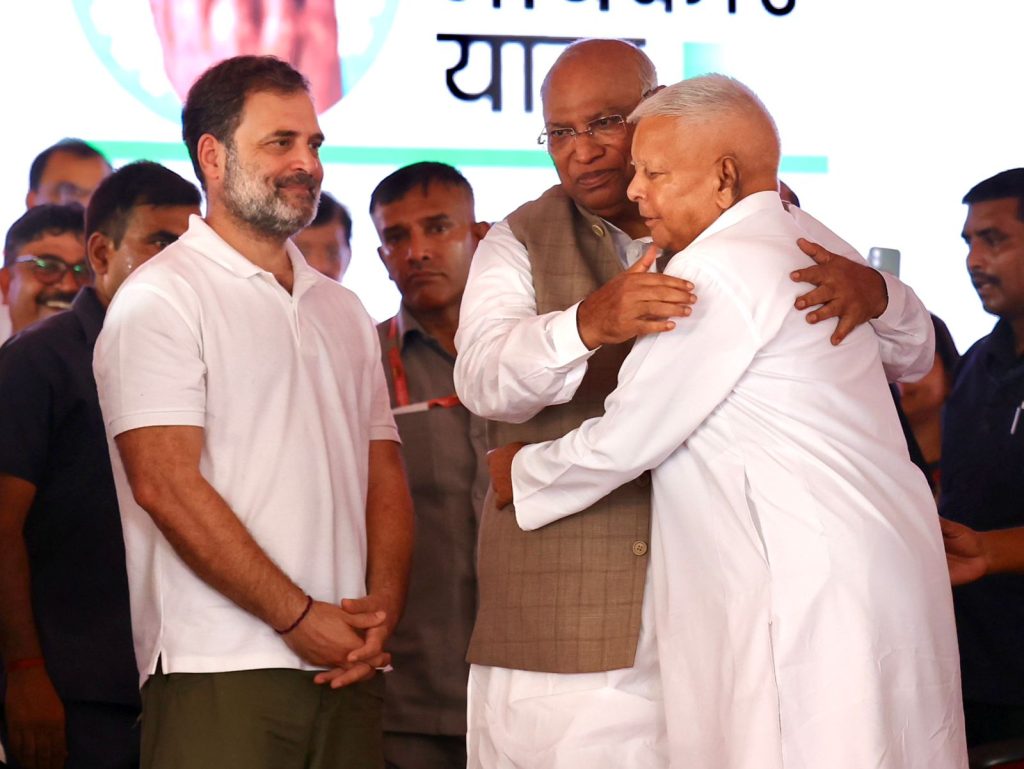
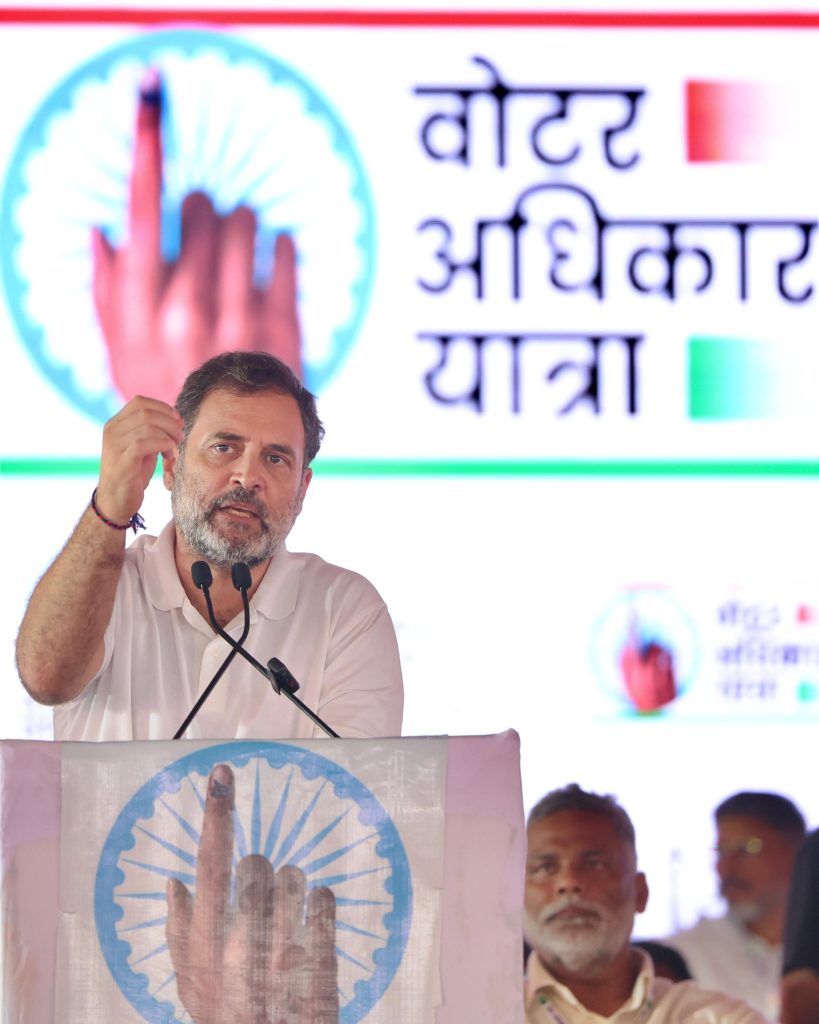
Leader of the Opposition in Lok Sabha Rahul Gandhi on Sunday began his 16-day “Voter Adhikar Yatra” from Sasaram in poll-bound Bihar. Addressing a gathering before starting his 1,300 km yatra covering over key districts, Gandhi claimed the entire country knows the Election Commission is “stealing” votes and elections in collusion with the BJP but the INDIA bloc will not let them succeed in their “conspiracy” to steal Bihar Assembly polls by voter additions and deletions through the Special Intensive Revision of electoral rolls.
RJD leader Tejashwi Yadav said the BJP was taking the EC’s help to remove the genuine voters from the draft rolls and was cheating the people in the name of SIR.” RJD chief Lalu Prasad urged people to “throw out the thieves and BJP to save Bihar and strengthen the democracy.”
The yatra is being organised just months before the Bihar assembly polls
Gandhi has repeatedly described yatra as a “decisive battle to save democracy, the Constitution, and the principle of one person, one vote.”
Yatra—objectives
The main objective, of course, is to protest against alleged voter disenfranchisement via the SIR process, highlight and oppose the exercise which Congress alleges is being used to disenfranchise key communities—especially Dalits, Adivasis, minorities, and economically weaker groups—by incorrectly deleting or adding voters’ names.
Gandhi is accusing the EC and the ruling BJP of manipulating the voter list to facilitate “vote chori” and the yatra is designed to raise awareness among citizens, especially youths, farmers, workers, and marginalized groups, about their democratic rights, urging them to stay alert against attempts to violate the principle of “one person, one vote.”
The march also showcases solidarity among INDIA bloc parties. Leaders from RJD, CPI(ML), CPI, CPI(M), and others are participating, signaling collective resistance to what they view as “institutional erosion of voter rights.”
Will it make a difference
The yatra has mobilised allies across the INDIA/Mahagathbandhan alliance and will pass through strategic constituencies, strongholds and swing seats in key regions, including in regions like Magadh, Seemanchal and Mithila
It has provoked substantial reactions, including social media, whether it translates into votes is the big question.
Gandhi’s earlier yatras—Bharat Jodo Yatra and Bharat Jodo Nyay Yatra—helped revive Congress’s image, and analysts attribute part of its assembly successes in Karnataka and Telangana to these mobilisations. However, electoral gains were not visible in Madhya Pradesh, Rajasthan, and Chhattisgarh. The BJP has dismissed the yatra as a “circus meant more for spectacle than policy impact”
Clearly the yatra is strategically aimed at improving the party’s and the coalition’s strike rate, therefore it is not just a mass messaging. If it galvanises voters—especially around exclusion fears—it could boost turnout and sentiment in favor of the INDIA bloc.
But raising awareness is one thing, winning elections in close, polarised contexts is another.
The historic impact is likely to be mixed, much like in earlier yatras.
The bottom line
Sasaram from where the yatra started holds deep symbolic and political significance both for Bihar and India as the whole. Besides, it also has a large Dalit and backward caste population, which are the key to opposition’s message about voter disenfranchisement under the Special Intensive Revision electoral rolls by direct appeal to communities who fear being erased.
Analysts say yatra has the potential to energise key voter segments, the opposition, and highlight the ‘vote chori’ narrative, whether it manages to do that depends on how effectively the campaign translates awareness into voter turnout