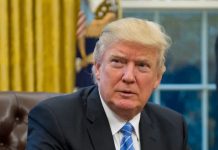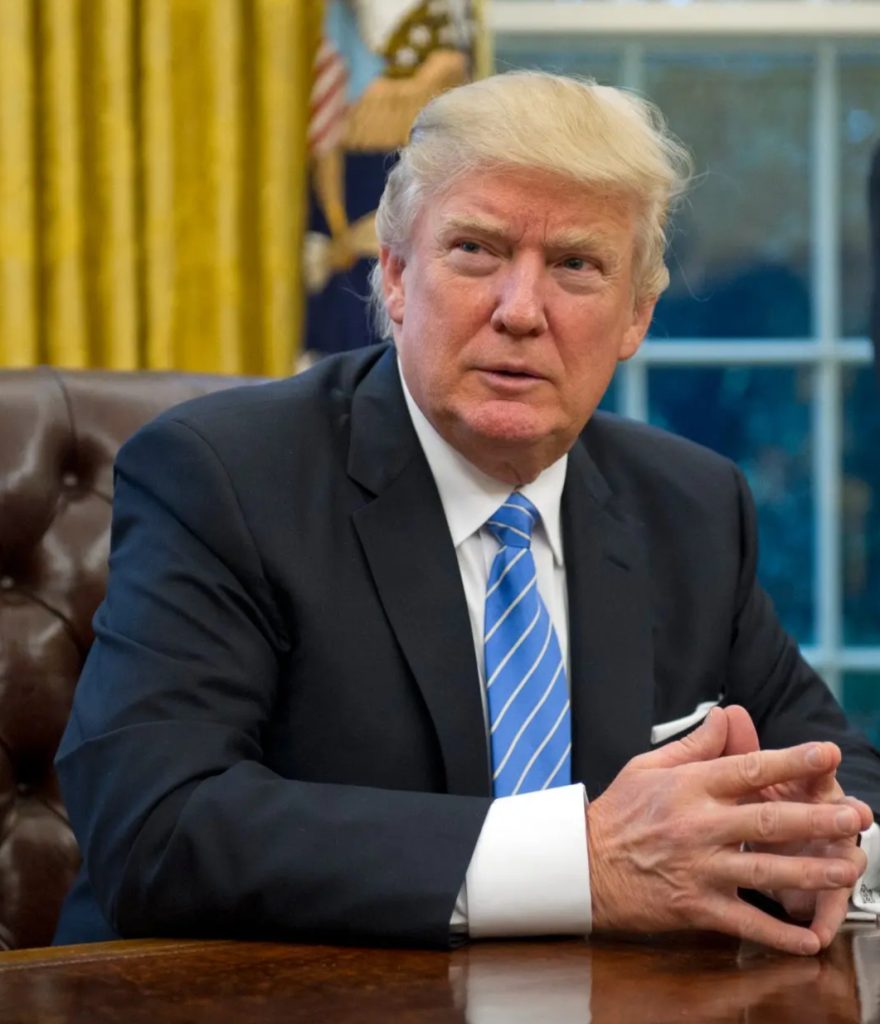
U.S. President Donald Trump has ordered a temporary halt to planned military strikes on Iranian energy infrastructure, signalling a possible opening for de-escalation after days of heightened tensions.
In a post shared on his social media platform X, Trump said the United States would suspend attacks on Iran’s power plants and energy facilities for a period of five days. The decision, he noted, follows what he described as “productive” back-channel communications with Iranian representatives over the past two days.
According to the US President, the pause is intended to provide space for ongoing discussions that could lead to a broader resolution. While no formal agreement has been announced, the move suggests a shift from immediate military action toward a more cautious, diplomatic approach.
The announcement comes at a time when tensions between the United States and Iran had been escalating, with both sides exchanging warnings and preparing for potential strikes targeting critical infrastructure. U.S. officials had reportedly been considering action against Iran’s energy sector, a move that analysts warned could significantly impact regional stability and global energy markets.
Trump indicated that the suspension of strikes is conditional and depends on the progress of ongoing discussions. “We’ll see what happens over the next few days,” he said, suggesting that the pause could either be extended or lifted depending on developments.
Despite the Donald Trump’s remarks, there has been no official confirmation from Iranian authorities regarding direct negotiations. This has led to some uncertainty about the nature of the reported contacts, which are believed to be taking place through indirect or intermediary channels.
The temporary pause has already influenced market sentiment, with investors reacting to the reduced likelihood of immediate disruption to energy supplies. However, experts caution that the situation remains fragile, and the absence of a formal agreement means that tensions could quickly resurface.
Diplomatic observers note that short-term pauses like this have, in the past, created opportunities for dialogue but have not always resulted in lasting agreements. Much will depend on whether the current engagement can move beyond informal exchanges toward a structured negotiation process.