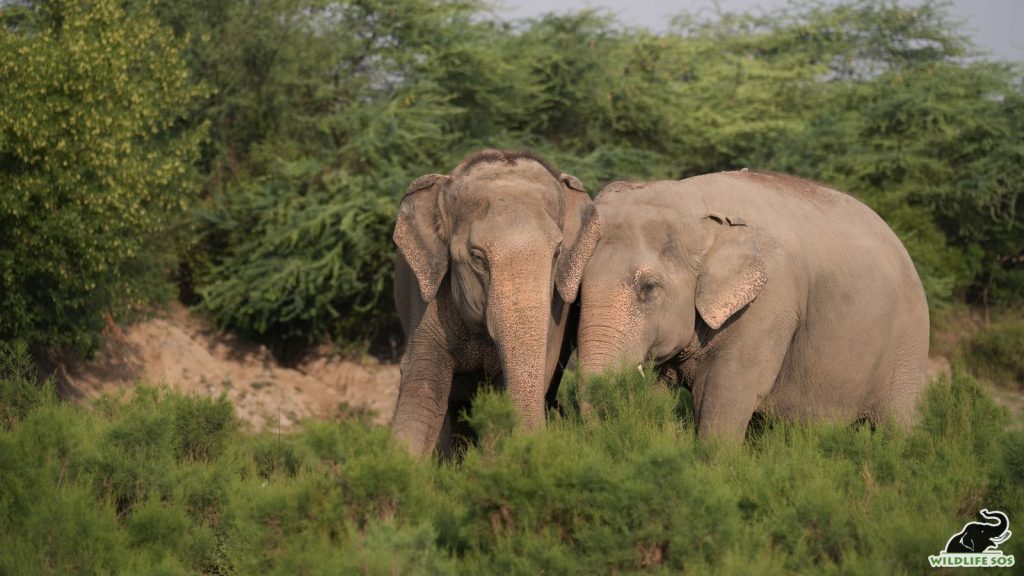
In a tragic incident that has sparked outrage across Assam, at least 7 elephants were killed, and one was injured after a herd of jumbos was hit by the Sairang-New Delhi Rajdhani Express in Assam’s Hojai district early on Dec 20, officials said. Five coaches and the train’s engine were also derailed.
The accident occurred near the railway tracks in the Nagaon district, a region known for its rich biodiversity and large elephant population. The collision is believed to have taken place during the train’s scheduled journey from New Delhi to Guwahati.
According to eyewitnesses and railway officials, the elephants were crossing the tracks when the high-speed train, unable to stop in time, struck the herd. Despite the efforts of the train driver to apply emergency brakes, the fast-moving train could not avoid hitting the animals, which are often known to migrate through this region in search of food and water.
Assam Forest Minister, Prafulla Kumar Mahanta, expressed deep sorrow at the loss, calling it “a heart-breaking event” that highlights the growing conflict between wildlife and infrastructure development in the region. “This tragic accident underscores the urgent need for measures to protect wildlife corridors and ensure safer passage for animals in Assam,” Mahanta stated in a press briefing.
The elephants, which are an endangered species in the region, were part of a larger herd that had been spotted crossing the tracks earlier in the evening. Wildlife experts believe that the herd was likely migrating through the area during the night, a common pattern for elephants, which are known to travel long distances in search of resources.
The collision has drawn immediate criticism from environmentalists and wildlife activists, who are calling for stricter safety protocols for trains running through areas with significant wildlife populations. “Incidents like this are not only tragic but also preventable,” said Dr. Rina Bhattacharya, a prominent wildlife conservationist based in Guwahati. “We need to invest in wildlife corridors, warning systems, and speed regulations in vulnerable zones. The loss of seven elephants is a blow to the already endangered population of elephants in Assam.”
In response to the incident, the Assam Forest Department has announced an inquiry into the matter, pledging to examine whether the train was operating within the speed limits for areas near wildlife habitats. They have also called for immediate measures to be implemented to protect elephants, including the installation of wildlife warning signs along rail tracks and more frequent patrols of known elephant migration routes.
Railway officials have expressed their condolences, emphasizing that the safety of both passengers and wildlife is a priority for the Indian Railways. “This is a tragic and unforeseen incident,” said an official from the Northeast Frontier Railway zone. “We will cooperate fully with the authorities to understand the cause of the accident and work towards preventing such incidents in the future.”
Assam’s elephant population has been under increasing threat due to habitat loss, human-wildlife conflict, and poaching. The state is home to around 5,000 wild elephants, with many living in the Kaziranga National Park and surrounding areas. The collision comes just days after the state government declared plans to implement new wildlife conservation programs aimed at reducing human-animal conflicts.