Paid newsorpaid content refers to articles in newspapers, magazines, and electronic media that portray favourable conditions for the institutions that have paid for their publication. Such news resembles advertisements, but without the ad tag. This kind of news has long been considered a serious malpractice, as it deceives citizens by hiding the fact that what appears as news is actually an advertisement. Secondly, the payment modes often violate tax rules and election spending laws. More seriously, it raises electoral concerns because the media directly influences voters. Paid news is considered a form of corruption and is often seen during elections, and is used to unfairly benefit or harm a candidate’s prospects.
Who can forget the Nira Radia tapes controversy? Nira Radia, head of Vaishnavi Communications — a public relations (PR) firm set up in 2001 — counted among her clients some of the country’s biggest corporate houses, with Tata and Reliance being the most prized. Radia was referred to less as a PR professional and more as a lobbyist, involved in liaisoning among corporate houses, journalists, politicians, and bureaucrats. The fallout from the Radia tapes also raised questions about the credibility of some journalists. The most alarming aspect of the tapes was the alleged involvement of journalists in political and corporate deal-making. The reports suggested that some of the country’s top journalists acted as go-betweens for politicians, parties, and corporate houses. This too was a form of paid news.
Since paid news has long ailed Indian society — especially during election season — Tehelka decided to investigate this corruption for the first time in the country. And it did so when the Bihar elections were on, with several other states, including West Bengal, heading for polls next year.
“I have helped three sitting chief ministers get their paid news published. I created their profiles, uploaded them on social media and promoted them — for money. This is simply paid news,” said Vinod Tiwari [name changed], of a leading digital brand.
“I will publish paid advertisement in news form so the Election Commission of India will not be able to identify whether it is paid or organic. This is the best way to deceive the ECI in the paid-news business,” Vinod told Tehelka.
“You tell me which channel you want your candidate’s story on during elections and it will be done. I give this service also — for money,” he added.
“I will do everything: get articles published, along with pictures and videos of the candidates. It will all be paid. Someone will write articles in favour of the contesting candidate. Paid news will appear both in newspapers and on digital platforms — and everything I’m telling you will be paid,” said Rohan Mishra, founding director of Tramt Technology.
“I charge Rs 16,000 for getting one positive story published on top digital platforms in the country. If you want a negative story about your rival candidates, the charge doubles — from Rs 16k to Rs 32k per story,” Rohan told our reporter.
“In the Bihar elections, your paid news will be presented organically to deceive the Election Commission of India. Your item will appear in the top hundred news pieces that run on every channel. It will be presented as news, not advertisement — and it will be paid. The television rate is Rs 35,000 for 15–20 seconds,” Rohan revealed.
“I have been doing paid news for a long time and have never been caught. Paid news is now done through vendors, so it will appear in newspapers in organic form. A reporter will go and do the story, but it will be paid. The rate is around Rs 60–65k per story,” he said.
“All payments for paid news to me will be in cash. If I take any payment through an account, it will not be in my company’s account; it will be routed through some other account,” Rohan added.
The paid news business, says Vinod, has now become more organised — a marketplace run through vendors instead of direct media deals. These vendors act as middlemen between politicians and media outlets, managing everything from content creation to placement.
Vinod, who claims to have worked for three sitting Chief Ministers, explains his role with startling candour. “I create their profiles, upload them on social media, and promote them — all for money. This is simply paid news,” he told Tehelka.
Rohan Mishra, another vendor in the business, echoed Vinod’s words, adding that during elections, demand for such services shoots up. “From local MLAs to big leaders, everyone wants to control the narrative. We make that happen,” he said with a grin.
In the following exchange, Vinod admits he provides end-to-end branding for politicians, including election packages that create and promote candidate profiles. He says he has sold such profiles before and charges for promotion on digital and news platforms. Vinod insists these items are timed and presented so the Election Commission cannot easily spot them as paid.
Reporter- Iskey alawa aap branding bhi karte hain — individuals, elections mein jaise politicians hain, election contest kartey hain?
Vinod- Haan.
Reporter- Karte hain aap?
Vinod- Kartey hain. Maine XXXX saheb ki ki hai.
Reporter- XXXXXX ki?
Vinod- Haan, haan. XXXXXX ki hai, XXXXX ke liye kaam kiya hai.
Reporter- Elections mein paid news.. wo kaise karoge aap?
Vinod- Elections ke liye mere pass poora ek package hai, package ke through mein sari cheezein kar sakta hoon.
Reporter- Dekhiye do cheezein hongi. Ek to Netaji apna profile banake aap ko de denge, wo aapko chalwana hai newspapers mein, akhbaro mein usko publish karwana hai, ek tareeka ye hoga ki Netaji kahenge meri branding karwani hai, team apki hogi; ab aap kaise karenge. Lekin hoga wo election announce hone ke baad hi, to aapko ye dekhna hai ki Election Commission of India ke saamne na pata chal paaye ki ye paid news hai.
Vinod- Wo sab mein kara lunga, wo kahin kisi ki nazron mein nahi aane wala, Election Commission also knows ki yahi time hota hai apne ko pulling karwane ka, ye har jagah hota hai, aisi koi dikkat wali baat nahi hai.
Reporter- To aap kar chuke ho paid news election ke time mein?
Vinod- Haan.
Reporter- Pakka?
Vinod- Haan, maine bataya na election time mein maine in logon ki aisi aisi profile bechi hai, sir.
Reporter- To ismein paid news thodi hoga XXXXXX etc mein ?
Vinod- But maine unka profile banaya, usko load bhi kiya, charges bhi liye, also unhone bola mera ye video hai, isko promote kariye; ya mein ye cheez kar raha hoon, aap isko likhwaiye, to wo paid hi to hua, sir.
[The above exchange shows vendors promising fully managed, disguised publicity during polls. It also reveals that paid political publicity is now a packaged, routinised service deliberately disguised to evade regulators. Such practices corrode public information and weaken electoral fairness.]
“How can we dodge the Election Commission of India when it comes to paid news?” In response, Vinod told us he presents paid material as ordinary news — it looks like normal reporting but is paid for, so the ECI will not be able to identify it. In this brief exchange, Vinod reveals how political stories are subtly shaped before reaching the public.
Vinod- Mein XXXXX ke liye kaam karta hoon.
Reporter- Kis type ki stories lag sakti hain?
Vinod- Jaise hamare pass na abhi kuch political stories aa rahi thi, jaise har poltical party ye chahti hai ki mere jo interview hain wo logon tak pahuche, kaise pahuchegi, jab aap us story ko ek news way mein pesh karo. Agar aap seedha seedha bologey to sab log samajh jayenge ki ye paid story hai.
[Vinod’s remarks expose how news packaging can blur the line between information and influence. We learn how political publicity often wears the mask of journalism. It’s a reminder that what appears unbiased may, in truth, be carefully curated.]
Vinod admitted that he is in the business of getting stories published on any news channel in India. He said he has the reach and connections to help people get their stories published on news platforms. He reveals that parties want their interviews to reach people without seeming sponsored. The trick, he says, lies in presenting them in a “news way.”
Vinod- Kehne ka motive ye hai ki mere pass cheezen saari hain, mere pass reach hai, channels hain. Aaap jo kahenge, mere pass wo saari cheezein hain.
Reporter- Channels mein bhi story lag sakti hai?
Vinod- Aap batao kaunsi hai aur kis channel mein lagani hai aapko?
Reporter- Accha, ye bhi services hai aapke pass?
Vinod- Ye bhi hain.
[In this exchange, Vinod opens up about the behind-the-scenes tactics used to make political content appear like real news. His account lays bare how political messaging is often disguised as impartial news. His account reveals how subtle framing can give paid content a perceived credibility.]
Now Vinod revealed how once the deal he had struck for promotion of a BJP candidate fizzled out. According to him, a BJP candidate, a former mayor, contesting the assembly elections had called him and given him the voter ID details and phone numbers of around 1.5 to 2 lakh voters from her constituency. Vinod was supposed to send WhatsApp messages to those voters, asking them to vote for the BJP candidate. He said the deal was fixed at Rs 8 lakh. But soon after, the BJP IT cell came to know about it and cancelled the deal. Vinod added that the deal was called off because everything in the BJP is centralised — even for promotion, candidates cannot hire independent agencies; the party handles all such work itself.
Vinod- Wo XXXXX hain na XXXX mein. To unko chances they ticket milne ke BJP se, jab XXXXX election hua tha.
Reporter- XXXXXX to shayad mayor bhi reh chuki hain?
Vinod- Haan, mayor bhi reh chuki hain. So mein unke touch mein aaya tha to paid promotion ki baat chal rahi thi, to us samay XXXXX channel funding kar raha tha, to unhone mere ko bola mere ko whatsapp campaign karna hai, whatsapp par messages bhejna tha, maine bola ho jayega mere ko de do.
Vinod (continues)- Maine kahan aap mere ko numbers de do. Unhone bola mein apni constituency se jo 1.5 lakh se 2 lakh tak numbers doonga, usmein aapko bhejna hai. Maine bola theek hai, maine unko costing di, sab cheez final ho gayi, but BJP ka kya hai sir ki unka khud ka apna ek poora channel hai; so they said agar aapko koi bhi promotion karni hai to use our internal channels only.
Vinod (continues)- To XXXXX ko pata chala ki ye aise aise whatsapp par promotion karwana chahti hain to unhone us bande ko inse connect karwa diya, to meri deal samajiye aap sign hotey hotey reh gayi.
Reporter- Kitne ki thi deal?
Vinod- Wo meri deal thi 8 lakh ke asspass ki thi.
Reporter- Ek election ki?
Vinod- Haan, sirf whatsapp campaign.
Reporter- XXXXX election mein?
Vinod- Ye sir jo abhi XXXX mein hua hai, isi election mein.
Reporter- To voter ID se hi saare number nikal rahe honge?
Vinod- Unhone kya kiya tha, voter ID ki poori list mere pass aa gayi thi, jiske ander mere ko messages send karne they.
[Here, Vinod outlined how a near-complete deal to run a paid WhatsApp campaign for a candidate who had previously been mayor came a cropper after party machinery took control. However, the truth remains that money and data increasingly shape political reach.]
After Vinod, Tehelka met Rohan Mishra, another paid news vendor and founding director of Tramt Technology. Rohan also told Tehelka’s reporter that he would handle everything — getting articles published along with pictures and videos of the candidates. It would all be paid. According to Rohan, someone would write articles in favour of the candidate contesting elections. Paid news would appear in both newspapers and digital platforms, and everything he mentioned, he said, would be paid.
Reporter- Wo aap kaise karenge; matlab article publish karwayenge?
Rohan- Article bhi hai, photo bhi hai, video shooting bhi hoti hai..
Reporter- Akhbaro mein article publish karyaenge, paid hongey wo sare?
Rohan- Paid honge… jo article likhe jaatey hain, jaise banner hota hai.
Reporter- Mein print ki baat kar raha hoon, akhbar ki, digital ki nahi.
Rohan- Mein dono ki baat kar raha hoon, article likhe jayenge, kisi ke through likhe jayenge.
Reporter- Paisa dena padega na usmein?
Rohan- Jo bhi cheez mein bol raha hoon, sab cheeez ke paise hain.
[In this exchange, Rohan lays bare the inner workings of the paid news machinery. From print to digital, every format — articles, photos, and videos — comes with a price tag. The exchange reveals how deep-rooted the monetisation of news has become. Rohan’s claims suggest that nothing moves without payment in the news business.]
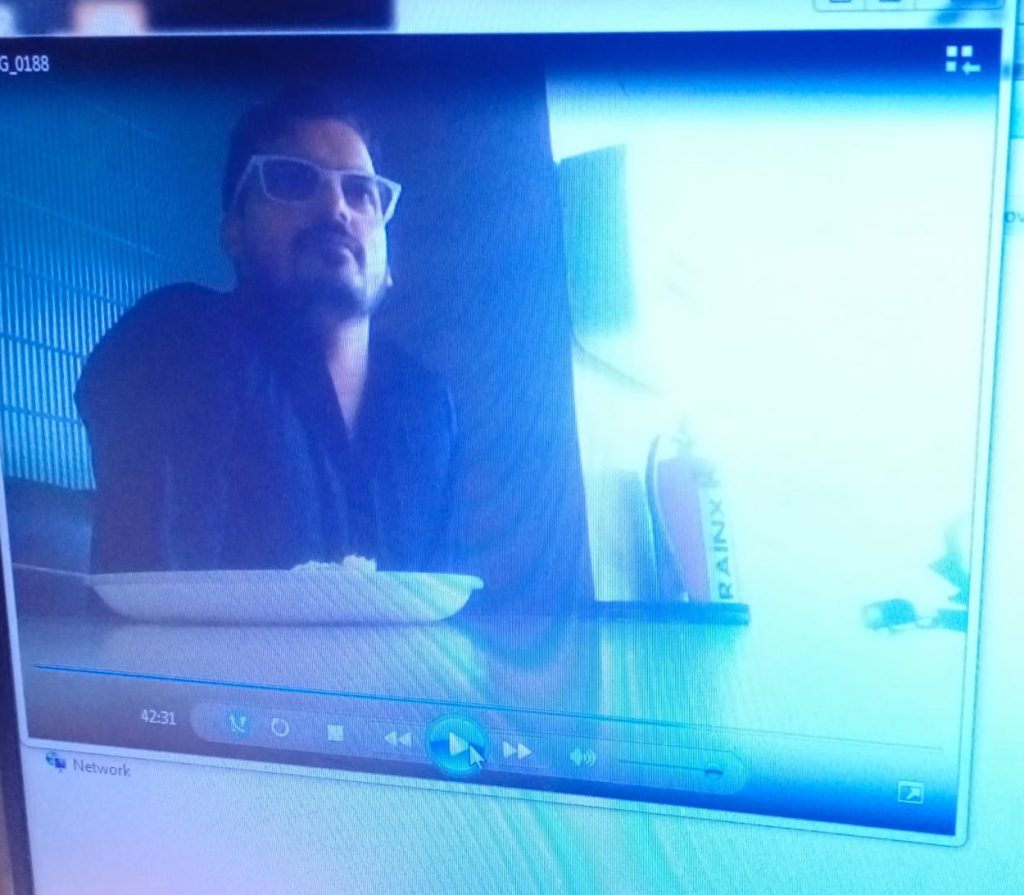
Now Rohan disclosed to Tehelka that he charges Rs 16,000 for getting one positive story published on top digital platforms in the country. If we want a negative story published about rival candidates, the charges would double — from Rs 16,000 per story to Rs 32,000 per story, added Rohan. He also admitted that it would take him just an hour to get a story published.
Rohan- Hum article bhi karwate hain.
Reporter-Article publish karwate ho akhbaaron mein?
Rohan- Haan, digital mein bhi karwate hain.
Reporter- Kya rate hai uska?
Rohan- Depend karta hai kaunsa hai. XXXXX ka hum dete hai 16,000 rupee mein, XXXX hai, XXXX news hai, XXXX news hai, XXXX hai, XXXX hai, XXXXX…
Reporter- Sab digital hain ye?
Rohan- Haan.
Reporter- Akhbar nahi hai koi?
Rohan- Akhbar nahi hai, Akhbar ka alag hota hai.
Reporter- Ismein positive story karwate ho ya negative?
Rohan- Mainly to positive, uska (negative ka) double lagta hai, 16 ka 32 hazar
Rohan (continues)- Theek hai, wo double lagega.
Reporter- Negative ka ho jayega?
Rohan- Haan.
Reporter- Ho jayega, par double lagega?
Rohan- Pata hona chahiye na, kya hai story, kiske bare mein hai? 16 ka 32 lagega.
Reporter-Pakka chapwa dogey?
Rohan- Haan, ek ghante mein chapwa dunga.
Reporter- Kismein chapwa dogey?
Rohan- XXXX mein, sabpar chapwa dunga, XXX, XXXX…
Reporter- Ek ghante mein chapwa dogey, pakka?
Rohan- Pakka.
Reporter- Paisa baad mein dunga, mein de chuka hoon pehle aapko.
Rohan- Theek hai aadha aadha karenge.
Reporter- 16 pehle, 16 baad mein?
[In this exchange, Rohan spells out the going rates for paid news — Rs 16,000 for a positive story and double for a negative one. The discussion exposes how deeply commercialised digital news has become. What we learn here is that truth has a price — and the higher the stakes, the costlier the spin.]
Now Rohan discussed in detail how paid news operates during the Bihar elections. According to him, our paid news would be presented in an organic way to deceive the Election Commission of India. It would appear among the top hundred news items aired on major TV channels, presented as regular news rather than advertisements — but fully paid for. The rate, Rohan revealed to Tehelka, would be Rs 35,000 for a 15 to 20-second slot.
Reporter- Chunav Aayog ki pakad mein to nahi aa jayenge paid advertisement?
Rohan- Paid ad pakad mein to aata hai… sachhai ye hai, paid ad isiliye log zyada nahi karate, unko lage hi na paid hai.
Reporter Kaise karwaoge phir?
Rohan- Jaise XXXX hai aapka, usmein subah ek news aati hai, first 100 karke ek news aati hai subah, jismein 100 news batate hain 10 min ke ander usmein 15 second ki clip jaati hai, byte jaati hai. Sab lagate hain.
Rohan (continues) – 35K tak hota hai jaise agar mein XXXX ko dunga to wo 35K mein to wo hamara clip laga dega top 100 news mein 15-20 second ka maximum, aur XXXX jahan jahan chalta hai wahan wo chalega. Paid ad mein hum dimension control kar sakte hain lekin jab organic aap chalate ho na, to dimension control nahi kar sakte. Aur doosri baat jo ye fast news chalte hain na ismein koi paid ka system nahi hota, ye hamey directly karna hota hai.
Reporter- Dimension control kar sakte hain.. iska kya matlab?
Rohan- Jaise hum kaam kar rahe hain aur paid news chalate hain hum log, jaise agar hame Bihar mein dikhana hai to Bihar mein hi dikhega but jab organic dikhate ho usmein control nahi ho sakta, ki sirf Bihar mein dikhe, Bihar ke bahar na dikhe. Jaise XXXXX chal raha hai to XXXXX log jahan jahan dekh rahe hain…chahe India mein ya India se bahar, to unko bhi hamara ad dikhega us time par, but organic hoga, aur isme Chunav Aayog kuch nahi kar payegi…ismein kuch nahi hoga na white money jayegi aapki; to 15-20 sec ki byte jayegi har channel par aur har channel ka cost hai 35000 rupees ek din ka.
Reporter – 15 second ki cost hai 35 thousand?
Rohan- Haan. Matlab XXX ka 15-20 sec ka 35 k, XXXX news ka jahan jahan mein chalwana hai.
Reporter- Jo Bihar mein hai?
Rohan- Jaise XXXX ka hai Bihar XXXX, aise bahut sara hai. Ye chunav aayog ke pakad mein nahi aata kyonke ye organic hai, isliye paid ad mein to likha hota hai na properly “sponsored,” yahan likha nahi hota.
[This exchange exposes the calculated methods used to bypass election regulations. What we learn here is how paid news can so easily masquerade as “organic” news — eroding transparency in the democratic process.]
Here, Rohan offers a full peek into the mechanics of the paid news ecosystem — from how payments are disguised through fan clubs to how ads are presented as organic stories. He admitted that he has been in the paid news business for a long time and has never been caught. According to him, paid news is now routed through vendors, ensuring that it appears organic when published in newspapers. The reporter may go and file the story, but it will still be paid — at a rate of around Rs 60,000 to Rs 65,000 per story, said Rohan. He also added that sometimes paid news is carried out through fan clubs, where a candidate’s supporters — who do not come under the Election Commission’s guidelines — run paid content in favour of their candidate through fan pages. After discussing TV, Rohan also revealed to us the paid news rates for newspapers.
Reporter- Aap paid news kara chuke ho pehle?
Rohan- Haan, kara chuke hain, ye kabhi pakad mein nahi aayega, organic wala nahi pakad mein aata, XXXX wala thodi kahega hum paise lekar kaam kar rahe hain.
Rohan (continues) – Hamara jo ad hain na wo fan club se chalta hai.
Reporter- Matlab?
Rohan- Maan lijiye jaise political party ko ban hota hai tab fan club chalta hai, matlab log apna paisa laga rahe hain, na ki candidate apna paisa laga raha hai, isliye hum kabhi candidate ki profile se ad nahi chalate; agar chalate hain to third party se.
Reporter -Matlab fans chalate hain?
Rohan- Haan fans chalate hain – matlab hamko thodi Chunav Aayog mana karega. Hum se question kar bhi le Chunav Ayog, hum kahenge hamara candidate jeete, aur chunav ke daayre mein hum aate hi nahi kisi tareeke se.
Reporter -Agle saal aur states mein bhi chunav hain, wahan bhi ho jayega paid news?
Rohan- Haan paid news sab jagah ho jayega sabka system ek hi hai, chahe hum chalaye ya koi aur vendor – system ek hi hoga.
Reporter- Aapka approach channel aur newspaper mein direct hai ya vendor ke through?
Rohan- Hamara khud ka portal hai, hamne vendorship le rakhi hai sab se hamne; paper mein le rakhi hai, digital mein le rakhi hai, TV mein hai, saath mein billboard mein bhi.
Reporter- Jo sadkon mein billboard lagte hain?
Rohan- Haan, but wo mera Delhi-NCR tak hi hai..billboard ka.
Reporter- Aap jo kaam kar rahe ho, through vendor ke kar rahe ho?
Rohan- Matlab mein sab vendor hoon maan lijiye aap.
Reporter- Ye 35 thousand jo channel ka hai ismein sab inclusive hai, aapka bhi?
Rohan- Haan.
Reporter -Akhbar mein?
Rohan- Akhbar mein jitna bhi hoga, uska 20 percent hum charge karte hain
Reporter- Akhbar mein kaise karte hain?
Rohan- Do tareeke hain; ek to hamne ad laga liya, doosra editor jo likhta hai. Ya reporter jata hai aur likhta hai wo organic hota hai to wo Chunav Ayog ki nahi pakad mein aata hai. Agar aap akhbar mein bada ad dikhate ho, to uska bill dena padta hai ki aapne lagaya tha paisa.
Reporter- Aap kaise karwaoge?
Rohan- Dekho mein kahunga 19-20 wala karte hain kuch ad bhi lagate hain uske saath kisi editor ke saath, matlab press walon se karwayenge. Jaise XXXX hai, XXXX hai, inke reporter aapke baare lekh likhenge aur aapka picture laga denge, ki mein gaya, dekha aur likha, jab ki banda khud likh raha hai wo uski responsibility hai jo likh raha hai
Reporter- Uska kya charge hoga?
Rohan- Wo depend karta hai kaunsa paper hai, kitna charge lagega. Matlab maan lijiye 70 se 1.5 lakh tak jata hai.
Reporter -Ek article ka?
Rohan- Bada sa page par jayega, uska aadha page ka hoga.
Reporter- XXXXX bada akhbar hai Bihar ka?
Rohan- Uska alag hoga, XXXX ka alag hoga, kam se kam 65-70K jayega half page ka, ye mein organic bata raha hoon, ad ka to aur zyada jayega. Wo to 3-3.5 lakh hai, aadhe page ka kyunki wo properly dikhta hai uspar likha hota hai “sponsored”.
[Rohan describes how vendors like him manage placements across newspapers, TV, digital, and even billboards, ensuring that nothing appears “sponsored” to evade the Election Commission’s scrutiny. What emerges is a system perfected to blur the line between journalism and propaganda.]
Rohan told us that all payments for paid news would be made in cash, without any bill or GST. He added that if any payment is made through a bank account, it would not go to his company’s account but to another account. Rohan further said that his paid news services would also be available during next year’s Assembly elections in West Bengal, Assam, and other states.
Reporter – Ismein payment advance hoga?
Rohan – Payment advance hoga aur uske saath saath aapko mere kisi account mein transfer karna hoga, mein bataunga aapko payment ka. Company mein nahi jayega.
Reporter – Matlab?
Rohan-Matlab iska koi GST bill nahi milega, mera ye matlab hai.
Reporter -Bill nahi milega na?
Rohan-Haan bill nahi milega.
Reporter- Matlab aap cash payment loge na?
Rohan-Haan cash lenge ya jis bhi account mein lena hoga mujhe to account mein jismein bolunga usmein karenge. Maximum cash rahega jitna zyada cash de payenge utna accha rahega. Aapke liye bhi behtar hai aur hamare liye bhi behtar hai.
Reporter- Matlab saare elections mein ye ho jayegi paid news.
Rohan-Haan koi bhi ho, yehi chal bhi raha hai. Hum dekh rahe hain Bihar mein bahut chal raha hai.
[In this exchange, Rohan openly lays bare the cash-driven nature of the paid news business. He insists that payments must be made in advance—preferably in cash and without bills or GST—so that no official trail is left. He also admits that such practices are widespread during elections, including in Bihar. What emerges here is a deliberate attempt to keep the paid news machinery off the books]
Now, Rohan revealed how he is helping an Indian, working as an Artificial Intelligence scientist in California, USA, to obtain permanent residency (PR) by getting positive paid news published in the Indian media. He explains how positive stories—crafted and paid for—are strategically placed across platforms to enhance the client’s reputation.
Rohan- Ek client hai, US California mein, XXXX.
Reporter- Kya naam hai..XXXX ?
Rohan- XXXXXX.
Reporter- Businessman hai ye?
Rohan- Nahi, inka bhi positive image banana hai, taki inko permanent PR mile wahan.
Reporter- US mein?
Rohan- Abhi award bhi dilwa rahe hain.
Reporter- Kis sector mein hai ye.
Rohan- AI mein.
Reporter- Artificial intelligence, India ka banda hai.
Rohan- India ka hai.
Reporter- India main kaha se?
Rohan- Noida.
Reporter- To ye isliye positive story chapwa rahe hain, taki inka PR ho jaye?
Rohan- Haan positive banana hai.
Reporter- To wahan tak jaati hain khabrein?
Rohan- Dheere-dheere laga detey hain na, jaise XXXX hai, sab mein aayegi
[This shows how the paid news network transcends elections and borders, shaping public perception for personal gain. The paid promotion thus even extends to arranging awards for credibility.]
In the ensuing exchange, Rohan explains how he creates favourable media coverage to help people secure government awards. He revealed that he is helping a boy secure the Pradhan Mantri Rashtriya Bal Puraskar, India’s highest civilian honour for children, by getting his positive paid news published in the Indian media. The awards are conferred by the President of India in January.
Rohan- Aapne Bal Puraskar Award suna hai aapne?
Reporter- Baal Puraskaar?
Rohan- PM dete hain ye.
Reporter- Kaun detey hain?
Rohan- Pradhan Mantri, PM dete hain… PM ya president.
Reporter- 26 January ko?
Rohan-Haan.
Reporter- Wo to nahi hai jo bahaduri wale award miltey hai bacchon ko?
Rohan- Bacchon ko..haan..social work ke liye milta hai.
Reporter- Gallantary award?
Rohan- To is bacchey ne apply kiya hua tha award ke liye to iski positive news banaya tha.
Reporter- Accha bacche ka kya naam hai?
Rohan- XXXX.
Reporter- Ye chah raha hai mujhe gallantary award mil jaaye?
Rohan- Ye nahi, iski maa, isko pata nahi kuch, iski mother kar rahi hai sab.
Reporter- Isne koi gallantary wala kaam kiya hai?
Rohan- Haan isne ek software bana rakha hai bacchon ko padhane ke liye, smart gadget.
Reporter- Bacchey ne?
Rohan- Haan to isko hum promote kar rahe hain, iska website bhi hai.
[This shows how even prestigious national honours can be influenced through orchestrated publicity. It reveals how paid media narratives are used to shape public perception for personal gain.]
Action on paid news in India involves the Election Commission of India (ECI), which investigates and adds its cost to a candidate’s expenditure, and the Press Council of India (PCI) for print media, which can censure media houses. Proposed legislative action includes making paid news an electoral offence under the Representation of the People Act, 1951, though this is still pending government approval.
After Vinod and Rohan, we met Deepak Singh [name changed] , another vendor dealing in paid news. He also assured us that he could get our story published on any digital news platform in the country. At the time of writing this story, Deepak sent Tehelka a rate list of several pan-India media houses that publish stories for money. According to him, some media outlets label such content as ‘sponsored’, while others do not.
Rohan Mishra also shared with Tehelka a rate card of media houses where paid news can be published. His list is extensive, but some excerpts are given below:
A leading news channel – 1-to-1 studio interview in Delhi-NCR: Rs 75,000 [23 million subscribers]
A prominent news channel – 1-to-1 studio interview in Delhi-NCR: Rs 75,000 [48 million subscribers]
A major broadcast platform– 1-to-1 studio interview in Delhi-NCR: Rs 90,000 [43 million subscribers]
These interviews, lasting 30–40 minutes, are aired on the digital platforms of the respective channels. Apart from television, Tehelka is also in possession of a rate list of several pan-India newspapers and news agencies involved in paid news. The findings lay bare how commerce has quietly infiltrated journalism — where political influence, personal ambition, and profit intersect to distort the very idea of a free press.