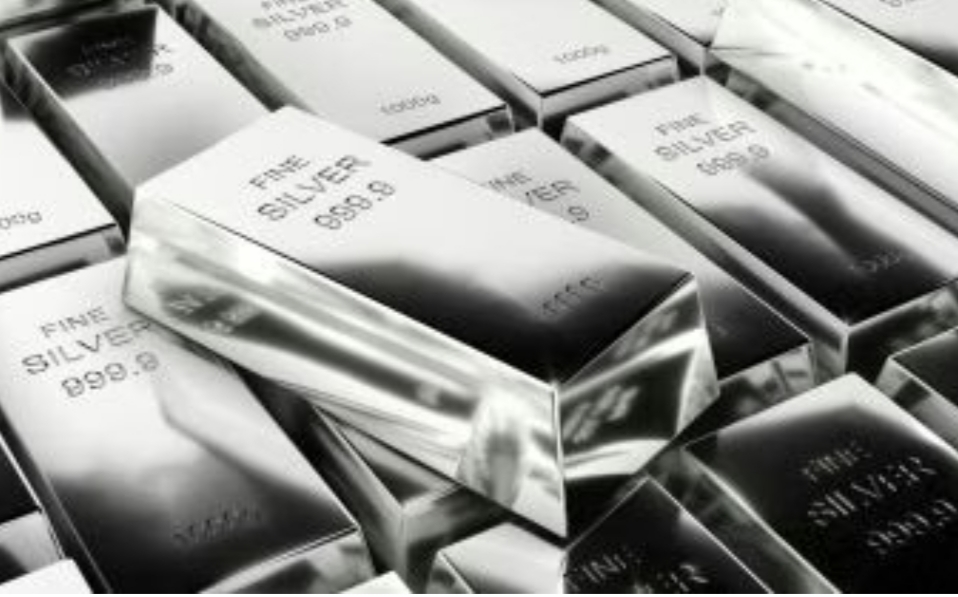
While gold continues its steady ascent amid global geopolitical and economic tensions, its often-overlooked cousin—silver—has emerged as the unexpected disruptor in India’s precious metals market. The sharp rally in silver prices has caught both investors and institutions off guard, prompting major mutual fund houses such as Kotak, SBI, and UTI to temporarily halt fresh lump-sum investments in their Silver ETF Fund of Funds (FoFs).
Silver ETFs, which are traded on stock exchanges, offer investors a way to gain exposure to silver without the logistical challenges of physical ownership. These ETFs are typically backed by high-purity (99.9%) physical silver bars stored in secure vaults. Each unit represents fractional ownership of the metal. However, this model has come under pressure due to an acute shortage of physical silver in India. Combined with rising investor demand, this has pushed domestic silver prices to a staggering 10–12 percent premium over international benchmarks—far above the typical 0.5 percent.
India’s silver prices are now among the highest globally. One key reason is a government-imposed restriction on silver jewellery imports just ahead of the festive season. In September, the Indian government moved to curb imports of plain silver jewellery in a bid to protect domestic manufacturers. A directive from the Directorate General of Foreign Trade (DGFT) cited a surge in silver jewellery imports—particularly from Thailand—as a threat to local producers and employment in India’s labour-intensive jewellery sector, which employs over 43 lakh people.
While the move aimed to support domestic industry, it also contributed to a supply crunch at a time of peak demand, further inflating prices. The unintended consequence of policy intervention—meant to safeguard jobs—has, in part, deepened the physical silver shortage and pushed prices beyond reach for many retail buyers.
Will the situation improve if trade restrictions are lifted? Unlikely, say analysts. They point out that silver’s long-term fundamentals remain strong, driven by sustained industrial demand—especially from the green energy and electronics sectors—and chronic global supply constraints. And the ETFs also have to buy to fulfil their demands. At the same time, they caution retail investors against making large lump-sum investments at current elevated levels, telling them to allocate 10 to 15 percent of portfolios to gold and silver in a gradual, staggered manner.
Unlike gold, whose value is largely aesthetic and symbolic, silver plays a crucial industrial role. It is an important material in solar panels, electric vehicles, batteries, circuit boards, and medical devices. India and China remain the world’s largest silver consumers, driven by both industrial needs and cultural preferences. Thus, silver prices can be sensitive to many global factors from manufacturing cycles and interest rates to shifts in renewable energy policies. When industrial demand rises during economic booms, silver prices tend to spike.
The current silver squeeze highlights not only market dynamics but also the broader implications of reactive policy-making.