The most recent high-profile case involved the sudden cancellation of Indian women’s cricket team vice-captain Smriti Mandhana’s wedding to Indore-based music composer Palash Muchhal. Their highly anticipated nuptials were called off just days before the ceremony, leaving fans and media alike stunned. Such last-minute cancellations, once a rarity in Indian culture, are now becoming more frequent. While the reasons for each cancellation may vary, one common thread that has emerged is the profound impact of social media on personal relationships and public life. In this article, we will explore why weddings are being cancelled in India and abroad, and how social media, shifting societal norms, and evolving personal aspirations are contributing to this growing trend.
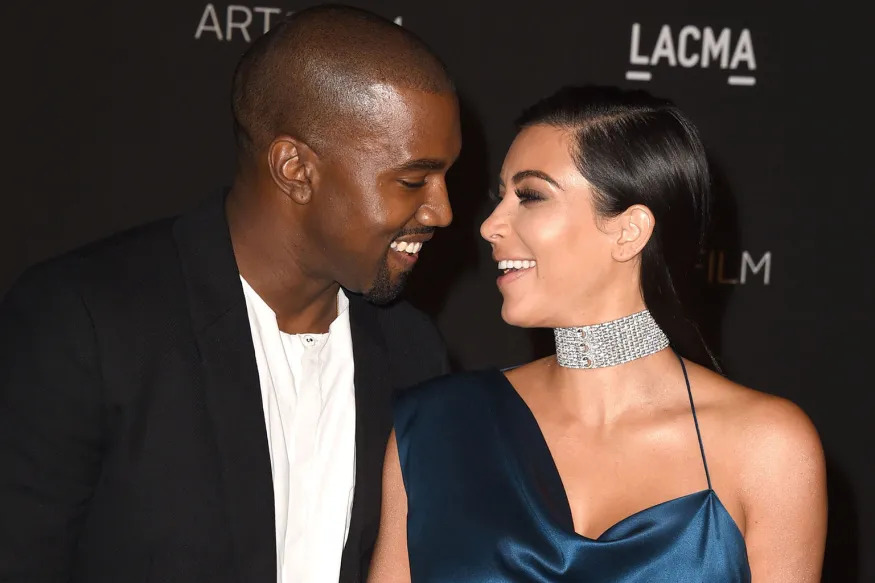
The divorce of Kim Kardashian and Kanye West is one of the most publicized examples of how social media can affect a celebrity marriage. Throughout their relationship, Kanye often made headlines with his controversial tweets, some of which included very personal and intimate details about their marriage. His outbursts on Twitter, including attacks on Kim’s family and her relationships, added public pressure on the couple and may have contributed to their separation. The constant media attention, fuelled by social media, seemed to exacerbate the couple’s issues, with their every move being dissected and discussed by millions.
The divorce between Amber Heard and Johnny Depp was filled with public allegations and counter-allegations of abuse. Social media played a huge role in the dissemination of their very personal issues, as both sides used it to defend their positions or to attack the other. The #MeToo movement was brought into the fray, with both sides leveraging public sentiment and social media platforms to garner support. The trial and media coverage, fueled by social media platforms, likely exacerbated the toxicity of the relationship and contributed to the breakdown of their marriage.
Justin Bieber and Hailey Baldwin’s relationship has been publicized largely through social media. The couple faced backlash after their quick engagement and marriage, with many speculating about the true nature of their relationship. Social media users were quick to point out every flaw, every moment of perceived drama, which undoubtedly added pressure to their union. While the couple has since defended their relationship on platforms like Instagram, the intense public scrutiny and online rumors certainly put stress on their bond.
Similarly, the divorce of Brad Pitt and Jennifer Aniston was partially influenced by the intense media scrutiny they faced as a couple. In the 2000s, they were considered one of Hollywood’s most “perfect” couples, and the media spotlight on their every move added significant stress.
Role of Social Media
Social media has revolutionized the way people interact, share their lives, and form relationships. Platforms like Instagram, Facebook, Twitter, and now more prominently, TikTok, have created a new type of public intimacy. While these platforms have facilitated communication, they have also introduced new pressures, particularly in the realm of relationships.
For many individuals, the pressure to present a perfect life online has created unrealistic expectations for both romantic relationships and weddings. The wedding day, traditionally one of the most important events in an individual’s life, has become a spectacle—an opportunity to showcase wealth, beauty, and perfection. Social media encourages the sharing of every detail, from pre-wedding rituals to honeymoon photos, and this public scrutiny can sometimes backfire.

In the case of Smriti Mandhana and Palash Muchhal, rumors circulated on social media about differences in opinion and compatibility. Once something is posted online, it can quickly spiral out of control. If the public reacts negatively, it can lead to stress and strain on the couple, sometimes even causing a breakup or a last-minute cancellation. The fear of public judgment and the pressure to conform to idealized standards of marriage and love are some of the reasons why weddings are being called off in today’s world.
Moreover, social media can also amplify personal insecurities, especially when comparing one’s life to the curated, picture-perfect lives of others. In a culture where matchmaking and family approval play crucial roles, exposure to online opinions can create anxiety, leading individuals to second-guess their decisions.
Changing Attitudes Toward Marriage and Expectations
Historically, marriage in India has been viewed as a sacred institution. Arranged marriages, where families take the lead in choosing a partner for their child, have long been the norm. Over time, however, the concept of “love marriages” has gained prominence. While arranged marriages still dominate, the rise of dating apps and greater social acceptance of romantic relationships has changed the way people approach marriage. Many young people now place more importance on personal choice, compatibility, and shared values over traditional considerations like caste, religion, or family background.
This shift in mindset has made it harder for some couples to follow through with weddings when they realize that they may not be compatible. Pressure from parents, extended families, and even society at large to “settle down” can force people to rush into marriages they are not ready for. These unrealistic expectations about how a wedding should proceed—based on societal pressures and the fear of judgment—can lead to a last-minute cancellation.
Additionally, the concept of marriage as a lifelong commitment is being reevaluated, especially by the younger generation. Many are questioning the idea of “forever” in the face of changing careers, goals, and personal ambitions. Young women, in particular, are increasingly pursuing careers, education, and travel, often prioritizing these aspirations over traditional family structures. The concept of settling down may feel more like a restriction than a natural progression, leading some individuals to rethink their decision when faced with the societal pressure to marry.
The Influence of Reality TV and Celebrity Culture
Indian society is no stranger to the influence of celebrity culture, and weddings have become a key part of that spectacle. From Bollywood stars to cricket icons, weddings are often covered in the media, giving rise to an idealized version of matrimonial bliss. These celebrity weddings are highly publicized, and the “fairytale” narrative is projected onto ordinary people, creating pressure to meet these high expectations.
However, reality shows and celebrity scandals have exposed the darker side of these highly publicized weddings. Many celebrity marriages, including some highly anticipated ones, have ended in divorce or separation. The notion of a “perfect wedding” is often shattered by the reality of personal differences, incompatible lifestyles, or external pressures.
For some, the very idea of a wedding, especially when surrounded by media attention, becomes an overwhelming ordeal. Public figures like Smriti Mandhana and Palash Muchhal, whose personal lives are under constant media scrutiny, might feel that the pressures of their high-profile wedding are too much to handle. This can lead to decisions to call off the wedding, especially if one or both parties feel that they are not ready to enter into such a public commitment.
Financial Pressures
The cost of weddings in India has skyrocketed in recent years, and many couples find themselves struggling to meet the financial demands of hosting a lavish wedding. The rise of destination weddings, which often involve expensive travel, venues, and elaborate ceremonies, has added another layer of pressure on couples and families. Some couples, overwhelmed by the financial strain, may opt to call off the wedding altogether or delay it until they are in a more financially stable position.
This financial pressure, combined with the increasing expectations of perfection from family members, friends, and social media followers, can make it difficult for couples to proceed with a wedding that they may not be emotionally or financially prepared for. In many cases, they may decide to cancel the wedding before it happens to avoid further embarrassment or to preserve their financial security.
Divorce Culture
India, traditionally a country with a strong emphasis on marriage as a lifelong bond, is witnessing a rise in the number of divorces, particularly in urban areas. This shift in attitudes is another factor contributing to the cancellation of weddings. With divorce rates rising, many individuals are now more cautious about entering into marriage, especially if they are unsure about the long-term compatibility of their partner.
The fear of divorce and the social stigma attached to it may prompt individuals to call off their wedding before it even begins. This is especially true for those who have been previously married or who have experienced failed relationships. In a society where failure is often viewed negatively, avoiding the potential for a failed marriage by calling off the wedding beforehand is seen by some as a safer option.
Cultural Expectations
Family expectations remain one of the most powerful forces in Indian marriages. In many cases, families take on the responsibility of organizing and financing the wedding, leading to the imposition of cultural norms, expectations, and sometimes even forced decisions. While many individuals are choosing to marry for love, the influence of family, societal approval, and the desire to meet traditional standards can sometimes overwhelm the couple, leading to a last-minute cancellation.
This phenomenon is often seen in situations where one party feels coerced into a marriage due to familial pressure, only to back out when the weight of those expectations becomes too much to bear. In such cases, the cancellation may be seen as an act of defiance or self-preservation.
Complex Blend
Weddings in India are no longer just an affair of love and commitment; they have become a complex blend of societal pressures, personal aspirations, family dynamics, and external influences like social media and celebrity culture. The reasons for wedding cancellations are multifaceted, ranging from the impact of social media scrutiny and changing personal values to financial pressures and the fear of a failed marriage.
As India continues to evolve socially and culturally, the idea of marriage is also transforming. More couples are opting for authenticity, compatibility, and personal freedom over traditional expectations and public performances. While wedding cancellations may be seen as a break from tradition, they are also a reflection of the changing priorities of a new generation—one that values personal well-being over societal approval.
Ultimately, the cancellation of a wedding is not just a personal decision, but a broader reflection of the challenges and complexities of modern relationships in India.