At the 80th United Nations General Assembly, France, Luxembourg, Malta, Monaco, Andorra and Belgium officially recognised the State of Palestine, joining Canada, Australia, Portugal and the United Kingdom.
London’s announcement, delivered on September 21, 2025, marked a historic shift more than a century after the Balfour Declaration and 77 years after Israel’s creation in the former British Mandate of Palestine.
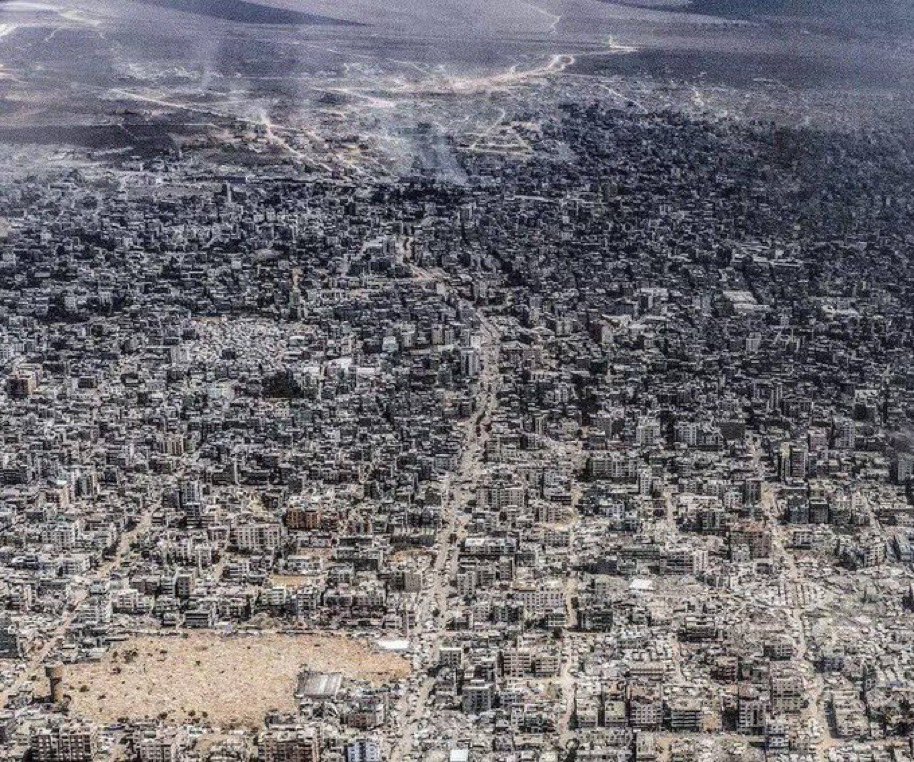
UK Prime Minister Keir Starmer said the decision was intended to “keep alive the possibility of peace and of a two-state solution” amid Israel’s intensifying settlement expansion in the occupied West Bank and its ongoing military campaign in Gaza, which has killed more than 65,000 Palestinians.
The endorsements from Western powers traditionally aligned with Israel highlight its mounting diplomatic isolation. In total, 157 of the UN’s 193 member states—along with the Holy See, which holds observer status—now recognise Palestine, representing about 81 percent of the global community.
While recognition does not immediately alter realities on the ground, it strengthens Palestine’s international legitimacy, expands its ability to pursue accountability for Israel’s occupation and increases pressure on other Western governments to commit to a two-state solution.
Martin Griffiths, director of Mediation Group International, described recognition as only “the entry point.” He urged states such as the UK to follow through by ensuring humanitarian access, halting arms transfers to Israel and easing restrictions on Gaza. He also pointed to the need for reforms within the Palestinian Authority, with initiatives already under discussion by France, Saudi Arabia, Norway and Spain.
“This moment brings hope,” Griffiths said, “but it doesn’t necessarily secure the future.”
Including Mexico, eleven states have formally recognised Palestine in 2025 alone—twenty since the outbreak of Israel’s war on Gaza in October 2023—underscoring the growing momentum behind Palestinian statehood.