Widely regarded as a crusader against corruption, Karki earned respect during her tenure on the bench for landmark rulings
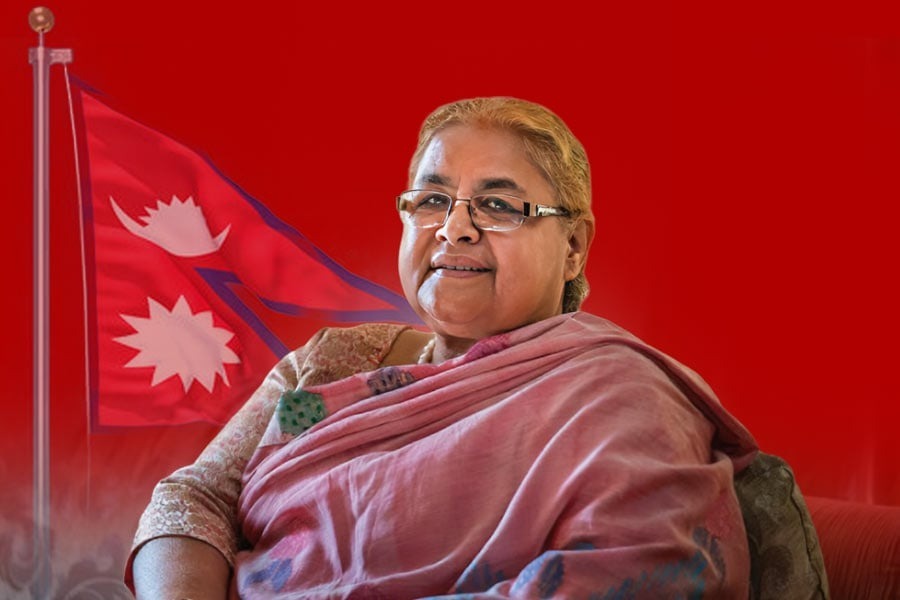
Nepal’s Gen-Z protesters reportedly backed former Chief Justice Sushila Karki as interim leader for negotiations with the authorities following a marathon virtual meeting where participants agreed that no young activist with links to political parties should be involved in leadership talks.
The Nepalese Army is currently in charge of the strife-torn Himalayan nation.
Karki, known for her neutrality and clean record, was chosen for her credibility and rulings in her capacity as a judge. She is the former Chief Justice of the Supreme Court of Nepal and the only woman to have held the post.
“Karki became Chief Justice in July 2016. In April 2017, an impeachment motion was submitted in the Parliament against Karki, by Maoist Centre and Nepali Congress, however, it was later withdrawn after public pressure and an interim order by the Supreme Court ordering the Parliament not to proceed with the motion,” according to reports
The country has been thrown into political turmoil after Prime Minister KP Sharma Oli resigned on Tuesday amid massive anti-corruption demonstrations, triggered in part by a government ban on social media. With protesters—mostly from “Generation Z,” born between 1997 and 2012—lacking a central figure, officials struggled to identify whom to engage with.
By turning to someone older and respected, the youth movement signaled intent to find a stabilizing figure. According to reports, participants endorsed Karki to guide the nation while the military maintains order and most civilian leaders remain in hiding.
The protests, which erupted over corruption, nepotism, and restrictions on free expression, have already escalated into violent clashes.
What next
Widely regarded as a crusader against corruption, Karki earned respect during her tenure on the bench for landmark rulings—including a decision granting Nepali women the right to pass citizenship to their children which was previously reserved for men.
Legal experts had suggested a transitional authority acceptable to protesters and other names doing the rounds included Balendra Shah, the 35-year-old rapper-turned-mayor of Kathmandu, popular among the youth for his city clean-up initiatives, and Rabi Lamichhane, a former television host who launched the Rastriya Swatantra Party in 2022, according to local media reports.