Led largely by Generation Z, the current protests seem to reflect anger and frustration over simmering issues, including corruption. A complex mix—youth activism, alleged systemic corruption and political instability—seemed to be driving the protests, say analysts.
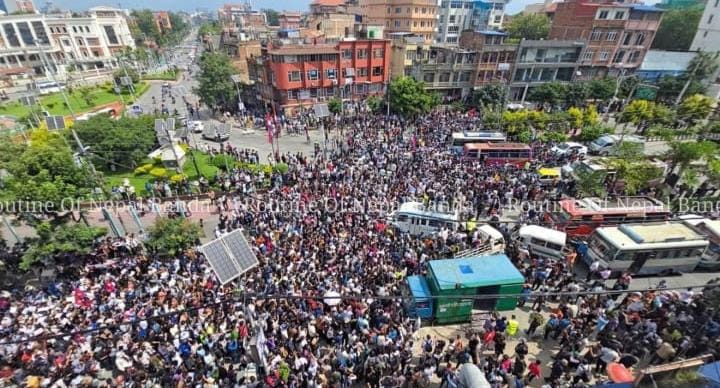
Strange as it may sound but the immediate trigger for the violent and deadly protests in Nepal was a social media ban.
On September 4, the Nepal government instituted a sweeping ban on 24–26 major social media and messaging platforms like Facebook, Instagram, WhatsApp, X (formerly Twitter), YouTube, Reddit, and LinkedIn. The official reason was that these platforms had failed to register with the authorities, designate a local liaison office and comply with new regulatory requirements aimed at controlling fake accounts and online abuse. Some platforms which complied were spared from the ban.
Now this sudden shutdown angered youth and also disrupted businesses, tourism, communication, education and common people. Entrepreneurs, digital creators and those with families with relatives abroad were all affected.
Outraged, Generation Z, as it is called, organised mass protests, calling the movement— “The Final Revolution–We Are Punching Up.”. Young people took to the streets in capital Kathmandu on Monday, protesting against the government’s decision, resulting in clashes with cops which left 16 protesters dead and over 42 injured, according to local reports.
Underlying, simmering issues
Demonstrations in Kathmandu initially focused on restoring access to online platforms but soon the protests grew with anti-corruption and anti-nepotism sentiments with slogans like “shut down corruption, not social media” and “youths against corruption,” highlighting simmering public anger in the country.
According to social scientists, the current protests seemed to be manifestations of deeper frustrations on issues simmering in the society—like political instability and frequent leadership changes hampering development and stability. Many young people felt that political leaders benefit only themselves or their families, they say.
Nepal has been witnessing unrest for a while now.
Earlier, mass protests in March called for the restoration of the monarchy with supporters demanding the return of King Gyanendra Shah, thus highlighting public disillusionment with the current political system
In April 2025, public school teachers held nationwide strikes against proposed educational reforms which they said were “threatening job security and ignoring agreements.”
“Led largely by Generation Z, the current protests seem to reflect anger and frustration over simmering issues, including corruption. A complex mix—youth activism, alleged systematic corruption and political instability—seemed to be driving them. The immediate cause may have been the social media ban but there are underlying issues stemming from long-standing grievances in Nepal’s ongoing struggle over governance, rights and other issues,” say those aware of developments in India’s neighbouring country