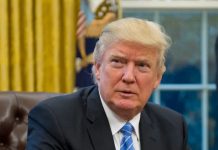
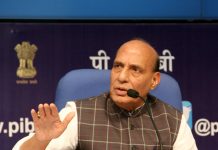
India is being careful not to tie its foreign policy too closely to one US leader or party. Instead, it is trying to maintain continuity in the India–US relationship, whether it is US President Donald Trump or anyone else in power. India will continue to frame its relationship as institutional and consistent, not tied to a single leader
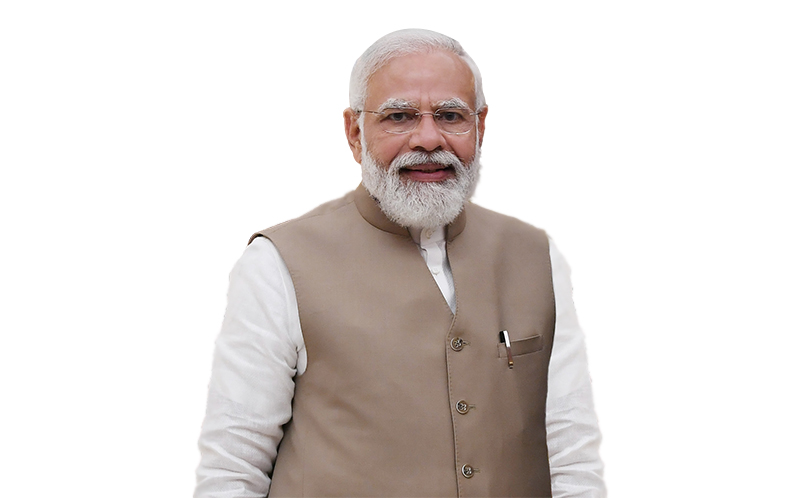
Prime Minister Narendra Modi will not address the United Nations General Assembly later this month in New York, the revised provisional list of speakers does not include his name. External Affairs Minister S Jaishankar’s name is mentioned in the list of speakers, and he is scheduled to speak during the General Debate on September 27.
The 80th session of the UN General Assembly will open on September 9. The high-level General Debate will run from September 23-29, with Brazil as the traditional first speaker of the session, followed by the US. US President Donald Trump will address world leaders from the UNGA podium on September 23—his first address to the UN session in his second term in the White House.
US President Donald Trump on Friday, September 5 (local time) affirmed the “special relationship” between India and the US.
India is being careful not to tie its foreign policy too closely to one US leader or party. Instead, it is trying to maintain continuity in the India–US relationship, whether it is US President Donald Trump or anyone else in power. India will continue to frame its relationship as institutional and consistent, not tied to a single leader, say analysts.
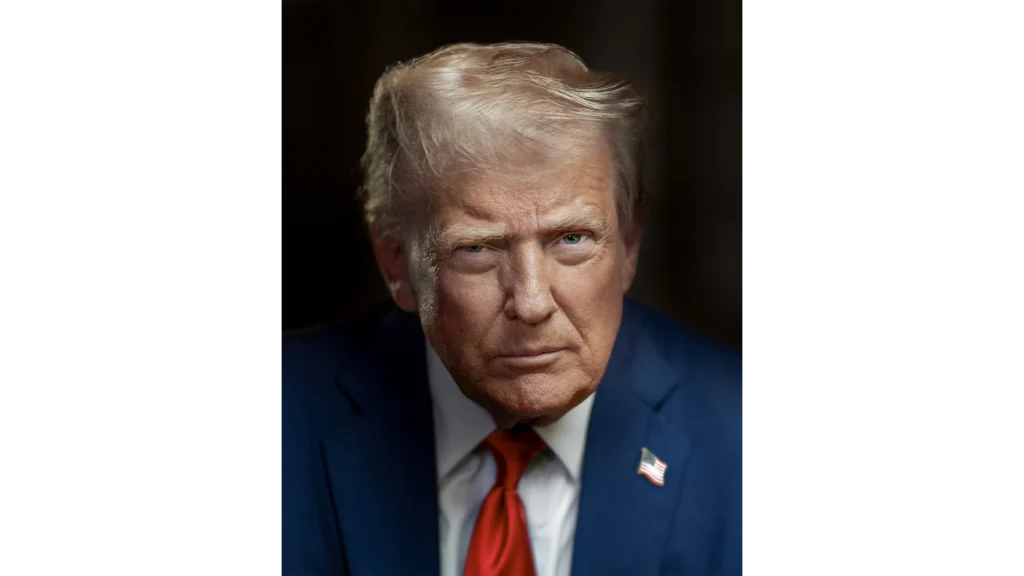
As India slammed White House Trade Advisor Peter Navarro for his recent remarks, calling his statements “inaccurate and misleading” without commenting on Trump’s latest barb centred around a new geopolitical shift—the India-Russia-China alignment—in the World, the US President called PM Modi a “great Prime Minister”
Trump said he will always be friends with them, “I just don’t like what he is doing at this particular moment. But India and the United States have a special relationship. There is nothing to worry about,” he was quoted as saying. The remarks follow a day after he said “looks like we’ve lost India and Russia to deepest, darkest, China. May they have a long and prosperous future together!” posting a photograph of PM Modi, Russian President Vladimir Putin and Chinese President Xi Jinping from the recent Shanghai Cooperation Organisation (SCO) Summit.
The MEA said it had “no comments to offer” on the post made by the US president.
However, responding to Trump advisor Peter Navarro, who had called the Russia-Ukraine conflict, “Modi’s war” and similar such statements, MEA spokesperson Randhir Jaiswal said India “obviously rejects” the “inaccurate and misleading statements.”
India-US relations important
MEA spokesperson Randhir Jaiswal called the relationship between India and the US “important” for the central government, saying both countries share a “comprehensive and global strategic partnership”. “We have seen the inaccurate and misleading statements made by Mr. Navarro, and obviously reject them.”
“As far as India-United States relations are concerned, we have said before that there is a comprehensive global strategic partnership between the two countries, and we want to work on this partnership and take it forward… This relationship between the United States and India is very important for us.
“Both our countries share a comprehensive global strategic partnership, which is anchored in our shared interests, democratic values, and robust people-to-people ties. This partnership has weathered several transitions and challenges. We remain focused on the substantive agenda that our two countries have committed to, and we hope that the relationship will continue to move forward based on mutual respect and shared interests,” he said.
What Navarro said
In his recent statements Navarro accused India of having extremely high trade barriers, dubbing it the “Maharaja of tariffs.” He also spoke on how India exports a lot to the US but doesn’t allow reciprocal access, hurting American businesses and workers. Then he labelled India an “oil laundromat for the Kremlin,” alleging that Indian refiners buy discounted Russian crude, process it, and resell the products abroad at premium prices—profiteering off the arrangement.
In a highly controversial and widely criticized comment, Navarro asserted: “Brahmins profiteering at the expense of the Indian people. We need that to stop.”
Navarro also argued that Indian purchases of discounted Russian oil were funding Russia’s war against Ukraine, calling it “Modi’s war.” America ends up paying more for Ukraine’s war efforts and buying Russian oil indirectly fuels the conflict, he claimed.