In 2022, Tehelka did a story exposing how Hurriyat agents send Kashmiri students to Pakistan for MBBS courses in exchange for money. Three years after Tehelka’s story, the Central Bureau of Investigation (CBI), Delhi Police and the National Investigation Agency (NIA) have written to hospitals and clinics across the National Capital Region seeking details of doctors who obtained their medical degrees from Pakistan, Bangladesh, the UAE and China, according to a news report in a national daily. The outreach comes amid the ongoing probe into the Pulwama-Faridabad terror module responsible for the 10 November suicide bombing near Delhi’s Red Fort, which killed several innocent people. Most members of the module are doctors, and investigators suspect that some of the people under scrutiny may have completed MBBS, MD or MS degrees in Pakistan, Bangladesh, the UAE or China. Officials said the exercise is aimed at mapping potential associates or sympathisers of the module’s members. As per the report, officers said agencies will question all doctors who completed their degrees from these four countries. Their criminal antecedents and financial transactions will be examined to rule out any association with the module. The officers, however, clarified that the exercise was preventive in nature and did not in any way cast aspersions on foreign-trained doctors.
It was not only Tehelka that raised the issue of Hurriyat agents sending Kashmiri youth to Pakistan for MBBS seats in return for money. In a chargesheet filed in the terror-funding case in 2018, the NIA said Pakistan was offering scholarships to Kashmiri students to prepare a generation inclined towards Pakistan. Most youth on student visas in the neighbouring country were relatives of militants. “During the course of investigation, it was ascertained that students who were proceeding to Pakistan on student visas were either relatives of ex-militants who had indulged in various anti-national activities and had migrated to Pakistan, or they were known to Hurriyat leaders,” it said. The agency also claimed that their visa applications were recommended to the Pakistan High Commission in New Delhi by various Hurriyat leaders.
“This shows a triangular nexus wherein the terrorists, the Hurriyat and the Pakistan establishment are the three verticals, and they are ostensibly patronising Kashmiri students in order to prepare a generation of doctors and technocrats in Kashmir who will have leanings towards Pakistan,” the NIA said in the chargesheet, published by various media platforms.
The NIA seized a document from the house of Hurriyat leader Nayeem Khan recommending a student for admission to a “standard medical college” in Pakistan because “her family has remained committed to the freedom struggle through thick and thin”. The Jammu and Kashmir Police, in August 2021, unearthed a major nexus wherein students from the Valley were sent to Pakistan to pursue MBBS degrees and the money taken from their parents was used to fund terror activities across the Union Territory. The funds raised by selling these MBBS seats were used to finance terror in the Valley. Evidence also revealed that this money was used to orchestrate incidents of stone-pelting, the Director-General of Jammu and Kashmir Police, Dilbagh Singh, said. Sources revealed that in 2020, the Counter Intelligence Wing, Kashmir, registered a case after receiving information from reliable sources that several unscrupulous persons, including some Hurriyat leaders, were hand in glove with certain educational consultancies and were selling Pakistan-based MBBS seats and other professional course seats.
For over two decades, the Pakistan government has been reserving a special quota for students of Jammu and Kashmir in all its professional courses, especially medical and engineering. Students from Jammu and Kashmir are broadly classified into two categories: (a) those applying for admission under foreign-student seats through Pakistan’s Ministry of Education, and (b) those applying under the scholarship programme. Students applying through foreign-student seats have to pay the normal fee that any foreign student pays. Under the scholarship programme, however, students are given 100 per cent scholarship, free accommodation and a per diem. Students whose parents or close relatives have been killed by security forces in Kashmir, or have suffered “at the hands of Indian forces”, are given preference for seats under the scholarship programme.
Every year, around 50 students go to Pakistan under the scholarship programme for MBBS alone, while a similar number secure admission in other courses. While there is a cut-off percentage for admission, recommendations for students under the scholarship programme are made by Hurriyat leaders. Over the years, it has been alleged that both factions of the Hurriyat Conference have issued recommendation letters to students seeking admission to professional courses in Pakistan. There have also been allegations that certain Hurriyat leaders demanded money from students before issuing recommendation letters, and that the basic criteria set by the Pakistan government were being flouted.
There were even allegations that wards of some police officers also managed to secure recommendation letters from separatist leaders. As Kashmir has very few professional colleges, students would move abroad to study medicine—first to Russia, and now to Bangladesh and Pakistan. While courses in Pakistan are relatively cheaper and of better quality, once Hurriyat recommendation letters made them eligible for 100 per cent free education under the scholarship programme, the number of students heading to Pakistan increased.
The Hurriyat, on the other hand, has always denied that its leaders were involved in “selling” admissions in Pakistani medical colleges to finance terror in Kashmir. The amalgam said it wished to put on record that “this is completely unfounded, and can be verified by those students or parents whom we have recommended, many among them being from economically weaker sections”.
After the Delhi Red Fort blast—where most members of the terror module are doctors—the investigators’ focus has shifted to doctors who obtained their medical degrees from Pakistan. But Tehelka, once again, as in 2022, draws attention to those who secured MBBS seats in Pakistan on the recommendations of Hurriyat leaders. Tehelka’s investigation, carried out after the abrogation of Article 370, found agents and non-profits linked to the Hurriyat selling medical seats purportedly reserved for Kashmiri students in Pakistani colleges. Tehelka discovered what appears to be a well-oiled system executing test-cheating and transnational education fraud with Pakistani colleges, and separatists and their aides on this side of the border in cohoots. In the nation’s and public interest, Tehelka reproduces this investigation with some new characters appearing in the report.
“I had an orphan girl from a militant family studying in my NGO. She was sent to Pakistan for an MBBS degree on the recommendation of the Hurriyat,” said Zahoor Ahmad Tak, a senior social activist from Kashmir.
“I went to Pakistan and my visa was arranged on the recommendation of a Hurriyat leader. The Pakistan embassy in Delhi took no time in giving me the visa after receiving a recommendation letter from a Hurriyat leader. Before that, they had refused to give me a visa,” said Tak.
“Hurriyat has taken quota from Pakistan for Kashmiri militants’ children, whom they send for medicine and other technical degrees on their recommendation letters. They take money for that. So far, they have sent many Kashmiris to Pakistan for studies, which is provided free of cost under the scholarship scheme,” added Tak.
“When I went to Pakistan, I also asked Pakistani officials to give me some quota as well, as I run an NGO for orphans in Kashmir. The talks reached an advanced stage but got stuck at the end,” said Tak.
“Pakistan’s capital Islamabad is built like a European city. I loved Islamabad. Delhi as a capital is nothing as compared to Islamabad,” Tak told Tehelka’s reporter.
“If someone known to you is interested in going to Pakistan, I can help him get a Pakistani visa on the recommendation of Hurriyat leaders,” added Tak.
Zahoor Ahmad Tak, a senior Kashmiri social activist, who had substantial foreign funding from Europe for his NGO and good relations within the Hurriyat, came to meet Tehelka’s reporter in Delhi after the abrogation of Article 370. Zahoor came to Delhi because his NGO’s Foreign Contribution Regulation Act (FCRA) licence had been cancelled by the Ministry of Home Affairs long ago after allegations that one of his trust directors had terror links. Till date, his FCRA licence has not been reinstated. Zahoor admitted to Tehelka’s reporter that he would speak to Hurriyat leaders to send our fictitious Kashmiri students to Pakistan for enrolment in MBBS course under the scholarship scheme on Hurriyat recommendations. According to Tak, the Hurriyat has ensured quota for Kashmiri militants’ children in Pakistan colleges, whom they send for medicine and other professional degrees on their recommendation letters. They take money for this. So far, they have sent many Kashmiris to Pakistan for pursuing medical education, which they receive free of cost under the scholarship scheme, Tak added.
In the following exchange, Zahoor lays bare how MBBS seats in Pakistan are handled through personal networks and Hurriyat-linked channels. He describes a system where scholarships meant for children of slain militants are quietly expanded through influence and favours.
Reporter- Wo MBBS wala?
Zahoor- MBBS ka unhone kaha hai, ye session khatam ho gaya hai, naya session shuru hoga to hum aapko bata denge.
Reporter- Ye kis se baat hui aapki?
Zahoor- Ye Hurriyat ka ek group hai.. wo XXXXX wala.
Reporter- Inka tareeka kya hai MBBS ka?
Zahoor- Inke apne log hain wahan.
Reporter- Pakistan mein?
Zahoor- Haan.
Reporter- To usmein paise to nahi lagte, MBBS mein?
Zahoor-Wo to paise nahi le rahe hain, lekin ye paisa lete hain.
Reporter- Kaun? Hurriyat wale?
Zahoor- Unhone inko wahan kota diya hua hai, isliye inhone wahan apne rishtedaar hain, unko wahan bhej diya hai.
Reporter- Hurriyat walon ne ya Kashmir ke logon ne?
Zahoor- Kashmir ke logon ne bhi aur Hurriyat walon ne bhi.
Reporter- Kafi log Pakistan chale gayen hain?
Zahoor- Bahut chale gayen hain.
Reporter- MBBS karne ya waise hi?
Zahoor- Nahi, nahi.. MBBS karne. Ab usmein unhone ye rakha tha condition ke ye baccha jo hai ye kisi aise militant ka bacha hona chahiye jo shaeed ho gaya hai.
Reporter- Accha ye condition hai Pakistan ki?
Zahoor- Haan lekin uske saath apna bhi kota wahan paida kar diya Hurriyat walon ne, wahan mang kar unse le liya. Ek, do, teen, chaar…kuch na kuch bhej detey hain, ab usko bhi batate hain agarchey shaheed ka nahi hai, lekin Hurriyat mein hai, pareshan hai, jail mein hai, ya pakad jagad mein hai.
[What emerges is a pattern of quotas being reshaped, stretched, and reassigned—often for money—while many aspirants continue to be sent across the border for medical degrees. This makes it clear that what was meant to be a welfare quota has turned into a negotiable privilege, influenced by both need and influence.]
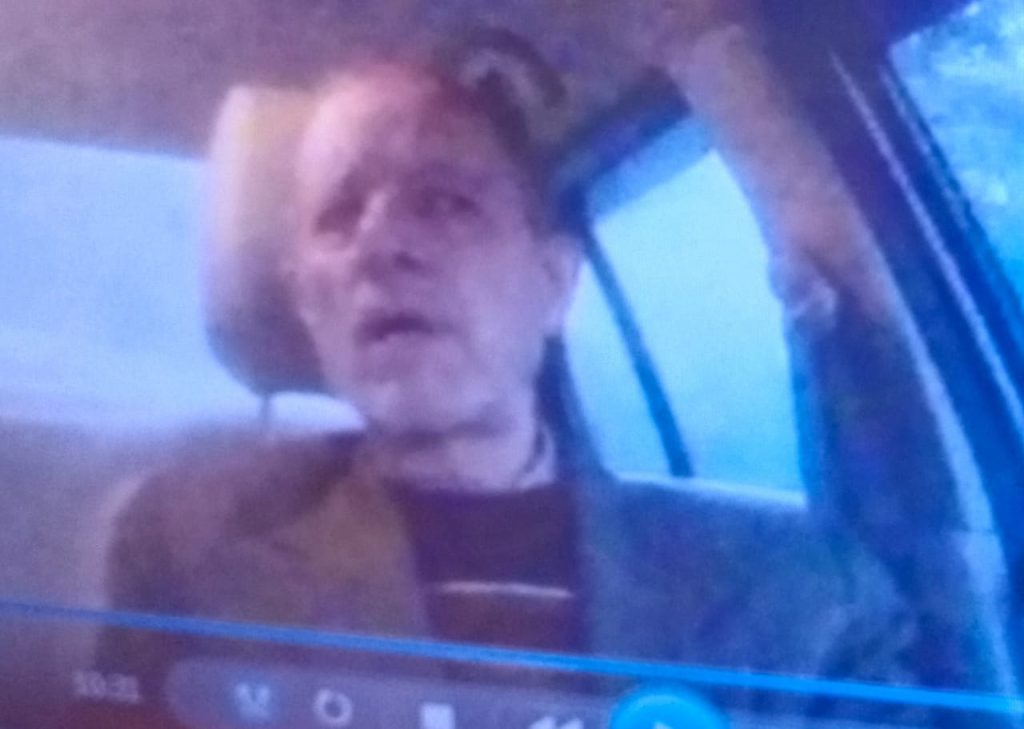
Zahoor admitted to Tehelka that an orphan girl, daughter of a militant, studying in his NGO had been sent to Pakistan for an MBBS degree on the recommendation of the Hurriyat. He stresses that the only role his organisation played was educating her, while the admission itself was facilitated independently.
Reporer- To aapke XXXX trust ki ek ladki jisko aapne MBBS karwaya Pakistan mein, wo kis tareeke se karwaya?
Zahoor- Wo to militant ki bacchi thi, hamari nahi thi, wo militant ki bacchi thi.
Reporter-Accha, aapke trust ki thi?
Zahoor- Albatta wo padh rahi thi, hamara usmein koi role nahi tha, role tha sirf itna ki hamne usko padhaya likhaya, kyonki wo militant ki bacchi thi to us ke gharwalon ne wahan rabta kiya tha.
Reporter- Pakistan mein?
Zahoor- Pakistan mein. To is tarah se unka ho gaya.
[What surfaces from the above exchange is a picture of parallel channels operating beyond formal oversight as Zahoor underscores how personal networks, not institutions, drive access to these seats.]
Now Zahoor Ahmad Tak made another revelation. He said he had travelled to Pakistan, and his visa was arranged on the recommendation of a Hurriyat leader. According to him, the Pakistan Embassy in Delhi issued the visa without delay after receiving the leader’s recommendation letter; before that, they had refused to grant it.
Reporter- Aapka kya procedure hua tha sir, Pakistan ke visa ka?
Zahoor- Mein Embassy gaya tha, mein actually doosre kaam ke liye aaya tha, achanak hame pata chala ki wahan hamari ghar wali ke rishtedaar hain.
Reporter- Pakistan mein?
Zahoor- Pakistan mein. To unhone phone kiya tha ghar ki hamari is tarah se shadi ho rahi hai, aap please tashreef laiye. Ghar wali ne phone kiya ke wo phone kar rahe hain to hame jana chahiye, nahi jayenge to bura lagega unko. Phir mere sath doosre sahib bhi they, hum gaye Pakistan Embassy mein, unhone saaf kaha hum is tarah se nahi denge, koi recommendation honi chahiye. To maine phir phone kiya XXXX sahib ko, maine kaha is tarah se masla hai, phir unhone XXXX khan se baat ki to unhone fax ki ek letter yahan Delhi mein, to wo fax letter lekar hum wahan gaye to hua.
Reporter- Pak Embassy, Delhi, mein ?
Zahoor- Haan.
Reporter- Us mein kitna time laga?
Zahoor- Ek din mein ho gaya.
Reporter- To ye Hurriyat ke letter head par recommend kiya hoga XXXX khan ne?
Zahoor- Haan.
Zahoor- Ye unhone ek special provision rakha hai logon ki help karne ke liye, Hurriyat walon ki wahan par recognition ke liye, warna wo kya karte hain, wo kuch nahi kar saktey.
[This shows how access relied less on procedure and more on influence. It seems that a Hurriyat-backed recommendation could unlock what formal rules initially denied.]
Zahoor told us that when he visited Pakistan, he also asked officials there to grant him a quota, given that he runs an NGO for orphans in Kashmir. The talks had reached an advanced stage but got stuck at the final step, he rued.
Reporter- To is type ka kota to aap bhi le sakte hain Pakistan se apne liye, XXXX sahib bata rahe they, koshish ki thi aapne?
Zahoor- Hamne ki thi koshish aur unhone maana bhi tha, magar tabhi Pakistan Government ne, pata nahi kis wajah se rukawat aa gayi, ki hum NGOs ko ye nahi karenge.
Reporter- Kya procedure tha kis tareeke se aapne shuru kiya tha ?
Zahoor- Hamne unko kha tha ki ye jaise Hurriyat wale quota le rahe hain.
Reporter- MBBS students ka?
Zahoor- Haan, to usmein hame bhi kuch quota dijiye, hamne kaha hum mang rahe hain un yateem bacche aur bacchiyon ke liye jinka koi nahi hai, wo agar le rahe hain militants ke bacche doosre bache, hamare pass militants ke bacche nahi hain, hamare pass sirf orphans hain, jinka na maa hai na baap hai na koi hai. Ab yahan se unka kota hai lekin kahin kahin se unko chalta hi nahi, agar aap ye karte to. Inhone kaha tha, Pakistan Embassy walon ne, ki hum unke saath baat karenge. Inhone kaha tha mujhse ki shayad wo consider karenge.
Reporter- Aap jab Pakistan gaye they tab baat hui thi Pakistan mein ?
Zahoor- Hamari wahan ho gayi thi baat ye jo secretary kisam ke aadmi the, unke saath hamari directly hui thi, aur ek jaan pehchan ka aadmi tha to usne hamara rapta unke saath kiya, to unhone kaha hum isko examine karenge, agar possible hua to karenge par. Wo proposal hamne unko likh kar ke diya ki hum kya chahte hain, hamara masla kya hai aur hum kis liye chah rahe hain.
[Here, Zahoor shows how even genuine welfare requests get caught between goodwill and bureaucratic barriers. It emerges that such quotas hinge more on discretion than clear criteria.]
We then offered Zahoor a fake deal, saying that a businessman known to him wanted to travel to Pakistan and needed a visa. Zahoor assured the reporter that he could try to secure a Pakistan visa for the fictitious businessman on the Hurriyat’s recommendation. In this exchange, Zahoor notes that Hurriyat leaders can endorse almost anyone, and that such endorsements are rarely rejected by Pakistan. What comes through is the ease with which influence can override formal restrictions.
Reporter- Iska sir thoda urgent basis par visa ka ?
Zahoor- Ye kin sahib ko jana hai ?
Reporter- Meri ek khown hain. Muslim hain yahi rehte hain Delhi mein, Jama Masjid mein.
Zahoor- Karte kya hai ?
Reporter- Businessman hain.
Zahoor- Accha theek hai businessman ko recommend karne mein koi problem nahi honi chaiye politician ho to unko problem ho jaati hai, businessmen ko nahi honi chaiye.
Reporter- Kyonki jo relation chal rahe hain aajkal aapko usmein mushkil hai
Zahoor- Bahut mushkil hai.
Reporter- Ye non kashmiri ko recommend kar denge Hurriyat ke log ?
Zahoor- Kisi ko bhi kar sakte hain inko kya hai.
Reporter- Shayad unko koi condition ho ki Kashmir ke hi bande ko karenge recommend ye sab
Zahoor-Mujhe wo to pata nahi hai magar mera aisa maanna hai ki wo jisko recommend kartey hain usko wo
nakartey nahi hain.
Reporter- Accha Pakistan nakartaa nahi hai ?
Zahoor- Nahi nakarta .
[Zahoor’s remarks reveal how access depends less on eligibility and more on whom one can approach. It emerges that a Hurriyat recommendation becomes a near-certain gateway.]
Zahoor then praised Pakistan’s capital, Islamabad, saying it was built like a European city. He said he loved Islamabad and that Delhi, as a capital, was nothing in comparison, Tak added.
Zahoor- Mein Islamabad gaya tha. Rawalpindi mein Europe bhi gaya hoon, Europe aur Ismabada mein dekhne layak hai, matlab uska aise banaya hua hai ki bahut hairan hota hai aadmi, Islamabad mein nhi aur Europe mein bhi.
Reporter- Itna accha hai unka capital?
Zahoor- Bahut umda.
Reporter- Delhi se better hai ?
Zahoor- Delhi to kuch bhi nahi hai.
[In this brief exchange, Zahoor speaks admiringly of Islamabad, comparing it with European cities he has visited. It emerges that such candid comparisons offer a glimpse into perceptions rarely voiced openly.]
When contacted recently about MBBS admissions in Pakistan, Zahoor told the Tehelka reporter that the present situation was not conducive for securing admission there.
The Tehelka reporter also met Hurriyat agent Sajjad Mir from Kashmir after the abrogation of Article 370. Sajjad travelled to Delhi to offer Pakistani medical slots to Tehelka’s undercover reporters probing the suspected racket. Immediately after meeting them in a five-star hotel in Delhi, Sajjad Mir outlined his admission plan to the reporterinvestigative. In this exchange, the agent lays out how admissions to Pakistani medical colleges are arranged with ease—provided the marks are high and the money is ready. He calmly quotes the rate, explains the paperwork, and even assures that selection is guaranteed, exam or no exam.
Sajjad Mir- Abhi chaar admission bhejo aap.
Reporter…. Chaar ladke
Sajjad Mir ….. Percent eighty plus honey chahiye.
Reporter….. Twelth mein …eighty plus?
Sajjad Mir …. Haan…Neet qualify hona chahiye.
Reporter…. Neet qualify hoga Pakistan ke liye?
Sajjad Mir ….. Pakistan ke liye.
Reporter…… Kharcha sir
Sajjad Mir ….. 15 -16 lakh.
Reporter…. Matlab ye apko dena padega ?.
Sajjad Mir ….. Ji
Reporter…. Matlab ek candidate ka 15 lakh rupay ?
Sajjad Mir …. Ek candidate ka….pichley saal ka yehi rate tha. Is saal ka to pata nahin, abhi to NEET abhi hua hai, ek do lakh extra hongey ya kam hongey ya barabar hongey, abhi pata nahin.
Reporter….. Procedure kya hai ek baar zara samjha dijiye ?.
Sajjad Mir …. Form bharna hai. Wo jo hamarey bandey hai wo online bhej dengey wahan par. Wahan se list niklega exam ke liye…jo select hoga usko exam dena hai. Waha par fail hongey paas hongey, unka admission hona hi hona hai. Wo certified hai agar exam main fail hoga to usko padney nahin dete wahan par…agar hamara banda fail bhi ho jayega tab bhi selection hai.
[Sajjad Mir’s candid detailing shows how these admissions run like a paid route rather than a merit process. It becomes clear that failure in the exam has no bearing on the final outcome. It hints at a system that rewards money more than merit.]
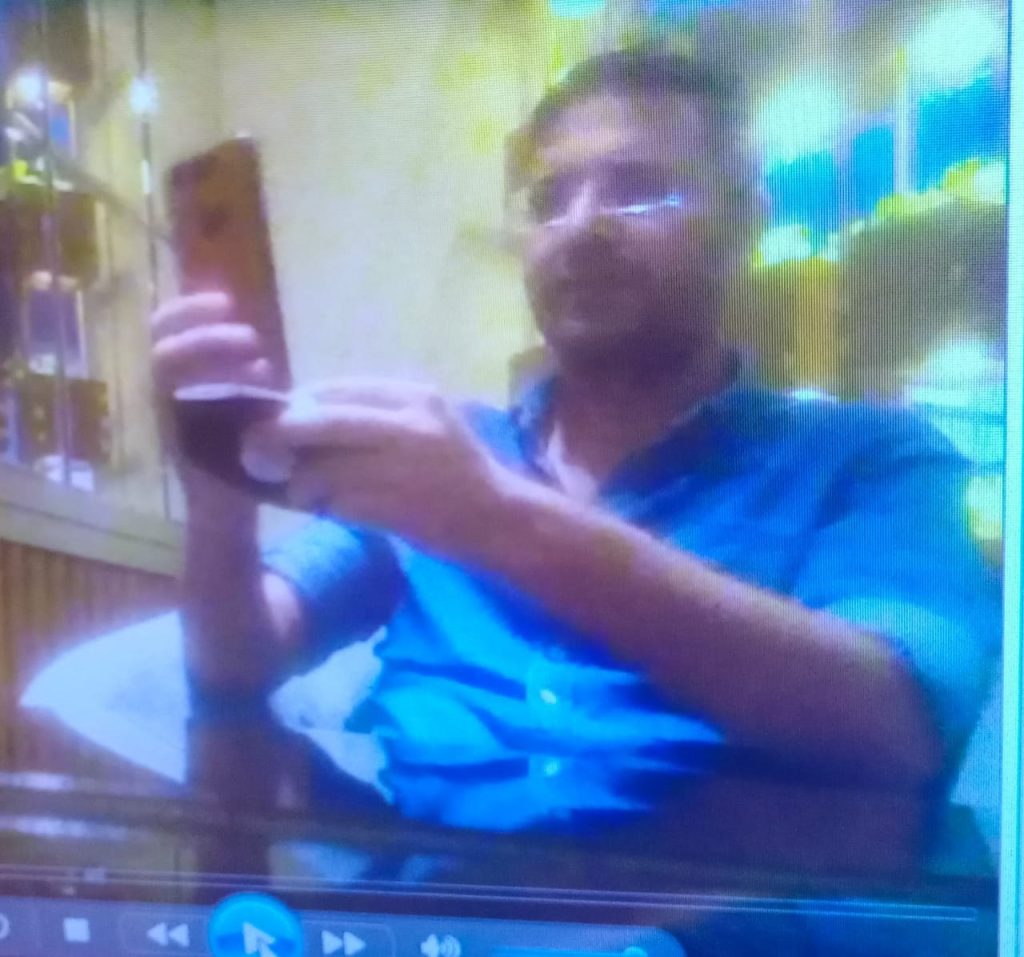
Sajjad Mir explained how Kashmiris were being given benefits in Pakistan for MBBS admissions. In this brief exchange, the agent spells out a special advantage offered to Kashmiris seeking MBBS seats in Pakistan. He notes that failure is never a concern for them and that their applications are treated differently.
Sajjad Mir – Wahan to wo karte hi nahin hai, kashmiriyon ka wo deal hai, unke liye fail-wail ka masla hi nahin hai.
Reporter… Pakistan mein?
Sajjad Mir …… Pakistan mein wo benefit dekhte hai kashmiriyon ka.
Reporter…. OK.
Sajjad Mir ….. Kashmiriyon ko ye benefits hai.
[What we learn here is that Kashmiris are given a clear edge in these admissions, with failure effectively ruled out. It reveals how preferential treatment replaces fair assessment,]
As the conversation progressed, Sajjad Mir told Tehelka’s investigative reporter about his mode of payment for securing admission in Pakistan. He lays out the financial arrangement, detailing how half the payment must be made even before the forms are filled. The discussion reveals the transactional nature of the entire exercise.
Reporter…. Paisa kab dena hai advance?
Sajjad Mir ….. 50 percent pehley dene hain jab form bharengey. 50 percent tab jab wahan se [Pakistan se] call letter ayengey uskey baad.
Reporter….. Matlab 16 lakh ka 8 lakh abhi de doon, remaining jab wahan…
Sajjad Mir …. Jab wahan se call letter ayengey jisko jaana ho us time…wo to confirm admission hota hai.
[What we see here is a system where admission is treated like a commodity, not a qualification. It shows how money, not merit, drives the process — a telling sign of how far the scheme has drifted from its stated purpose.]
Sajjad Mir further explained that the payments are taken entirely in cash, leaving no trail and giving the operation a cloak of deniability.
Reporter…. Aap ka kya system hai paisey leney ka?
Sajjad Mir …. Hum to cash hi lete hai.
Reporter…. Cash lete hai.. poora 100 percent?
Sajjad Mir ….. Haan.
[What we see here is a system designed to stay hidden, where cash keeps everything off the record. It underlines how secrecy isn’t an incidental feature but a built-in requirement of the racket.]
Sajjad Mir then revealed how Hurriyat members write recommendation letters for Kashmiri students seeking MBBS admission in Pakistan. He suggests that Hurriyat leaders do not directly issue letters for MBBS admissions in Pakistan. Instead, he points to an informal network, saying they have their own agents handling such work.
Reporter.. To kya Hurriyat ke log chitthi wagareh likhte hai?
Sajjad Mir …. Kaun?.
Reporter…. Hurriyat ke log admission wagareh ke liye Pakistan mein MBBS ke liye?
Sajjad Mir …. Unhoney apne agents rakhey hue hai.
[Clearly. there is a hint of an organised channel operating quietly behind the scenes with regard to the admission of Kashmiri students to MBBS course in Pakistan. What we learn is that the process is not overt but routed through intermediaries.]
When asked how Hurriyat leaders were issuing recommendation letters when most of their top leaders were in jail after the scrapping of Article 370, Sajjad Mir explained the Hurriyat system—how its second- and third-tier leaders operate in the absence of the top leadership. He suggests that Pakistan recognises anyone within this chain, making signatures or formal authority almost irrelevant.
Reporter….. Ye sab to jail main hain..ye chitthi kaisey likhengey Hurriyat wale?.
Sajjad Mir …. Inka system hota hai. Aap band ho aapke baad mein hoon. Ye group hota hai. Tanzeem ek bandey par nahi hoti hai.
Reporter….. Ji
Sajjad Mir … Jo tanzeem hoti hai na wahan na wahan to 10-15 tanzeem chalti hai, bees-bees log kaam karte hai. Aapke followers tees-tees hotey hai. Aap band ho jaogey, doosra hoga. Doosra band ho jayega to teesra hota hai. Jiske contact mein rehte hai, kaam to chalta rehta hai.
Reporter….. Unke signature?
Sajjad Mir …. Wo problem nahin hai. Unko pata hai na ye banda hamara hai.
Reporter…. Achcha Pakistan waley doosrey bandey ko jaantey hotey hai?
Sajjad Mir ….. Haan sarey bandey ko jaantey hain jo group main hota hai.
Reporter….. Matlab koi bhi chitthi likh de wo maan lengey.?
Sajjad Mir …. Haan.
[What we learn is that the system depends on continuity, not individuals. This exchange reveals how the network functions even when senior Hurriyat figures are behind bars. Sajjad Mir explains that the organisation works in layers, with multiple people ready to step in and keep the work moving.]
Sajjad Mir further explained that all their students would get admission in Pakistan’s government medical colleges, not private ones. Their five-year MBBS course would be free of cost under the scholarship programme, he added.
Sajjad Mir …. Wahan government medical college mein admission ho jayega.
Reporter…. Acchha government medical college mein?
Sajjad Mir …. Government medical college mein. Wahan private nahin hai.
Reporter….. Pakistan mein?
Sajjad Mir …. Pakistan mein, government medical college mein admission ho jayega, free of cost mein, wahan kuch nahin dena.
Reporter…. Arey Wah!
Sajjad Mir …. Wahan kuch nahin dena hai, 5 rupay tak nahin dena hai, wahan free hai. Agar wahan se scholarship ho gayi, wahan se hi paisey milenge. Usko kapdo ke liye bhi paisey wahin se aatey hai. Agar usko kapdey khareedney hongey na, to wahin se paisey ayengey, wo bhi paisey add hai usmein.
Reporter….. OK. Ye paanch saal ka course hai ya chaar saal ka?.
Sajjad Mir …. Paanch.
Reporter…. Paanchon saal free hai?
Sajjad Mir … Paanchon saal.
Reporter…. Koi fee nahin?
Sajjad Mir …. Kuch nahin.
Reporter…. Aisa kyon?
Sajjad Mir …. Kashmir ke liye rakha hai. Haalat-walat kharaab hai, wo hai.
[This exchange lays out the extraordinary incentives offered to Kashmiris for MBBS studies in Pakistan. Sajjad Mir claims that admissions are granted in government medical colleges, entirely free of cost. Such claims show how education is woven into a larger strategy that seeks to win influence through generosity.]
Now, Sajjad Mir confessed that the entire scheme was a money-minting business for people like him and the separatists. The exchange reveals a blunt admission: MBBS admissions linked to “shaheed quota” are treated as a money-making enterprise.
Reporter… Pakistan mein qota hai jo yahan shaheed hue hai?
Sajjad Mir …. Isliye business chal raha hai na, main kya bol raha hoon. Ye saara business hai. Dukaan kholkar rakha hai.
Reporter….. Ye bhi Hurriyat ke jariye jaate hai.
Sajjad Mir …. Hurriyat ke through.
Reporter…. Tabhi aap keh rahe hai ye bhi business hai.
Sajjad Mir … Haan, ye business hai. Main bol raha hoon. Ye saara business hi hai ye. Saara khel hai logon ko bewakoof bananey ke liye.
Reporter– They [candidates] go through Hurriyat, right ?
Sajjad Mir- Through the Hurriyat.
[Sajjad Mir repeatedly calls the whole exercise as a business, suggesting a system run like a shopfront, with Hurriyat channels acting as the gateway. It shows how easily purportedly noble causes are twisted into opportunities for profit.]
Sajjad Mir is now unavailable, and his number has also changed. After him, the Tehelka reporter met Shahida Ali, an associate of Sajjad. This meeting, too, took place after Article 370 was scrapped.
Sajjad Mir does not work alone. He appeared to have roped in some local nonprofits to secure Pakistani college slots. During the investigation, Tehelka met the founder of the XXXXX Trust, Shahida Ali (name changed). This 20-year-old nonprofit, which claims to work across sectors ranging from medical and education to widow care, functioned as a front for Sajjad Mir.
The meeting with Shahida Ali was held in a shopping mall in Noida. She said that, on Hurriyat recommendations, Kashmiris get admission to MBBS programmes in Pakistan, where their education is completely free.
The following brief exchange lays bare how MBBS seats in Pakistan are fetched through specific Hurriyat-linked letters. Shahida confirms that once this endorsement is secured, Kashmiri students not only get free admission but also receive money for basic expenses.
Reporter- Mein ye baat isliye pooch raha hoon, mujhe aapse kuch kaam hai, agar aap kar sake to, ye Hurriyat ke log ladko ko MBBS ke liye bhejtey hain?
Shahida- Haan, Pakistan.
Reporter-Aapko maloom hai. To hamare 4-5 ladke hain, Kashmir ke hain.
Shahida- XXXX sahib ka ek letter chahiye hoga unko, XXX saheb jab letter dete hain, tabhi hota hai.
Reporter- Wo admission shayad Pakistan mein free hota hai, padhai uski ?
Shahida- ji bilkul free hoti hai, unko shopping ke liye bhi paise milte hain.
Reporter- ji.
[We see how a single letter becomes the key to the medical education abroad. It shows how access hinges less on merit and more on internal networks.]
Shahida confessed that she had been associated with Kashmiri separatist Aasiya Andrabi, who is facing trial for allegedly waging war against India. She also claimed that she knows almost everyone in the Hurriyat.
Shahida …. Hurriyat mein sab humko jaantey hai.
Reporter….. Aap Hurriyat mein sabko jaanti hai?
Shahida …. Bahut acchhey se, Aasiya Andrabi.
Reporter…. Ji.
Shahida…. Quran Sharif padaya hai.
Reporter…. Aasiya Andrabi ne apko?
Shahida….. Haan, unko kahin bhi le jaana ho jaise doctor ke paas, to mein hi saath jaati thi.
Reporter….. Aasiya Andrabi ji ko? OK.
[Shahida explains her close familiarity with key Hurriyat leaders, especially Aasiya Andrabi. She recounts accompanying Andrabi on visits, including to doctors, highlighting the personal connections that facilitate their activities.]
Before meeting Tehelka’s reporters again at the same shopping mall in Noida, Shahida Ali had spoken with Hurriyat agent Sajjad Mir about the proposed admission of Kashmiri students in Pakistan. She came prepared with the plan.
Shahida…. Woo bole aap aa jao, documents lekar aa jao bas.
Reporter…. Admission ho jayega?
Shahida…. Ho jayega.
Reporter….. Pakistan mein, MBBS mein ?
Shahida…. Haan.
Reporter…. Kashmiri ladkon ka?
Shahida…. Bola usne.
Reporter…. Pakka hai ye?
Shahida….. Pakka.
Reporter…. Kyonki mein to unko jaanta nahin hoon. Aap hi jaanti hai.
Shahida…. Kyonki wo last time bhi mere paas aaye they, wahin se aaye they. Bharosey waley hai. Warna har kisi ko nahin boltey hain. Bola ki agar aisi koi baat hai, agar hai koi apna to bhej.
Reporter…. Aapse kaha tha yehi Sajjad Mir ne?
Shahida…. Haan.
Reporter…. Sajjad Mir naam bataya tha aapne?
Shahida…. Haan.
Reporter…. To pehley bhej chukey?
Shahida…. Haan. He [Sajjad Mir] would like to meet you with documents. That [admission] will be done.
Reporter…. MBBS in Pakistan?
Shahida…. Yes, he’s a reliable person. He came to meet me the last time as well. He doesn’t say anything otherwise. He told me to tell you to meet him.
[Shahida confirms that admissions for Kashmiri students in Pakistan can be smoothly arranged through trusted intermediaries like Sajjad Mir. It also becomes clear that trust within the network determines access to opportunities abroad.]
When asked about the money to be paid for MBBS admission in Pakistan, Shahida Ali told Tehelka’s reporter that it all depends on the candidate’s economic condition. “Whether the candidate is orphan or below the poverty line. That all has to be considered,” she said. Shahida Ali quoted Rs 10 lakh for a candidate from a well-to-do family.
Shahida…. Nahin, family kaisi hai us par depend karta hai. Matlab orphan hai to us par depend karta hai, below poverty line hai to us par depend karta hai, to wo dekhna padta hai.
Reporter….. Family achchi hai.
Shahida…. Gareeb hain?
Reporter….. Gareeb nahin hain, paisey waley hain.
Shahida…. Phir 10 lakh bhi dengey to dikkat kya hai.
Reporter….. 10 lakh?
Shahida….. Hain na…10 bhi dengey to dikkat kya hai. 40 lakh, meri hain na friend ki beti, usko to 40 lakh lagey they. Phir to 8-10 lakh mein unko problem nahin honi chahiye. Phir mein Sajjad bhai ka nuksaan kyon karwaon, unko bhi chahiye.
Reporter….. Lekin ye Pakistan ki baat ho rahi hai, MBBS ki?
Shahida…. Haan mein bhi wo hi baat kar rahi hoon.
[Shahida explains that financial capacity plays a role in facilitating MBBS admissions in Pakistan. It emerges that money can smoothen access, overshadowing merit or need.]
Shahida Ali is also unavailable now, and her number was continuously found to be switched off.
Meanwhile, the National Medical Commission (NMC) has advised medical aspirants not to travel to Pakistan for pursuing medical education. According to the NMC, Indians who intend to take admissions in MBBS/BDS or equivalent medical courses in any Pakistani medical college shall not be eligible to appear in the FMGE (the mandatory licensing test for Indians who complete MBBS abroad) or seek employment in India based on qualifications obtained in Pakistan—except for those who joined Pakistani institutions before December 2018. Students who started their studies before December 2018 or have received security clearance from the Ministry of Home Affairs (MHA) can appear for the FMGE exam. Those enrolling now will not be eligible for the FMGE and cannot practice in India based on a degree from Pakistan.
Doctor Mehru Shafi from Kashmir, who completed her MBBS from Lahore, Pakistan in 2024, told Tehelka that she received security clearance from the Indian Government, confirming she is not involved in any anti-India activities, allowing her to appear for the FMGE exam. According to Shafi, out of 300 students who did MBBS from Pakistan, 50 received security clearance to appear in the FMGE exam, while the remaining 250 are still awaiting clearance. She added that students going to Pakistan now for MBBS can practice only outside India, not within the country.
Shafi admitted to Tehelka that she has been working at India IVF Centre in Srinagar for the past year without clearing the FMGE exam, which is not allowed by the NMC, as her degree was obtained from a foreign country. She praised Pakistan’s medical education as being of high quality and noted that several Kashmiri students who studied medicine in Pakistan are now in government jobs in India. According to her, the situation was less complicated in the past than it is today.
Swaleha, another Kashmiri student who completed her MBBS from Rawalpindi College, Pakistan in 2021, told Tehelka that she has not yet been allowed to appear in the FMGE exam and is still awaiting security clearance. Meanwhile, her juniors who studied in Pakistan have received clearance. She revealed that she is currently working in a research wing in Delhi without clearing the FMGE, which violates NMC regulations.
Humaira Farooq, a Kashmiri student who studied MBBS at Fatima Jinnah Medical College, Lahore, in 2022 and did her internship at Sir Ganga Ram Hospital, Lahore, also faced delays in obtaining security clearance for the FMGE. She ultimately married and settled in the Maldives, where she has passed the local medical exam and is practicing medicine. Humaira stated that some of her juniors in India received FMGE clearance while she did not. She also admitted to working at Ahmad Hospital in Srinagar without FMGE certification, which is against the law, and praised the quality of medical education in Pakistan.
The Delhi Red Fort blast has opened a Pandora’s box, especially for doctors trained in Pakistan. Tehelka’s concern is not with those who followed normal procedures for MBBS admission in Pakistan and are now working in India. Rather, the investigation highlights children of militants from Kashmir who went to Pakistan on Hurriyat recommendations for MBBS degrees. A pressing question arises: are these students radicalised? The NIA chargesheet has also flagged this issue. Tehelka’s investigation further raises questions about how many children of militants were sent to Pakistan for MBBS on Hurriyat recommendations by agents like Zahoor Ahmad Tak, Sajjad Mir, and Shahida Ali, caught on Tehelka’s camera. These revelations underline the complex and troubling nexus between education, politics, and radical networks.