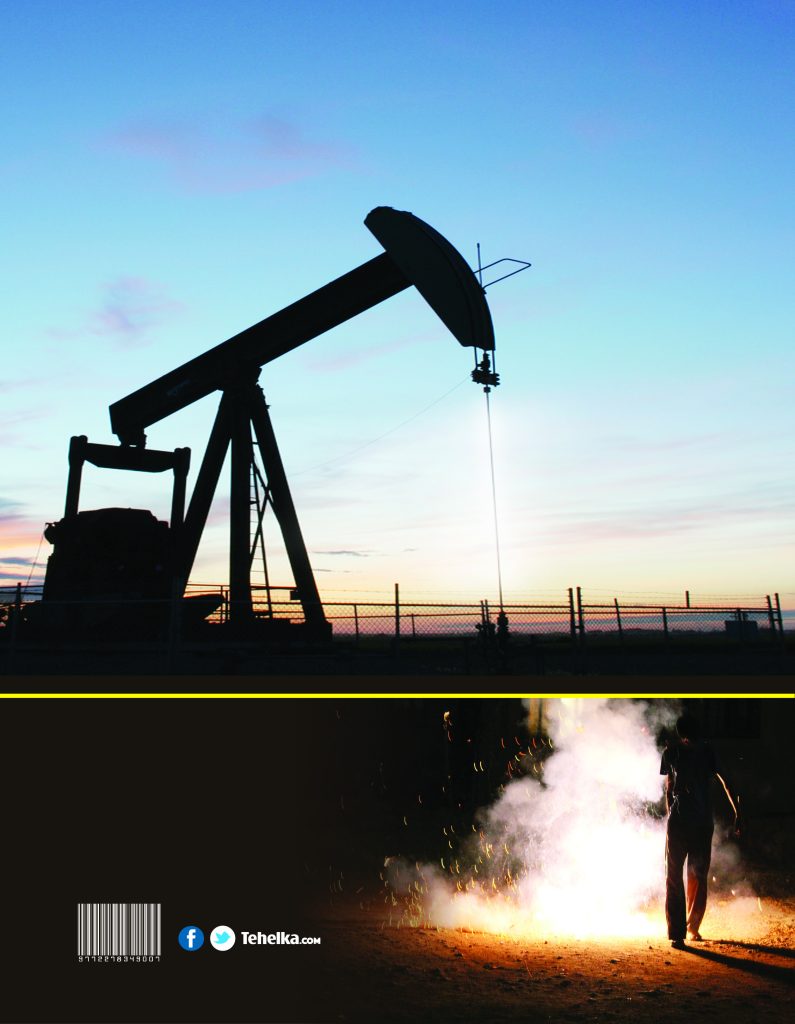
In the complex web of global geopolitics and energy economics, India finds itself at a critical juncture owing to its reliance on Russian crude oil, a consequence of the ongoing Ukraine conflict, and mounting pressure from US President Trump to halt such imports. A report by Tehelka Bureau
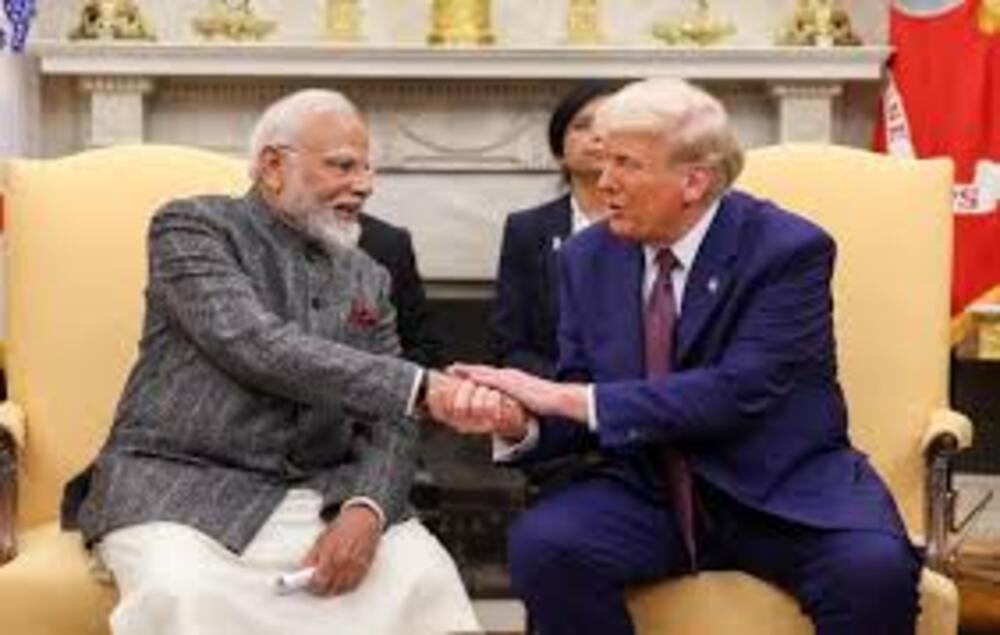
Tehelka analyzes how recent statements, particularly from former U.S. President Donald Trump, have intensified the debate, suggesting that India should cease its oil imports from Russia. The Donald Trump administration’s latest move to sanction major Russian oil firms Rosneft PJSC and Lukoil PJSC will likely make it almost impossible for India to continue procuring crude from Russia. US President Donald Trump has reiterated that India has agreed to reduce its purchase of Russian crude. Trump said PM Narendra Modi had assured him during a phone call that Delhi “was not going to buy much oil from Russia” as he too “wants to see the war end with Russia-Ukraine”. “I spoke to Prime Minister Modi today, as I mentioned before. And we just have a very good relationship. And he’s not going to buy much oil from Russia,” Trump told reporters during the White House Diwali celebrations on Tuesday. “He wants to see the war end with Russia-Ukraine. And, as you know, they’re not going to be buying too much oil. So they’ve cut it way back and they’re continuing to cut its way back.”
It may be noted that Modi acknowledged Trump’s call and his “warm greetings” on the festival of Diwali in a social media post, but didn’t comment on Russian oil. Trump had made similar remarks last week, but the Indian foreign ministry said at the time said it was not aware of any phone call between the leaders.
The impact on India’s current account deficit (CAD) could also be significant. According to ICRA Ratings, a $10 per barrel rise in oil prices could expand the CAD by 0.3% of GDP, putting pressure on the rupee and potentially requiring monetary adjustments. Despite potential challenges, India has diversified its crude sources. It imports from over 40 countries, including emerging suppliers such as Guyana, Brazil, and Canada. Long-term contracts with Middle Eastern producers provide flexibility, while refiners have explored alternatives in the US, West Africa, and Azerbaijan.
However, a switch from Russian crude is not seamless. Refineries optimized for Russian grades may need adjustments to process different crude types, potentially leading to downtime and higher operational costs. Indian Oil Corporation (IOC), Bharat Petroleum Corporation Limited (BPCL), and Hindustan Petroleum Corporation Limited (HPCL) could face underutilization of refining capacity, impacting profitability.
An abrupt cessation of Russian imports presents a complex challenge: balancing economic stability with geopolitical expectations. While alternative suppliers exist, immediate price and supply pressures are inevitable. Energy security, industrial fuel supply, and refining operations all face risks if imports were abruptly cut.
India became one of the biggest markets for Russian oil as Western nations shunned purchases and imposed sanctions on Moscow after the Ukraine war started in 2022. Delhi increased its imports and bought Russian crude at discounted prices, saying the decision was vital to provide energy security to millions of its people. Delhi has also pointed out that many Western nations, including the US, continue to have trade ties with Russia. In recent months, US officials have accused Delhi of helping to fund Russia’s war against Ukraine by continuing to buy crude oil, a claim Delhi denies.
The Trump administration has put both public and diplomatic pressure on Delhi to reduce its support for Moscow’s energy market, as part of efforts to economically isolate the Kremlin and push for an end to the war in Ukraine. Oil and gas are Russia’s largest exports, and Moscow’s biggest customers include China, India, and Turkey.
As part of this pressure, the US has imposed 50% tariffs – including an additional 25% as a penalty for buying Russian oil – on Indian goods.
However, the US president’s tone has softened in recent days as trade negotiations between the two countries progress. India has been locked in high-stakes trade talks with the US aimed at reaching a long-sought deal in the coming months.
Tehelka delves into the potential ramifications for India if such a move were to materialize, exploring alternative oil sources, economic impacts, and the broader geopolitical implications. Also, what would be its implications for the State-owned companies, including Indian Oil, Bharat Petroleum, and Hindustan Petroleum? However, the Indian version to date is a statement by an official spokesperson of the Ministry of External Affairs that maintains that, “India has been targeted by the United States and the European Union for importing oil from Russia after the commencement of the Ukraine conflict. In fact, India began importing from Russia because traditional supplies were diverted to Europe after the outbreak of the conflict. The United States at that time actively encouraged such imports by India for strengthening global energy market stability.
India’s imports are meant to ensure predictable and affordable energy costs to the Indian consumer. They are a necessity compelled by the global market situation. However, it is revealing that the very nations criticizing India are themselves indulging in trade with Russia. Unlike our case, such trade is not even a vital national compulsion.
The European Union in 2024 had a bilateral trade of Euro 67.5 billion in goods with Russia. In addition, it had trade in services estimated at Euro 17.2 billion in 2023. This is significantly more than India’s total trade with Russia that year or subsequently. European imports of LNG in 2024, in fact, reached a record 16.5mn tonnes, surpassing the last record of 15.21mn tonnes in 2022. Europe-Russia trade includes not just energy, but also fertilizers, mining products, chemicals, iron and steel, and machinery and transport equipment.
Where the United States is concerned, it continues to import from Russia uranium hexafluoride for its nuclear industry, palladium for its EV industry, fertilizers, as well as chemicals. In this background, the targeting of India is unjustified and unreasonable. Like any major economy, India will take all necessary measures to safeguard its national interests and economic security.
Current Landscape on Oil Imports
India, the world’s third-largest oil importer, has historically depended on the Middle East for its crude oil needs. However, since the onset of the Ukraine war in 2022, there has been a significant shift in its import patterns. Russian crude oil, offered at discounted rates due to Western sanctions, became an attractive alternative for Indian refiners. By fiscal year 2024-25, Russia supplied approximately 35% of India’s total crude oil imports, up from a mere 2% in 2022. This surge was primarily driven by the price advantage, with Russian oil priced below $60 per barrel, compared to over $70 for alternatives from Iraq and Saudi Arabia.
Interestingly, before 2022, India’s oil imports from Russia were minimal, with the country primarily relying on Middle Eastern supplies. This pattern shifted following the Russia-Ukraine war and the G7 nations’ move to implement a $60-per-barrel price cap, designed to restrict Russia’s revenue while maintaining global oil supply. While India avoids US-sanctioned oil from Iran and Venezuela, Russian oil remained both permissible and cost-effective, leading to increased purchases.
Economic implications of Russian Oil Curbs
A report by the State Bank of India (SBI) highlighted the potential economic fallout if India were to stop importing Russian crude. The study estimated that such a move could increase India’s annual oil import bill by up to $12 billion, primarily due to higher global oil prices. The rationale behind this is straightforward: Russia accounts for about 10% of the global oil supply. A sudden cessation of its oil exports would tighten global supply, leading to price hikes.
Moreover, the ripple effects would extend to India’s current account deficit (CAD). An increase in oil prices by $10 per barrel could widen the CAD by approximately 0.3% of GDP, as per ICRA Ratings. This would exert pressure on the Indian rupee and could necessitate adjustments in monetary policy.
India’s crude oil import bill could significantly increase if the country stops importing crude oil from Russia, according to a report by State Bank of India (SBI). If India halted oil imports from Russia for the rest of FY25-26, the fuel bill might increase by $9 billion in FY26 and $11.7 billion in FY27 due to the increase in prices, ANI reported, citing the SBI study.
This report comes amid the US imposing an additional 25% tariff on all Indian goods and penalties for India’s purchases from Russia. US President Donald Trump has said there will be no trade negotiations with India until a dispute over tariffs is resolved.
The White House issued an Executive Order imposing an additional 25 percentage points in tariffs on Indian goods, raising the total levy to 50%. The Trump administration cited national security and foreign policy concerns, pointing specifically to India’s ongoing imports of Russian oil.
India’s reliance on Russian oil has grown since 2022. Russia’s share of India’s total oil imports surged from just 1.7 per cent in 2020 to 35.1 per cent in 2025, making Russia its largest oil supplier.
This shift was largely driven by the availability of discounted Russian oil, capped at $60 per barrel, a move to ensure energy security, after Western nations imposed sanctions on Moscow and avoided its supplies following the invasion of Ukraine.
India imported 88 million metric tonnes (MMT) of crude from Russia in FY25, out of its total oil imports of 245 MMT, the news report said.
Before the Ukraine war, Iraq was India’s top crude supplier, followed by Saudi Arabia and the United Arab Emirates (UAE).
“If India stopped oil imports from Russia during the rest of 2025-26, then India’s fuel bill might increase by only USD 9 billion,” SBI stated in the report.
This would be a direct consequence of having to buy more expensive oil from other countries. Furthermore, if all countries were to stop buying Russian oil, which accounts for 10 per cent of the world’s crude supply, global oil prices could rise by as much as 10 per cent, provided no other countries increase their production.
India’s strategy to mitigate the impact
Despite the potential increase in import bill, the SBI report highlighted that India’s diversified supply network and established contracts with other oil-producing nations may help cushion the impact.
India has diversified its oil sources to about 40 countries, including new suppliers like Guyana, Brazil, and Canada, adding to the country’s energy security.
Additionally, Indian refiners have annual contracts with its traditional Middle Eastern producers, which allow flexibility to request additional supplies each month.
Since the imposition of sanctions on Russia, refiners have also turned to crude suppliers in the United States, West Africa, and Azerbaijan.
However, SBI cautions that a rise in global crude prices would still exert upward pressure on India’s fuel costs.
Exploring Alternatives
In the event of a Russian oil embargo, India would need to identify alternative sources to meet its crude oil requirements. Traditional suppliers like Iraq, Saudi Arabia, and the UAE could potentially increase their output to fill the gap. However, this is contingent on their production capacities and willingness to adjust to new market dynamics.
Additionally, countries like Brazil and Nigeria, which have been offering competitive pricing, could emerge as viable options. However, logistical challenges, such as longer shipping routes and potential quality differences in crude grades, could complicate these alternatives.
The shift in supply sources would also necessitate modifications in India’s refining processes. Refineries optimized for processing Russian crude might require adjustments to handle different grades, leading to potential downtime and increased operational costs.
Impact on Indian Refiners and Energy Security
Indian Oil Corporation (IOC), Bharat Petroleum Corporation Limited (BPCL), and Hindustan Petroleum Corporation Limited (HPCL) are the primary state-owned refiners in the country.
These entities have heavily invested in refining infrastructure tailored to Russian crude. A sudden disruption in supply could lead to underutilization of refining capacities, affecting profitability and operational efficiency.
Furthermore, energy security could be compromised. While India has diversified its energy sources, a significant portion of its crude oil still originates from Russia. A sudden cessation could lead to supply shortages, affecting industries and transportation sectors reliant on consistent fuel availability.
Geopolitical, Strategic Dimensions
India’s continued import of Russian oil has been a point of contention with Western nations, particularly the United States. The U.S. has imposed sanctions on Russian oil producers and their associated shipping fleets, aiming to curb Moscow’s revenues. However, these measures have inadvertently affected countries like India, which have maintained trade relations with Russia.
India’s stance has been one of strategic autonomy. While acknowledging the geopolitical concerns, India has emphasized its right to secure energy at the best possible prices for the benefit of its citizens. This approach aligns with its broader foreign policy objectives of non-alignment and prioritizing national interests.
The prospect of India halting its oil imports from Russia presents a multifaceted challenge. While the nation is exploring alternative sources and diversifying its energy portfolio, the immediate economic implications are significant. A balanced approach, weighing geopolitical considerations against economic realities, will be essential for India to navigate this complex terrain.
In the coming months, India’s decisions regarding its oil import strategy will not only influence its energy security but also its standing in the global geopolitical arena. As the situation evolves, continuous assessment and adaptive strategies will be crucial for maintaining economic stability and energy resilience.
India imported 88 million metric tonnes (MMT) of crude from Russia in FY25, out of its total oil imports of 245 MMT, the news report said.
Before the Ukraine war, Iraq was India’s top crude supplier, followed by Saudi Arabia and the United Arab Emirates (UAE).
“If India stopped oil imports from Russia during the rest of 2025-26, then India’s fuel bill might increase by only USD 9 billion,” SBI stated in the report.
This would be a direct consequence of having to buy more expensive oil from other countries. Furthermore, if all countries were to stop buying Russian oil, which accounts for 10 per cent of the world’s crude supply, global oil prices could rise by as much as 10 per cent, provided no other countries increase their production.
India’s strategy to mitigate the impact
Despite the potential increase in import bill, the SBI report highlighted that India’s diversified supply network and established contracts with other oil-producing nations may help cushion the impact.
India has diversified its oil sources to about 40 countries, including new suppliers like Guyana, Brazil, and Canada, adding to the country’s energy security.
Additionally, Indian refiners have annual contracts with its traditional Middle Eastern producers, which allow flexibility to request additional supplies each month.
Since the imposition of sanctions on Russia, refiners have also turned to crude suppliers in the United States, West Africa, and Azerbaijan.
However, SBI cautions that a rise in global crude prices would still exert upward pressure on India’s fuel costs.
Exploring Alternatives
In the event of a Russian oil embargo, India would need to identify alternative sources to meet its crude oil requirements. Traditional suppliers like Iraq, Saudi Arabia, and the UAE could potentially increase their output to fill the gap. However, this is contingent on their production capacities and willingness to adjust to new market dynamics.
Additionally, countries like Brazil and Nigeria, which have been offering competitive pricing, could emerge as viable options. However, logistical challenges, such as longer shipping routes and potential quality differences in crude grades, could complicate these alternatives.
The shift in supply sources would also necessitate modifications in India’s refining processes. Refineries optimized for processing Russian crude might require adjustments to handle different grades, leading to potential downtime and increased operational costs.
Impact on Indian Refiners and Energy Security
Indian Oil Corporation (IOC), Bharat Petroleum Corporation Limited (BPCL), and Hindustan Petroleum Corporation Limited (HPCL) are the primary state-owned refiners in the country.
These entities have heavily invested in refining infrastructure tailored to Russian crude. A sudden disruption in supply could lead to underutilization of refining capacities, affecting profitability and operational efficiency.
Furthermore, energy security could be compromised. While India has diversified its energy sources, a significant portion of its crude oil still originates from Russia. A sudden cessation could lead to supply shortages, affecting industries and transportation sectors reliant on consistent fuel availability.
Geopolitical, Strategic Dimensions
India’s continued import of Russian oil has been a point of contention with Western nations, particularly the United States. The U.S. has imposed sanctions on Russian oil producers and their associated shipping fleets, aiming to curb Moscow’s revenues. However, these measures have inadvertently affected countries like India, which have maintained trade relations with Russia.
India’s stance has been one of strategic autonomy. While acknowledging the geopolitical concerns, India has emphasized its right to secure energy at the best possible prices for the benefit of its citizens. This approach aligns with its broader foreign policy objectives of non-alignment and prioritizing national interests.
The prospect of India halting its oil imports from Russia presents a multifaceted challenge. While the nation is exploring alternative sources and diversifying its energy portfolio, the immediate economic implications are significant. A balanced approach, weighing geopolitical considerations against economic realities, will be essential for India to navigate this complex terrain.
In the coming months, India’s decisions regarding its oil import strategy will not only influence its energy security but also its standing in the global geopolitical arena. As the situation evolves, continuous assessment and adaptive strategies will be crucial for maintaining economic stability and energy resilience.