Despite repeated warnings from climate experts about the increasing volatility of weather systems, preparedness and early-warning mechanisms remain limited in many regions
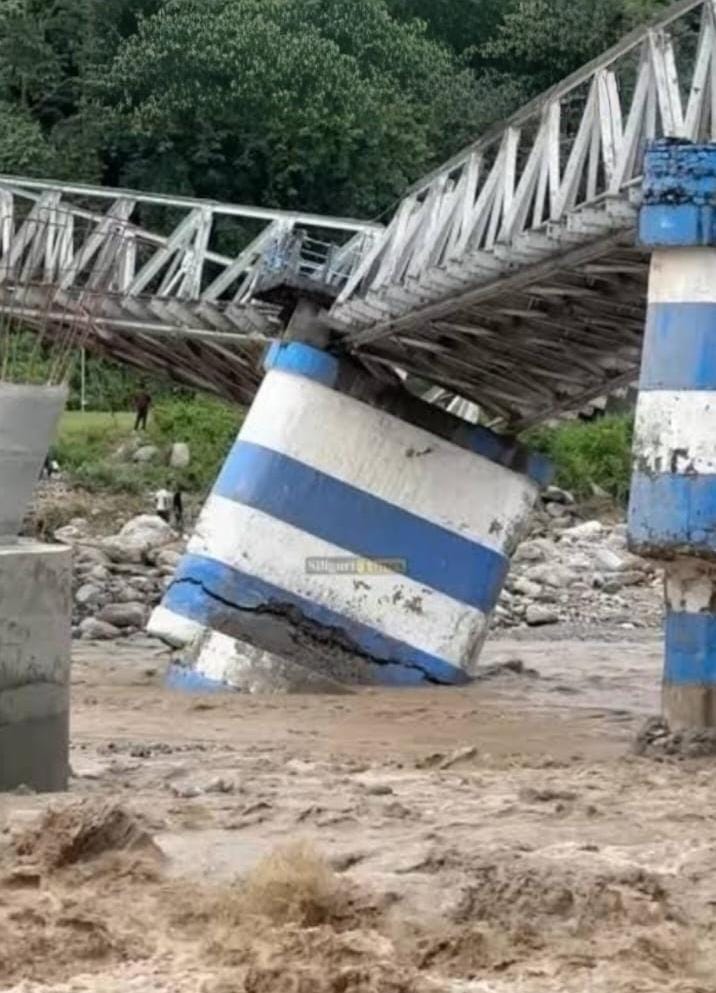
After battering northern India — including Punjab, Himachal Pradesh, and Jammu & Kashmir — the fury of rain and snow has now shifted eastward, devastating parts of Nepal, Tibet, Bhutan, and India’s Darjeeling hills. From the Tibetan slopes of Mount Everest to Nepal’s mountain towns and India’s tea-growing highlands, landslides and flash floods have killed dozens and stranded hundreds over the weekend.
In Nepal, landslides, lightning strikes, and floods triggered by relentless rain killed at least 44 people with five others reported missing, according to reports. Most of the casualties were reported from the eastern mountain district of Illam, where entire villages were swept away by landslides, said the National Disaster Risk Reduction and Management Authority of Nepal. Days of torrential rainfall triggered flash floods, causing rivers to overflow, submerging low-lying areas.
Across the border in Tibet, hundreds were left stranded on the eastern slopes of Mount Everest after a massive blizzard blocked all routes. The “rare” early winter storm struck during peak trekking season, burying roads and passes under thick ice since Friday evening. Local media said many mountaineers have been guided to safety, while several others are still awaiting rescue, as per local media reports.
October is typically the busiest time for treks to the Tibetan side of Everest.
The deluge also battered India’s eastern Himalayas — West Bengal’s Darjeeling hills were among the worst hit, with several deaths reported. Over 300 mm of rainfall in just 12 hours caused flash floods that swept away two iron bridges and damaged roads, power lines, and farmland across Darjeeling, Kalimpong, Jalpaiguri, and Alipurduar. The situation was worsened by heavy inflows from Bhutan and Sikkim, reviving memories of recent floods in Punjab.
Bhutan too faced the brunt, as sudden flooding in the Amochu River stranded several families and workers in temporary camps. A coordinated rescue effort by Bhutanese authorities and the Indian Army helped evacuate them to safety.
The events are a grim reminder from scientists that such extreme weather events are becoming alarmingly frequent across the Himalayas—a region highly vulnerable to climate change. Rising global temperatures are accelerating glacial melt, disrupting rainfall patterns, and intensifying the frequency of cloudbursts and flash floods. Despite repeated warnings from climate experts about the increasing volatility of weather systems, preparedness and early-warning mechanisms remain limited in many regions. The latest disaster serves as another grim reminder that the Himalayas — often called the “third pole” — are on the frontlines of the climate crisis.