But this is not the first instance of a shoe being used as a form of protest in India
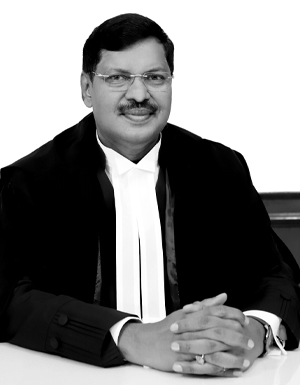
A dramatic scene unfolded in the Supreme Court on Monday when a 71-year-old man, identified as advocate Rakesh Kishore, attempted to hurl a shoe at Chief Justice of India (CJI) B.R. Gavai. The shoe fell short, and security personnel swiftly detained Kishore, who was later escorted out. The incident triggered widespread outrage across political and legal circles.
According to reports, Kishore was protesting against the CJI’s recent remark on Lord Vishnu, made during a hearing on September 16. At that time, Justice Gavai had told a petitioner seeking the replacement of a damaged idol in Khajuraho to “go and ask the deity himself.” Kishore, declaring, “We will not tolerate any insult to Sanatan Dharma,” disrupted proceedings during the morning mentioning session before attempting the attack.
Despite the commotion, CJI Gavai remained composed and advised lawyers not to be distracted. The Bar Council of India immediately suspended Kishore and initiated disciplinary action, although the CJI reportedly requested that no punitive measures be taken and that the thrown shoe be returned.
Prime Minister Narendra Modi condemned the incident, calling it “utterly reprehensible” and praising Justice Gavai’s calm response. “Spoke to the Chief Justice of India, Justice B.R. Gavai Ji. The attack on him earlier today in the Supreme Court premises has angered every Indian. There is no place for such reprehensible acts in our society. It is utterly condemnable.
“I appreciated the calm displayed by Justice Gavai in the face of such a situation. It highlights his commitment to the values of justice and strengthening the spirit of our Constitution.”
Congress leaders Rahul and Sonia Gandhi termed the act an “assault on the dignity of the judiciary and the Constitution.” The CPI(M) politburo described it as a reflection of “communal venom” in society. Bar associations, including the Supreme Court Bar Association and the All India Lawyers Union, also strongly denounced the attack, urging respect for judicial institutions.
The incident reignited debate over the rise of intolerance and growing aggression in public discourse. Legal experts and civil society members expressed concern that anger over religious or ideological differences is increasingly taking violent or disruptive forms. Many warned that attacks on institutions of justice erode democratic values and the rule of law. Commentators said that dissent and belief must coexist within the framework of respect but the judiciary should remain insulated from ideological or religious passions to safeguard the spirit of India’s pluralism and constitutional morality.
However, this is not the first instance of a shoe being used as a form of protest in India. Over the years, politicians and public figures — including former Prime Minister Manmohan Singh, Congress leader P. Chidambaram, and BJP’s L.K. Advani — have faced similar acts from protesters seeking attention or expressing anger. Such incidents, though symbolic, have often reflected growing frustration and the erosion of civil dialogue in the country’s political and public life. The number of international shoe-throwing incidents involving prominent figures is also many.