
Though IT Ministry officials ruled out cyberattack, experts say there have been cases globally where telecom protocols similar to those supporting aviation communications have been exploited via cyberattacks. Technical glitches can happen due to software or hardware failures and aviation communication systems, including AMSS, are known to have certain cybersecurity vulnerabilities.
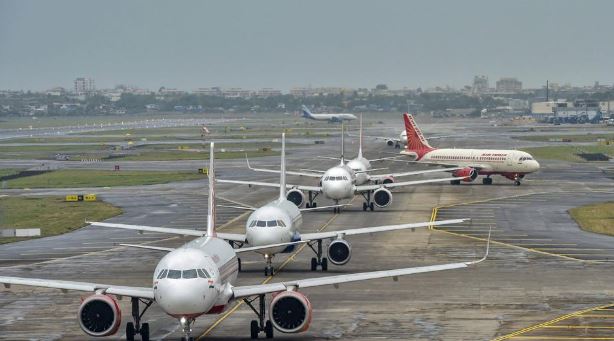
On Friday the Indira Gandhi International Airport—India’s busiest airport—witnessed a major chaos as more than 800 domestic and international flights were delayed due to the air traffic control system’s technical issue. The technical glitch with the Automatic Message Switching System (AMSS)—which aids air traffic control in flight planning—persisted for over 15 hours, causing widespread chaos, reportedly leading to at least 20 cancellations.
The disruption began on November 6, when a failure in the AMSS—a critical component supporting ATC’s flight planning process—forced controllers to switch to manual operations. This shift significantly slowed the processing of flight plans, causing long queues at check-in counters, extended wait times on board aircraft, and stranding thousands of passengers.
According to the Airport Authority of India, the issue was detected on November 6, 2025, in the IP-based AMSS system. Immediately, the review meeting was conducted by the Secretary, MoCA, with Chairman AAI, Member ANS, and other officials, and necessary directions were given to address the issues. The OEM was engaged, and additional staff were deployed to manually process Flight Plans for the Air Traffic Control system to ensure uninterrupted and safe air traffic operations immediately
By late Friday, the AMSS system was restored, allowing flight operations to gradually return to normal, though some minor delays persisted due to the backlog, however, the unprecedented technical failure highlighted the critical role of automation in ATC, prompting an inquiry to understand the cause and prevent future disruptions.
Automatic Message Switching System
The AMSS is a specialized communication system used in ATC for managing and exchanging vital aeronautical messages. Basically, it is like a digital post office for ATC, automatically sending and receiving important flight messages, such as flight plans, weather updates, and arrival/departure details, between airports, airlines, and air traffic controllers, say experts.
“When this system works, all the information moves quickly and helps keep flights safe and on time. But if it stops working, like it did recently at Delhi Airport, controllers have to handle all that information by hand, which slows everything down and causes delays. So, in simple terms, AMSS helps air traffic controllers communicate and manage flights smoothly by automatically sharing key messages behind the scenes,” they say.
Though some suspected that the disruption could be linked to a cyberattack, it was ruled out by officials. IT Ministry officials said the disruption was “not due to a cyberattack” but according to experts there have been “cases globally where telecom protocols similar to those supporting aviation communications have been exploited via cyberattacks”. Technical glitches can happen due to software or hardware failures and aviation communication systems, including AMSS, are known to have certain cybersecurity vulnerabilities, they add.