There is bad news for the Indian subcontinent as well. According to the report, rising temperatures in the Himalayas are forcing cold-adapted species like musk deer, pheasants and snow trout to migrate higher up mountains, into smaller and more fragmented habitats. Small mammals in Uttarakhand could lose over half of their range.
Migratory species across the globe are under increasing pressure from climate change, according to a new report released by the Convention on the Conservation of Migratory Species of Wild Animals (CMS). The findings stem from the Migratory Species & Climate Change Expert Workshop held in February 2025 in Edinburgh and present a grim warning—that a fifth of migratory species are threatened with extinction, rising to 97% for migratory fish
There is bad news for the Indian subcontinent as well. According to the report, rising temperatures in the Himalayas are forcing cold-adapted species like musk deer, pheasants and snow trout to migrate higher up mountains, into smaller and more fragmented habitats. Small mammals in Uttarakhand could lose over half of their range.
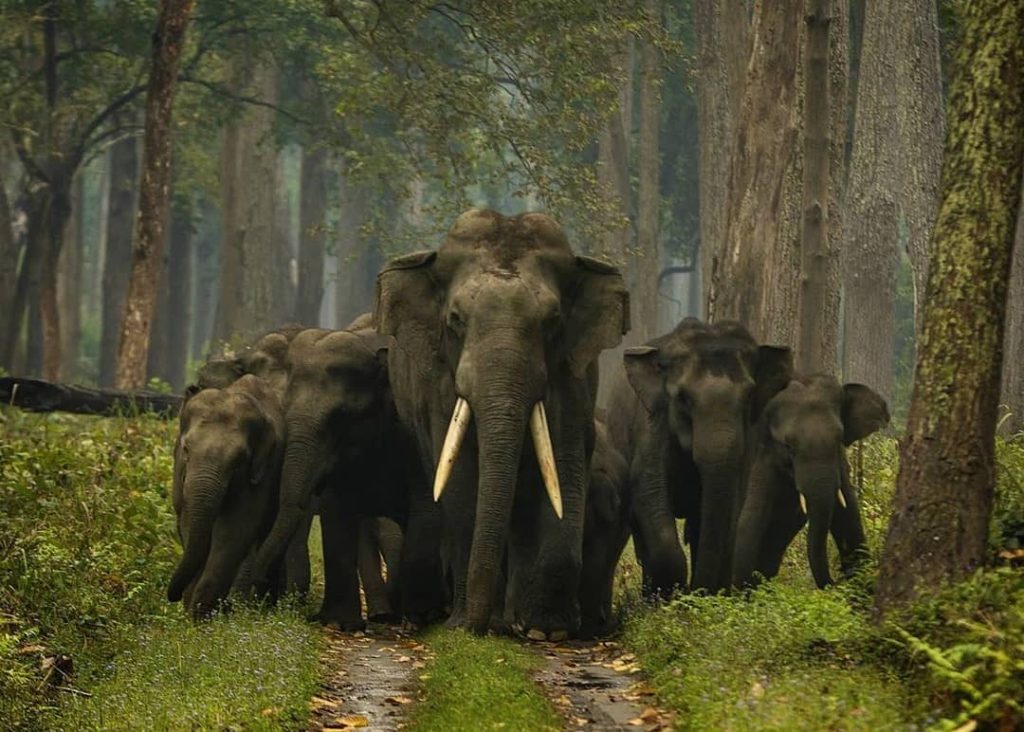
Climate change and habitat destruction are also likely to shift suitable elephant habitats from South to Southeast Asia. Most elephant populations in India and Sri Lanka cannot follow these habitat shifts due to a lack of connecting habitat, and there may be conflict as climate change forces elephants into new areas with high human populations.
In fact, all migratory species groups are being affected by rising temperatures, extreme weather, and changing water systems, thus altering migration routes, shrinking habitats and threatening the ecosystems that both wildlife and humans depend on.
Heatwaves are hitting waters from river to sea and among the most concerning impacts are mismatches in timing. Shorebirds in Alaska and the Arctic are nesting out of sync with insect emergence, reducing chick survival. In western Alaska, every 1°C shift in temperature affects nesting by 1–2 days. Over the past decade, unexpected cooling has delayed nesting by up to five days—leading to fewer and smaller eggs, it says
Meanwhile, whale species like the endangered North Atlantic right whale are facing altered migration routes, declining prey availability, and reproductive stress due to warming seas. “Whales support carbon-absorbing seagrass ecosystems, and themselves store vast amounts of carbon. Each elephant in the Congo contributes $2.6 million worth of carbon storage services over their lifetime,” it says
Heatwaves are devastating aquatic environments. In 2023, the Amazon River saw temperatures hit 41 °C, killing river dolphins and depleting prey species. In the Mediterranean, marine heat extremes could cut fin whale habitat by 70% by mid-century. Seagrass meadows—vital carbon sinks and habitats for species like dugongs and sea turtles—are being degraded by marine heatwaves, cyclones, and sea-level rise.
The CMS report highlights available solutions—ecological corridors and dynamic management approaches can bolster species’ resilience. “Migratory animals are the planet’s early‐warning system and they are in trouble,” said Amy Fraenkel, CMS Executive Secretary. “From monarch butterflies vanishing from our gardens to whales veering off course in warming seas, these travellers are sending us a clear signal. Climate change is having impacts now, and without urgent action, the survival of such species is in jeopardy.”