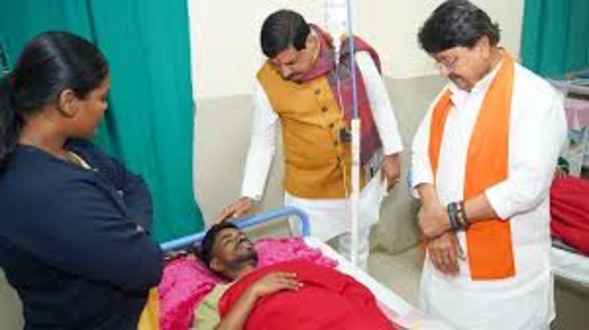
Indore, hailed as India’s “cleanest city” is in the throes of contaminated water crisis resulting in at least 12 confirmed deaths attributed to waterborne diseases after which the Indore Municipal Corporation (IMC) has begun a large-scale initiative to replace old water pipelines.
The city has also launched an emergency water supply network, distributing filtered water through tanker trucks to the most affected areas. The victims, mostly from lower-income areas, suffered from severe gastrointestinal infections such as diarrhea, vomiting, and stomach ulcers, which were linked to the poor quality of drinking water provided by the municipal supply. The situation has raised significant concerns among residents and health officials, as the contamination appears to be linked not only to bacterial pathogens but also to chemical pollutants in the water, which are causing long-term health complications.
While the local authorities have launched emergency measures to address the crisis, the loss of life has sparked outrage and calls for greater accountability from the municipal government. Families of the victims have expressed frustration over the slow pace of the government’s response and have demanded more urgent action to prevent further casualties.
To prevent further health risks, the IMC has set up temporary water treatment plants in high-risk zones, which use advanced filtration technologies to remove harmful pathogens and chemicals from the water.
On the regulatory front, the Madhya Pradesh Pollution Control Board has imposed stricter guidelines on industries near water bodies to prevent untreated industrial waste from contaminating the city’s water supply. Moreover, the State Health Department has initiated widespread awareness campaigns to educate residents about waterborne diseases and encourage safe water practices.
Indore, hailed as India’s “cleanest city” for nearly a decade, has recently found itself in the midst of a tragic water contamination crisis. Once a shining example of urban cleanliness and governance, the city is now grappling with the fallout of unsafe drinking water that has affected thousands of its residents. The tragedy has put a spotlight on the city’s water infrastructure and raised concerns about the broader implications for public health.
Indore has long been a model for cleanliness in India. In the annual Swachh Survekshan rankings, the city consistently outshone its competitors, earning the coveted title of the cleanest city in the country for multiple years. This reputation was built on effective waste management practices, strong municipal governance, and citizen engagement. Yet, the recent water contamination incident has exposed vulnerabilities that no one expected from such a well-maintained city.
In early 2025, reports began to surface that several neighborhoods in Indore had received contaminated water through the municipal supply. The contamination was traced back to high levels of chemicalsandbacterial pathogens, which had entered the water supply. This raised alarm bells not just within Indore but across the country. How could such a city, regarded as the epitome of cleanliness, fall victim to something as basic as unsafe drinking water?

For many citizens, particularly those from low-income groups, the fallout was financially devastating. With municipal tap water deemed unsafe, people turned to bottled water as an alternative. However, bottled water is significantly more expensive than regular tap water, and for many, this added cost was unsustainable. Small businesses, which rely on a steady supply of water for daily operations, also found themselves facing financial difficulties as they had to find alternative water sources at higher costs.
Some residents resorted to purchasing water from local vendors, who, in many cases, were charging exorbitant rates due to the high demand for clean water. This created a ripple effect, with the price of bottled water rising sharply and making it unaffordable for those living paycheck to paycheck. Those with limited means were left in a desperate struggle to secure safe drinking water.
In the aftermath of the contamination crisis, local authorities and the state government struggled to contain the situation. The Indore Municipal Corporation (IMC) initiated water testing and began distributing tankers of clean water to affected areas. However, the sheer scale of the problem meant that the supply of clean water was insufficient to meet the demand.
Several citizens expressed frustration over the slow pace of government action. Many felt that the government had failed to adequately maintain the water supply infrastructure, which had allowed contamination to creep into the system. The IMC claimed that the contamination was a result of a combination of factors, including aging pipelines, improper sewage management, and an unusually heavy monsoon season that caused runoff contamination. However, critics argued that these issues should have been anticipated and addressed long before the crisis reached such a scale.
While Indore’s water contamination crisis is an isolated incident, it has highlighted broader systemic issues in India’s urban water supply and sanitation systems. Water contamination has long been a problem in many parts of India, particularly in smaller towns and rural areas, but Indore’s situation is a stark reminder that even India’s most developed cities are not immune to such issues.
In the wake of the crisis, Indore is taking steps to rebuild its reputation and ensure that such an incident does not occur again. The IMC has announced plans to overhaul the city’s water supply system, including replacing old pipelines and introducing more rigorous water quality monitoring. There are also talks about upgrading sewage treatment plants to prevent contaminants from entering the water supply.
Citizens, however, are sceptical. While the government has promised reforms, many remain uncertain about the timeline and efficacy of these measures. The fear of future contamination looms large, particularly for those who are already struggling to make ends meet.