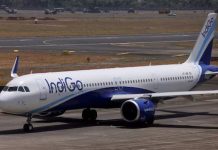
In a concerning turn of events, Canada’s aviation authorities have reportedly asked Air India to conduct a full investigation into the recent removal of one of its pilots from a flight under the suspicion of being under the influence of alcohol. The incident has raised serious questions about airline safety, regulatory oversight, and the overall integrity of air travel operations.
The incident occurred earlier this week at Toronto Pearson International Airport, where the Air India flight was scheduled to depart for New Delhi. According to sources familiar with the matter, the pilot was removed from the cockpit just before the plane was about to take off, after crew members and airport authorities raised alarms about the possibility that the pilot was impaired. This prompted Canadian authorities to immediately intervene and launch a preliminary inquiry.
An official spokesperson from Canada’s Transportation Safety Board (TSB) said, “This is a serious issue that demands immediate attention. We have asked Air India to cooperate fully with our investigation into the events that led to the pilot being removed from the aircraft.”
The airline, has responded by saying that it takes the allegations very seriously and is working closely with both Canadian authorities and its internal safety team. “Air India maintains the highest standards of safety, and any violation of our stringent operational protocols will not be tolerated,” the airline said in a statement released shortly after the incident. They have assured the public that the situation is being thoroughly reviewed, and necessary actions will be taken.
Sources indicate that the pilot in question underwent a breath alyzer test after being removed from the cockpit, with preliminary results reportedly showing traces of alcohol in his system. However, the airline and Canadian authorities have yet to confirm these details, leaving the exact nature of the impairment uncertain.
As part of standard aviation regulations, pilots are required to undergo alcohol tests before boarding any flight. Canada’s aviation rules, similar to those in many countries, dictate that pilots must have a blood alcohol level of zero or a maximum of 0.04%. The incident has brought this policy into sharper focus, highlighting the importance of enforcing such rules rigorously.
The removal of the pilot has not only raised concerns about safety but also about the process by which airline companies handle internal checks and balances. While many experts agree that aviation companies should have tight protocols in place to prevent such incidents, some critics have argued that Air India may need to bolster its pre-flight screening processes to avoid similar situations in the future.
The incident has also attracted the attention of India’s Directorate General of Civil Aviation (DGCA), which has expressed concern over the allegations. The DGCA has stated that it is in contact with Air India to monitor the situation closely and will ensure that the airline complies with Indian and international safety standards.
While the investigation is ongoing, aviation safety experts have cautioned that incidents like these, although rare, highlight the critical importance of maintaining strict protocols in the aviation industry.