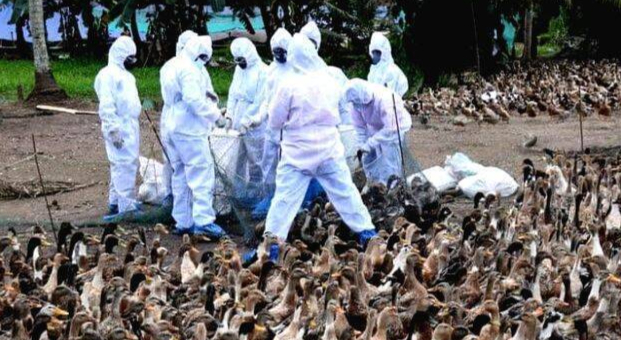
India is once again confronting the threat of avian influenza after authorities confirmed a cluster of highly pathogenic H5N1 bird flu outbreaks in the southern state of Kerala.
The World Organisation for Animal Health (WOAH) said India reported 11 separate outbreaks on poultry farms recently, raising fresh concerns for the country’s poultry sector and public health officials.
The cases were detected across several districts in Kerala, a state with a significant concentration of duck and poultry farming. Officials said thousands of birds either died from the disease or were culled as part of emergency containment measures aimed at preventing further spread. The resurgence comes months after India last reported major outbreaks, underscoring the persistent risk posed by the virus.
Avian influenza, commonly known as bird flu, has become a recurring global problem in recent years. The virus has devastated poultry flocks across Asia, Europe and the Americas, disrupting food supply chains, pushing up prices of eggs and poultry meat, and inflicting heavy losses on farmers. Governments worldwide have stepped up surveillance as outbreaks have become more frequent and geographically widespread.
The H5N1 strain detected in Kerala is among the most severe forms of avian influenza. It spreads rapidly among birds and is often fatal, particularly in densely populated farms. While the virus primarily affects birds, it has on rare occasions infected humans, usually through close contact with infected poultry. Health authorities stress that such cases remain uncommon and that there is no evidence of sustained human-to-human transmission.
Kerala’s animal husbandry department moved quickly after the outbreaks were confirmed. Veterinary teams were dispatched to affected areas to carry out culling operations, disinfect farms, and monitor surrounding zones. Restrictions were imposed on the movement of live birds, eggs and poultry products from infected areas, while farmers were instructed to tighten biosecurity practices.
The outbreaks have heightened anxiety among poultry producers, many of whom are still recovering from previous waves of bird flu and rising feed costs. Industry representatives warn that even limited outbreaks can damage consumer confidence, leading to reduced demand and financial strain for small-scale farmers who dominate Kerala’s poultry sector.
Economists say prolonged or widespread outbreaks could also have broader implications for food prices. Poultry is one of India’s most affordable sources of animal protein, and disruptions to supply often translate into higher costs for consumers, particularly in urban areas.
Public health authorities in India have urged calm, emphasizing that properly cooked poultry and eggs remain safe to eat. They have advised people to avoid handling sick or dead birds and to report unusual bird deaths promptly to local officials. Poultry workers and farmers have been asked to use protective equipment and follow hygiene protocols to reduce any risk of exposure.
India has faced repeated bird flu outbreaks over the past two decades, prompting periodic calls for longer-term solutions such as vaccination programs, stronger farm-level biosecurity and improved compensation mechanisms for affected farmers. While some countries have begun vaccinating poultry against avian influenza, India has so far relied primarily on culling and movement controls.
As Kerala works to contain the latest outbreaks, authorities remain on high alert for any further spread. The situation serves as a reminder of the ongoing challenge posed by avian influenza — a disease that continues to test animal health systems, threaten livelihoods, and demand constant vigilance from governments around the world.