The fact is ‘beedis’ and cigarettes both contain tobacco and are harmful. But ‘beedis are considered a “poor man’s smoke”
The Congress on Friday sparked a political storm after its Kerala unit posted a controversial tweet drawing a parallel between Bihar and humble ‘beedis’. The attempt to mock the BJP over recent GST reforms, however, backfired with the BJP coming all guns blazing out at the grand old party for what it claimed was “insult to the entire state”. Reacting strongly, Bihar Deputy Chief Minister Samrat Choudhary said “First, the insult to the revered mother of our honourable Prime Minister Shri Narendra Modi ji and now the insult to the entire Bihar. This is the true character of the Congress, which is repeatedly being exposed before the country.”
The post was accompanied by a chart outlining the new GST rates, showing that GST on cigars and cigarettes was raised from 28 to 40 per cent, on tobacco from 28 to 40 per cent, while that bidis was cut from 28 to 18 per cent, effectively removing it from the “sin goods” category attracting the highest GST rates. “Bidis and Bihar start with B. Cannot be considered sin anymore,” stated the post, which seemed to have been posted to suggest that the move had been made in mind the upcoming Bihar elections.
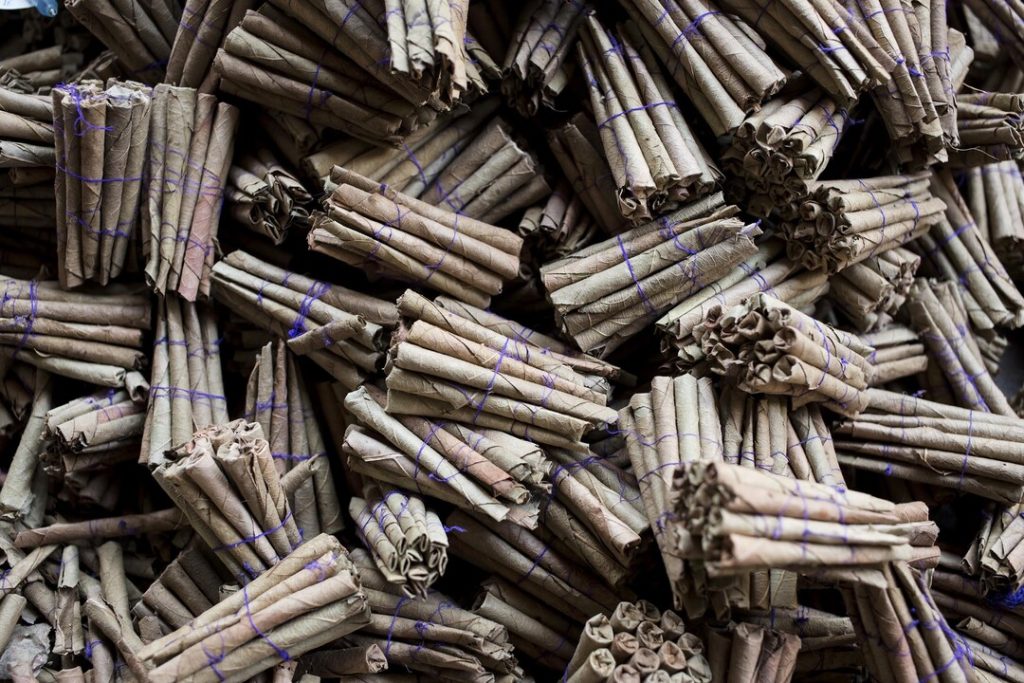
The fact is while the prices of cigarettes and other tobacco products, including ‘gutkha’, are set to rise after the GST reforms announced Wednesday, the humble ‘beedi’ will see a marginal drop in prices. The GST on ‘beedis,’ which was previously 28 per cent, has been reduced to 18 per cent. The GST on ‘tendu patta’ used to make ‘beedis’ has been reduced from 18 per cent to 5 per cent. Cigarettes and other tobacco products, which currently attract 28 per cent GST, will become costlier after being moved to the 40 per cent tax bracket.
Beedis and cigarettes are both harmful
The fact is ‘beedis’ and cigarettes both contain tobacco and are harmful. But ‘beedis are considered a “poor man’s smoke”. Cigarettes are already unaffordable for most low-income groups and taxing ‘beedis’ at par risks may have been considered “anti-poor” especially in mind the upcoming Assembly elections in critical states. However, health experts, and also WHO, have repeatedly flagged this as regressive, since it made harmful tobacco cheaper for the poor
Including beedis in the high-tax “sin goods” bracket (28% GST + cess) was meant to reduce affordability and discourage consumption. Plus, similar products should attract similar taxes and ‘beedis’ and cigarettes are both tobacco products and keeping different slabs can create loopholes and classification disputes.
India is also the largest consumer of ‘beedis’ in the world. While each beedi is cheap, the sheer volume is massive. Bringing them in the high-tax bracket increased government revenue significantly. Normally the tobacco industry shifts consumption from cigarettes to ‘beedis’ whenever taxes go up on one side.
There is another aspect to it, while one cannot justify smoking in any form, the ‘beedi’ industry also employs lakhs of workers, especially women in rural areas. Heavy taxation could have shrunk demand, hurting their livelihood. Also the ‘beedi’ sector is highly unorganised, with small-scale producers and enforcing GST compliance there is far harder than with cigarette companies.