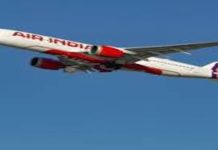
India’s aviation industry has long been a story of rapid growth and connectivity. Among its players, IndiGo, operated by InterGlobe Aviation, has stood out as a model of efficiency. Dominating around 60–65% of domestic air travel, it has earned a reputation for punctuality, affordable fares, and a lean operational model. For nearly two decades, this approach delivered profitability and market dominance. Yet, even the most streamlined systems can face unexpected shocks — and IndiGo’s late-2025 crisis was a vivid example.
Trigger
The immediate trigger was regulatory. The Directorate General of Civil Aviation (DGCA) introduced updated Flight Duty Time Limitations (FDTL) in 2025 to reduce pilot fatigue and improve safety. Fully enforced from November 1, 2025, these rules mandated:
Longer weekly rest for pilots (48 hours vs 36)
Fewer night landings per week (2 vs 6)
Tighter night duty limits
While safety advocates welcomed the move, the changes collided with IndiGo’s hyper-lean staffing model, exposing operational vulnerabilities.
IndiGo, operated by InterGlobe Aviation, is India’s largest carrier by market share — handling over 60–65% of domestic traffic. It has built its reputation on punctuality, low fares, and a tightly optimized fleet and crew roster. For nearly two decades, this model delivered profitability and dominance.
However, the industry — and IndiGo in particular —faced a regulatory shift: new pilot duty and rest regulations introduced by India’s aviation regulator, the Directorate General of Civil Aviation (DGCA), aimed at reducing pilot fatigue and improving flight safety.
The intentions were widely supported. Long-haul carriers and safety advocates welcomed the changes as aligning India with international best practices. But as the changes took effect, unexpected consequences rippled through operating schedules — especially at IndiGo.
Pilot Shortages and Roster Chaos
IndiGo’s pilot strength fell from roughly 5,463 in March 2025 to 5,085 by December, a nearly 7% decline, even as fleet size and flight numbers expanded. With new rest rules, pilot availability dropped sharply, creating gaps in schedules.
In principle, all airlines had a two-year window to prepare for these new norms. But in reality, IndiGo’s preparation was widely seen as inadequate. Reports say that instead of increasing pilot strength, IndiGo’s pilot count fellfrom about 5,463 in March 2025 to around 5,085 by early December — adrop of around 7% even as fleet size and flight numbers expanded.
This created a structural gap as new rules demanded more rest — reducing the number of hours pilots were legally available to fly each week.
Pilots’ representatives, particularly the Federation of Indian Pilots (FIP), said the crisis was not simply about the new rules, but about IndiGo’s long-term lean manpower strategy. They argue:
The airline maintained a hiring freeze
Entered non-poaching arrangements
Kept a pilot pay freeze
It did not buffer its crew sufficiently despite knowing the new rules were coming
Industry insiders point out that other carriers — which also faced the same regulatory requirements — managed to adjust without falling into crisis.
Scheduling and Crew Planning Failures
With a small buffer of crew and no extra pilots to share the load, even minor scheduling changes or duty adjustments cascaded into larger problems. Tight operation planning left no room for:
Unscheduled leave
Reassignments without breaching duty hours
Weather delays or airport congestion
And longer rest times
The result: pilots were legally unable to cover flights even when physically present — a fact highlighted in firsthand accounts saying pilots “were ready to fly but were not assigned any duty.”
Peak Travel Season and Infrastructure Strain
To complicate matters, the crisis struck during India’s peak winter travel season, when demand spikes and airports already operate near capacity.
India’s busiest airports — Delhi, Mumbai, Bangalore, and Hyderabad — felt the brunt of this overload. Planes queued for gates, ground staff were overwhelmed, and routine flight operations slid into chaos.
Unions argued that long-term staffing decisions, as listed below, contributed heavily:
Hiring freeze
Non-poaching agreements with competitors
Pay freeze
Minimal crew buffers
Other airlines adjusted to the new rules without major disruption, highlighting IndiGo’s fragility.
Scheduling Failures
Even minor disruptions — sick leave, weather delays, or gate congestion — snowballed. Pilots reported being ready but unable to fly due to legal duty-hour limits.
Peak Travel Season Adds Pressure
The crisis hit during winter, India’s busiest travel period. Airports in Delhi, Mumbai, Bengaluru, and Hyderabad were pushed beyond capacity, exacerbating delays.
Flight Cancellations
· 2,000–4,000 flights cancelled nationwide
· Over 1,000 flights grounded in a single day at peak
· Bengaluru saw 60–73 daily cancellations
· Delhi and Chennai experienced hours-long flight suspensions
Hundreds of thousands of passengers were affected, facing missed connections, long waits, and logistical headaches.
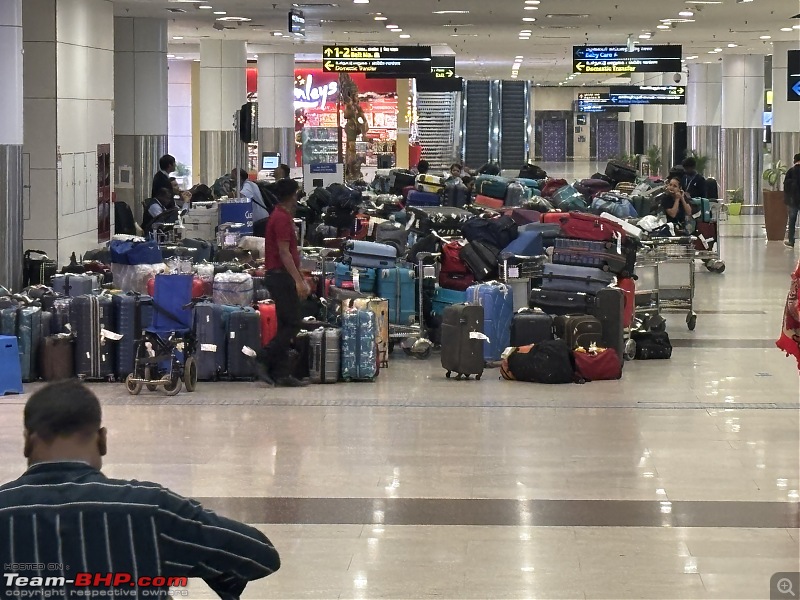
Airports in Disarray
Terminals overflowed, communication failed, and boarding areas became sites of protests and confrontations. Congested gates and delayed aircraft created cascading delays across India’s network, impacting even smaller regional airports.
With the latest crisis spinning out of control, the DGCA and civil aviation ministry intervened:
· It suspended some of the new night duty and rest rules specifically for IndiGo until early 2026
· Additional temporary exemptions were granted to allow training captains and inspectors to fly to fill pilot gaps
These moves were intended to stabilize operations but stirred debate about regulatory flexibility versus safety standards.
The DGCA deployed oversight teams to monitor IndiGo’s operations and crew rostering in real time.
The regulator also issued show-cause notices, warning of possible penalties and sanctions, and demanded a mitigation plan covering crew recruitment and scheduling projections.
In an unusual move, the DGCA terminated multiple inspectors responsible for oversight of IndiGo’s operations, signaling internal accountability for the regulatory lapse.
IndiGo’s CEO, Pieter Elbers, was also summoned to appear before the regulator to explain the crisis and management decisions.
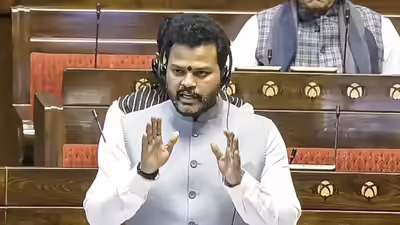
The aviation minister publicly called for structural reforms in India’s aviation sector — including the need for at least five airlines operating 100+ aircraft each to avoid system overload and reduce dependence on a single carrier. Measures in a nut shell were:
· Training captains allowed to operate commercial flights
· DGCA oversight teams deployed, show-cause notices issued
· Dismissal of inspectors responsible for oversight, CEO Pieter Elbers summoned
· Aviation minister called for structural reforms to reduce dependence on a single airline
· Temporary easing of some FDTL rules for IndiGo
Pilots’ Perspective
Pilot associations — including the FIP and ALPA India — argued the crisis was avoidable. They emphasized:
· The need for comprehensive pilot hiring and buffer staffing
· Better rostering practices
· Respect for fatigue management norms
· And fair compensation to attract and retain crew
They rejected claims that pilots were unwilling to work, pointing instead to systemic mis-assignment and scheduling failures that left legal crews unable to cover flights.
Unions stressed that the crisis was avoidable with proper staffing and scheduling. They demanded:
· Expanded pilot rosters and buffers
· Modernized rostering tools
· Fatigue compliance
· Competitive pay to retain talent
They rejected claims that pilots refused to work, pointing instead to legal duty-hour constraints.
Passenger Frustration & Digital Failures
Passengers faced opaque apps and websites, hidden fees, and confusing rebooking processes. These digital hurdles compounded physical disruption.
Recovery and Lessons Learned
IndiGo expects full normalization by February 2026 via:
· Accelerated pilot hiring
· Expanded training
· Enhanced rostering
· Gradual restoration of flights
The crisis has prompted discussions on mandatory pilot buffers, improved scheduling software, stronger passenger rights, and diversification of airline market share.
Timeline of the IndiGo Crisis
| Date | Event |
| Early 2025 | DGCA introduces FDTL revisions with a two-year implementation window. IndiGo’s pilot strength begins to decline amid a hiring freeze. |
| March 2025 | IndiGo has 5,463 pilots. Fleet expansion continues without proportional crew growth. |
| July–October 2025 | Pilot unions warn of potential scheduling issues under new FDTL. Peak winter travel planning begins. |
| November 1, 2025 | New FDTL rules fully enforced. Immediate gaps appear in pilot availability. Flight schedules begin to unravel. |
| Nov 2–15, 2025 | Daily cancellations increase; over 1,000 flights cancelled on some days. Bengaluru, Delhi, and Chennai hardest hit. Airports experience overcrowding, passenger frustration. |
| Nov 10, 2025 | DGCA grants temporary relaxation of night-duty rules for IndiGo; training captains allowed to fly. |
| Nov 12, 2025 | DGCA deploys oversight teams; show-cause notices issued. Multiple inspectors terminated for oversight lapses. CEO Pieter Elbers summoned. |
| Nov 16–30, 2025 | IndiGo implements emergency measures: accelerated training, rostering changes, pilot hiring begins. Passenger complaints peak on social media. |
| December 2025 | Airlines and regulators begin phased recovery. Discussions on long-term reforms and crew buffer requirements intensify. |
| February 2026 (Projected) | IndiGo aims to restore full schedules, with enhanced staffing and new operational safeguards. |
Lessons from the Crisis
The IndiGo meltdown is a case study in how structural weaknesses collide with regulatory change:
· Hyper-lean staffing can fail under new safety rules
· Efficiency without flexibility is brittle
· Dominance of a single carrier increases systemic risk
· Balanced planning, digital readiness, and crew buffers are essential
Ultimately, the incident will shape future airline strategies, regulatory policies, and passenger protection frameworks in India.