“Stop unfounded character judgement,” say pilots; Since 2018, airline major Boeing has been under public scrutiny following safety gaps exposés by whistle blowers, regulatory probes and two 737 Max crashes. Accusations against it include “pressures to meet production goals at the cost of engineering safeguards” and attempts to “cover-up”.
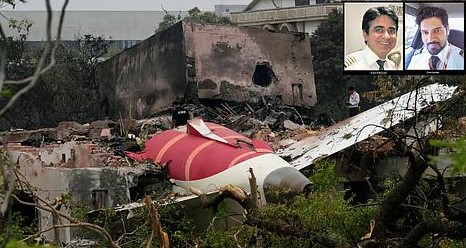
Ever since the preliminary report by the Aircraft Accident Investigation Bureau on the unfortunate June-12 Air India crash, there has been anger and disbelief with pilots’ bodies slamming the bare hint on pilots’ actions.
Adding to it now is now a very focussed report emerging from the US, targeting senior pilot Sumeet Sabharwal and his mental health even though the investigations are far from over.
In India two groups of commercial pilots have already rejected claims that human error was the reason behind the crash that killed 260 people following the preliminary investigation that the aircraft’s engine fuel switches had been turned off. The Wall Street Journal report suggestion that Sabarwal may have cut the fuel flow to the engines has only added to their anger
The report, citing US officials’ early assessment, claims “the first officer who was flying the Boeing 787 Dreamliner asked the more experienced captain why he moved the fuel switches to the cutoff position seconds after lifting off the runway”.
This observation is in direct contrast with the AAIB report that merely mentioned that fuel switches moved from “run” to “cutoff” without assigning blame to anyone
The Indian Commercial Pilots Association (ICPA) and the Airline Pilots’ Association of India (ALPA India), which dismissed the AAIB report, slammed the US media report saying there was no reason to support the claims that Captain Sabharwal may have been under stress.
“Stop this unfounded character judgement,” they say, promising action against those responsible.
“It (AAIB report) is only very preliminary and detailed investigations are examining all possibilities, including technical glitches, manual error, and other system malfunctions,” they add
Government sources have also dismissed the observations of the US media, saying that the conversation between the two pilots cannot be twisted to claim that the fuel control switch was deliberately turned off by the senior pilot.
The AAIB report is only based on preliminary findings and “one should not jump to conclusions” till the final report is released, the Federation of Indian Pilots (FIP) said, calling as “baseless” the Wall Street Journal’s report. “Nowhere in the AAIB report it was mentioned that the fuel control switch was turned off due to the pilot’s mistake,” they add
Why is the US media targeting Indian pilots ?
Since 2018, US airline major Boeing has been under public scrutiny following safety gaps exposés by whistle blowers, regulatory probes and two 737 Max crashes. Accusations against it also include “pressures to meet production goals at the cost of engineering safeguards” and attempts to “cover-up”.
According to the Wall Street Journal the cockpit recording of the last conversation between the two pilots indicated that the Captain cut off the fuel to the plane’s engine. It says that the first officer flying the Boeing 787 Dreamliner asked the more-experienced Captain why he moved the switches to the “cutoff” position shortly after the flight took off from the runway. The First Officer (late Clive Kunder) then expressed panic, while the Captain remained calm, as per the report
However, according to the report posted on AAIB website, “In the cockpit voice recording, one of the pilots is heard asking the other why did he cutoff. The other pilot responded that he did not do so.”
Notably, AAIB’s preliminary report does not mention any names
While Wall Street Journal maintained that the AAIB report did not say “whether turning off the switches might have been accidental or deliberate,” New York-based Intelligencer went a step further in the article ‘The Debate Over the Air India Crash: Was It Suicide?’ by Jeff Wise, a science journalist and private pilot.
The theory is based on a 2015 Germanwings Flight 9525 disaster, in which 150 people were killed. According to reports, the co-pilot may have intentionally crashed the plane in a suicide attempt, highlighting the importance of better understanding the mental health of commercial airline pilots.
The first officer, who had previously been treated for suicidal tendencies and declared unfit to work by his doctor, kept this information from his employer and instead reported for duty. Shortly after reaching cruise altitude and while the captain was out of the cockpit, the first officer locked the cockpit door and set the plane to fly downward in a controlled descent into a mountain.