In early 2024, a diplomatic row between India and the Maldives made headlines after controversial remarks by Maldivian politicians targeting Indian Prime Minister Narendra Modi’s visit to Lakshadweep. What began as a series of political jibes quickly escalated into a social media storm and eventually triggered a tourism-driven fallout. With India now actively promoting Lakshadweep as an alternative to the Maldives, the regional tourism landscape is undergoing a quiet yet significant transformation.
The controversy began when Maldivian ministers posted derogatory comments about PM Modi’s promotion of Lakshadweep as a domestic tourist destination. The remarks were viewed by many Indians as both disrespectful and diplomatically inappropriate.
What followed was a public and social media-driven backlash across India, with widespread calls to boycott the Maldives as a tourist destination.
In response, several Indian travel agencies reported cancellations of bookings to the Maldives, and many Indian celebrities and influencers endorsed Lakshadweep as a serene, untouched, and culturally rich alternative.
Capitalizing on the momentum, PM Modi shared photographs and messages highlighting the beauty and potential of Lakshadweep. With clear turquoise waters, coral reefs, and a less commercialized tourism structure, Lakshadweep suddenly emerged from relative obscurity into the spotlight.
This was not merely a travel suggestion—it was a soft power move. India’s renewed focus on developing Lakshadweep as a sustainable tourism hub sends a signal that it is both capable and willing to nurture its own island destinations without relying on foreign ones.
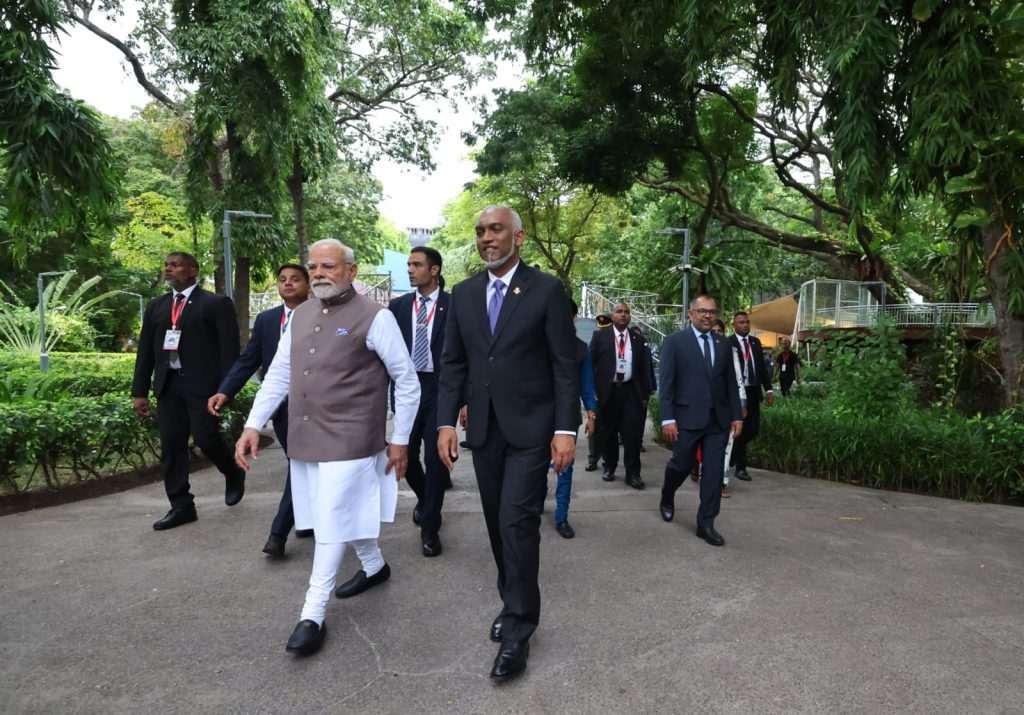
However, the recent visit of Prime Minister Narendra Modi to Maldives and signing several MoUs to boost bilateral ties could change the situation with the tourism industry of both the nations.
Aakarsh Gupta, Executive Producer, Nas Daily believes that PM Modi’s recent visit to the Maldives signals a clear diplomatic reset.
“I think it will definitely revive Indian tourist confidence. I’m actually planning my next visit there soon, and I won’t be surprised if many others follow,” he added.
He said that Lakshadweep did get a moment in the spotlight after the conflict and that’s great for Indian tourism. But until there’s serious investment in connectivity, stays, and ease of travel, it won’t replace the Maldives.
“The Maldives has spent decades building an ecosystem that welcomes global tourists. Lakshadweep is just getting started. So yes – Modi’s 2025 Maldives visit will likely shift the spotlight back, and we’ll see Indian tourists returning in big numbers. And hopefully, it also pushes India to develop its own island gems more seriously,” Aakarsh added.
Meanwhile, according to a study conducted by NumroVani, Only 15 per cent of people who answered said they were likely to arrange a trip to the Maldives in the next six months. A big 62 per cent said they were hesitant or unwilling to travel to the location right now, mostly because they don’t trust the country, there have been recent political difficulties, and they think the Maldives isn’t ready to welcome Indian tourists now.
Sidhharrth S Kumaar, Founder, NumroVani said, “PM Modi’s trip to the Maldives is a good diplomatic move, but our data shows that Indian tourists aren’t rushing back just yet.”
“People are still apprehensive, and trust needs to be reestablished via real, long-term participation, not simply political symbolism. The mood right now is to wait, watch, and make smart choices,” he added.
The coming years will reveal whether this bold pivot yields sustained benefits or remains a symbolic move born of a diplomatic rift.