
The ambitious infrastructure project has sparked strategic and environmental concerns; According to the Environment Ministry, the project has been cleared after due consideration of potential environmental impacts on island ecology
Describing the ambitious Great Nicobar Infrastructure Project “a recipe for ecological and humanitarian disaster,” Congress leader Jairam Ramesh on Monday accused the Narendra Modi government of being “insistent and persistent” with the project despite risks involved.
“It is abundantly clear that the Great Nicobar Infrastructure Project is a recipe for ecological and humanitarian disaster. I have had a detailed exchange with the Union Minister of Environment, Forests, and Climate Change on this catastrophe but the Modi Govt is insistent and persistent,” Ramesh said, providing a link to his exchange with Union Environment Minister Bhupender Yadav
Ramesh said many professionals have continued to speak out against the project and pointed to a report that the “environmental impact study conducted for this project completely downplayed the earthquake risks. As the December 2004 tsunami demonstrated, such risks are for real. Moreover, there are other geodynamic sources of risk that cannot be brushed aside”.
According to the Environment Ministry, the decision on development of the Great Nicobar Island project had been taken after due consideration of potential environmental impacts on island ecology and taking into account the significant strategic, defence and national importance of the developmental projects.
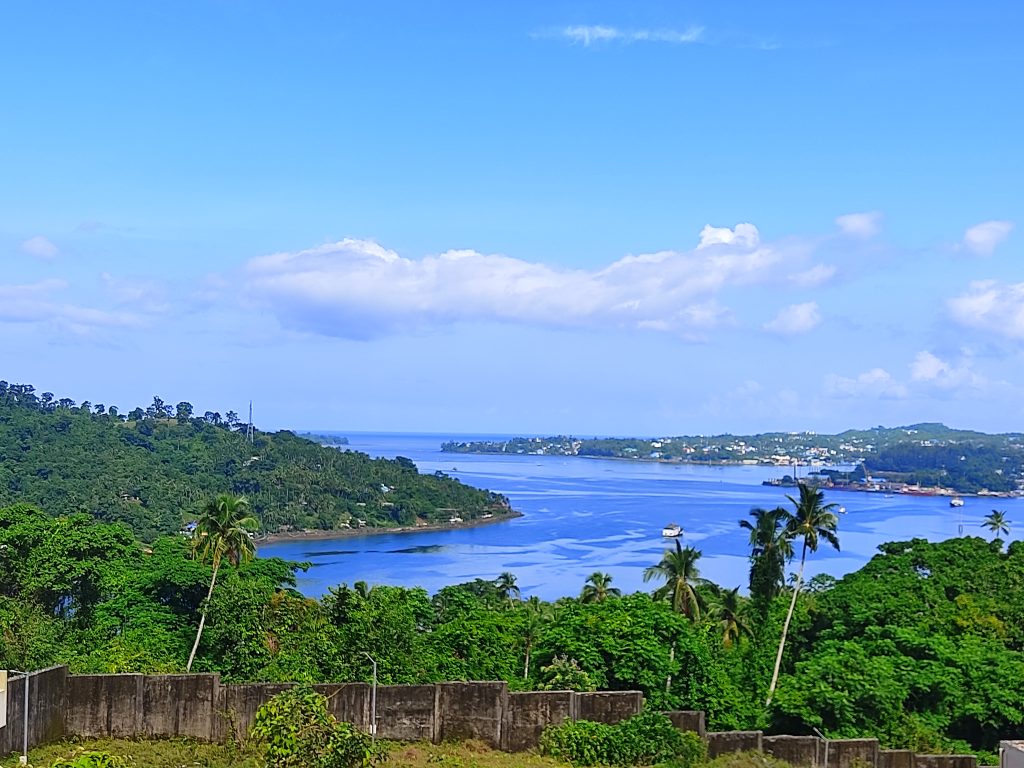
The Great Nicobar Project is a strategic infrastructure development plan for Great Nicobar Island in the Andaman Sea, aiming to establish a trans-shipment port, an international airport, a township, and a power plant.
Earlier this year Tribal Affairs minister Jual Oram told the Rajya Sabha that the government had not received any information about objections to the project, either raised by the tribal council of Great Nicobar Islands or documented in a video report by anthropologist Vishvajit Pandya.
Oram also said the project was in national interest and will not have any “environmental impact nor displace any tribals.”
“When the tsunami happened (in 2004), because the area was low-lying, they (the tribal communities) had problems and moved out…” he said, also adding that no one will get displaced.
Listing the steps taken, the Environment Ministry also told Parliament a couple of years back that “several studies were conducted to carry out the environmental impact assessment and studies regarding their consequent mitigation measures were undertaken by the top statutory and non-statutory bodies.
“A detailed scrutiny of the EIA/EMP report took place during the appraisal of the project by an independent Expert Appraisal Committee (EAC) having experts from the field of science and engineering. The Environmental Clearance accorded contains as many as 42 specific conditions dealing with each component of the project for the safeguard of marine and terrestrial biodiversity.
“Further, three independent Monitoring Committees to oversee the implementation of Environmental Management Plan is also prescribed in the Environmental Clearance letter namely (i) Committee to oversee pollution related matters (ii) Committee to oversee biodiversity related matters (iii) Committee to oversee welfare and issues related to Shompen and Nicobarese.”