Several wild animals feared displaced in north Bengal floods
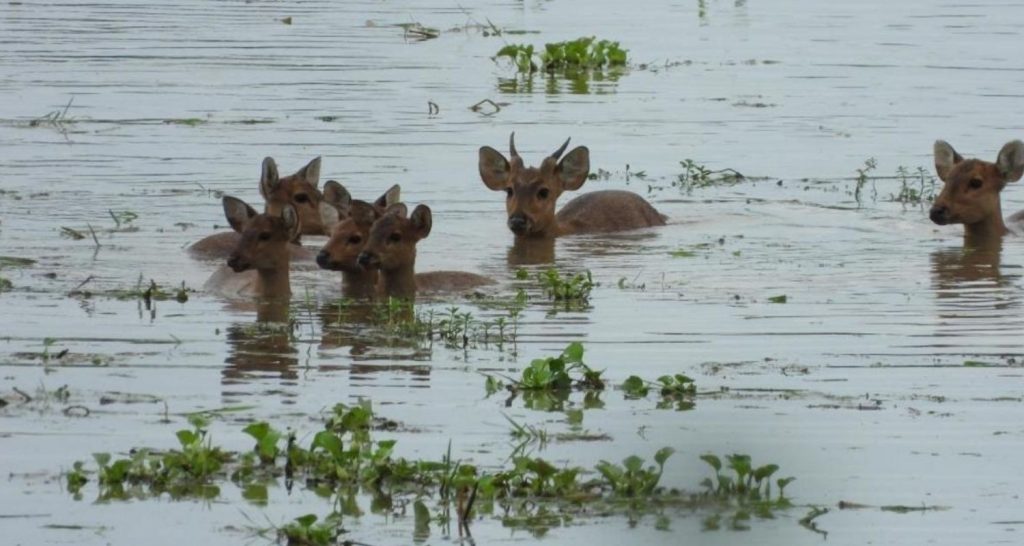
The sad part is, innocent wildlife and domestic animals are having to bear the brunt of humanity’s environmental mistakes, with climate change and intense weather events increasingly threatening them, especially the most vulnerable.
The devastating floods in Punjab not only wreaked havoc on human settlements but also caused immense suffering to animals—both domestic and wild—and more recently the floods in North Bengal caused devastating consequences for species like rhinos, leopards, Indian bison (gaurs), and elephants. According to reports, heavy rainfall, exceeding 300 mm in a single day, led to swollen rivers like the Mahananda, Jaldhaka, and Teesta, submerging forests, displacing animals and forcing them to flee into human settlements.
Fatalities reportedly include a rhino, and some other animals, including leopards, Indian bison (gaurs) and sambar deer, primarily from the Gorumara and Jaldapara areas. The floods also caused significant damage to forest infrastructure, including the collapse of bridges and roads, hindering rescue operations and trapping wildlife.
This crisis underscores the urgent need for comprehensive disaster management plans that include provisions for wildlife protection and habitat preservation. The loss of biodiversity in these regions highlights the broader environmental challenges posed by climate change and the importance of coordinated conservation efforts, experts say.
Particularly in the east, at risk are ecologically sensitive areas like Kaziranga National Park, Manas, and the Sundarbans. The floodwaters destroy grasslands—the main food source for herbivores—creating long-term challenges for wildlife recovery.
In the Sundarbans region, the floods, intensified by high tides and breached embankments, inundate mangrove forests, displacing tigers, crocodiles, and other species. Saltwater intrusion destroys freshwater sources, forcing animals to move deeper into human settlements, leading to a spike in man-animal conflicts. Many smaller species—reptiles, birds, and amphibians—are washed away or trapped in rising waters.
The fragile mangrove ecosystem suffered severe erosion, threatening breeding grounds and food chains and conservationists warn that repeated flooding events, driven by climate change, are endangering biodiversity in the region.
The recent floods in Punjab, which submerged vast stretches of farmland and villages, also left thousands of cattle, buffaloes, goats, and poultry being swept away or stranded without food and shelter. Many dairy farmers reported losing their livestock, which represent both livelihood and family for them. With grazing lands underwater and fodder supplies destroyed, surviving animals suffered from hunger and disease.
In wildlife areas like Harike Wetland and Beas Conservation Reserve, rising water levels reportedly forced deer, nilgai, and smaller mammals to flee to higher ground, often ending up near human habitation. Birds lost nesting sites, and fish populations suffered as silt and pollutants choked water bodies with floods again exposing the lack of preparedness for animal rescue in disaster management plans.