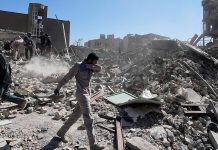
As tensions escalate with Iranian strikes impacting Gulf nations, the ripple effects are now disrupting not just oil supplies and economies, but also the education of thousands of Indian students abroad. The CBSE has a significant international presence, with over 240 affiliated schools across the Gulf region. These schools cater to tens of thousands of Indian and expatriate students, a large proportion of whom are enrolled in Classes 10 and 12.
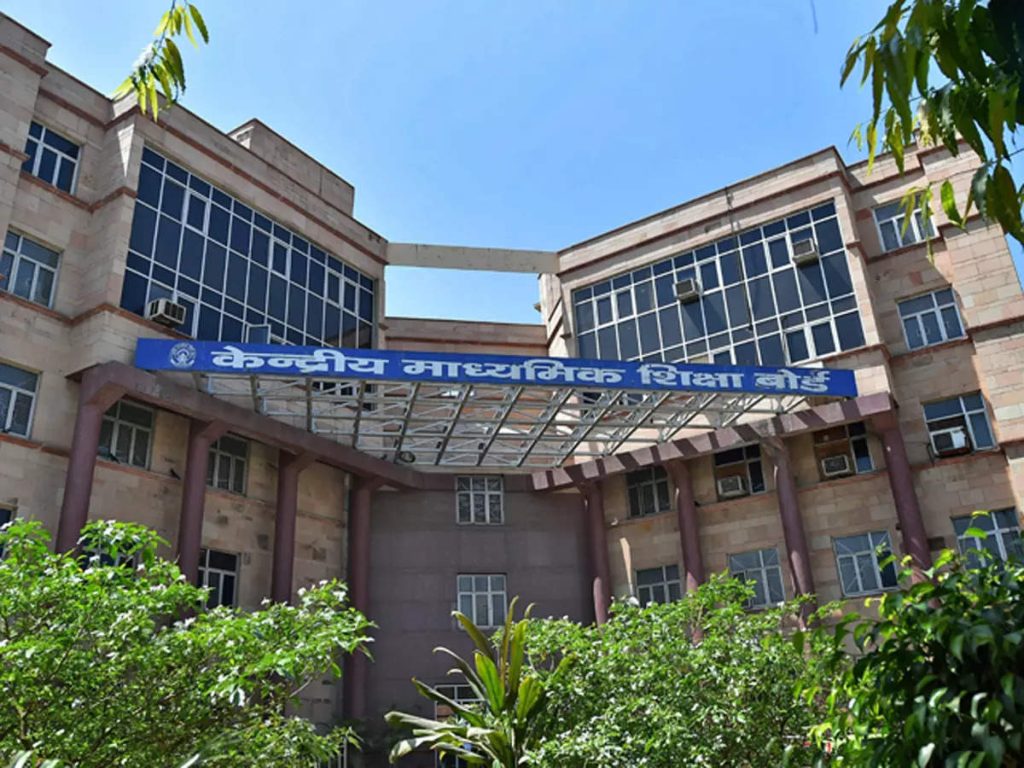
In a significant move, the Central Board of Secondary Education (CBSE) has cancelled Class 10 examinations across several Middle Eastern countries, citing safety concerns amid the worsening regional conflict.
The decision comes after a critical review of the volatile situation in nations including Bahrain, Iran, Kuwait, Oman, Qatar, Saudi Arabia, and the United Arab Emirates—regions that have witnessed heightened tensions and security risks in recent weeks.
With examination centres located in these areas facing uncertainty, CBSE officials opted for caution over continuity. However, the cancellation is only part of the story.
To ensure that students are not academically disadvantaged, CBSE has rolled out a detailed alternative assessment scheme. While specifics are being fine-tuned, the approach is expected to mirror adaptive strategies used during the COVID-19 pandemic, when the board shifted to internal assessments and hybrid evaluation models after physical exams became impossible.
Education officials indicate that the new scheme will likely consider students’ past academic performance, internal assessments, and school-based evaluations to determine final results. The aim is to maintain fairness while acknowledging the extraordinary circumstances.
For students and parents, the announcement brings a mix of relief and uncertainty. Relief—because safety concerns have been prioritised in a region witnessing instability. Uncertainty—because the absence of final exams raises questions about evaluation standards, college admissions, and future academic prospects.
Teachers across CBSE-affiliated schools in the Gulf are now preparing to adapt once again, revisiting a model many hoped had been left behind after the pandemic era. Schools will play a critical role in implementing the assessment framework, ensuring transparency and consistency across different countries.
Meanwhile, the broader implications of the decision underline a stark reality: global conflicts today are no longer confined to geopolitical arenas—they directly impact everyday life, including education.
As the situation in West Asia continues to evolve, CBSE’s response highlights the growing need for flexible education systems capable of withstanding global disruptions—whether caused by pandemics or geopolitical crises.
Officials indicated that the CBSE has introduced a multi-parameter evaluation model, drawing from precedents set during the COVID-19 pandemic, when board exams were similarly disrupted.
The proposed assessment scheme is expected to include:
- Internal assessments conducted by schools
- Periodic test scores and pre-board examination performance
- Project work and practical evaluations
- Moderation mechanisms to ensure standardisation across schools and countries
While CBSE has not publicly disclosed exact weightage distributions, officials confirmed that the framework is designed to maintain parity with students who are able to sit for examinations in India and other unaffected regions.
CBSE-affiliated schools in the affected countries have been instructed to:
- Submit student performance records within specified timelines
- Ensure uniformity and transparency in internal marking
- Provide documentation for audit and moderation by the board
School administrations are also expected to support students through the transition, particularly those concerned about higher education admissions and equivalence of results.