“Certain politically motivated individuals were not happy with the progress made under HPC has been trying to sabotage the dialogue process. The next meeting of High-Powered Committee has been scheduled on October 6 while meetings are also planned on September 25 and September 26 with the leaders from Ladakh”: Ministry of Home Affairs
The demands on which Sonam Wangchuk was on hunger strike are integral part of the discussion in High-Powered Committee has been scheduled on October 6, the Centre said after the violence in Leh, directly blaming the climate activist for “provoking and misleading” and “references to Gen Z protests in Nepal”
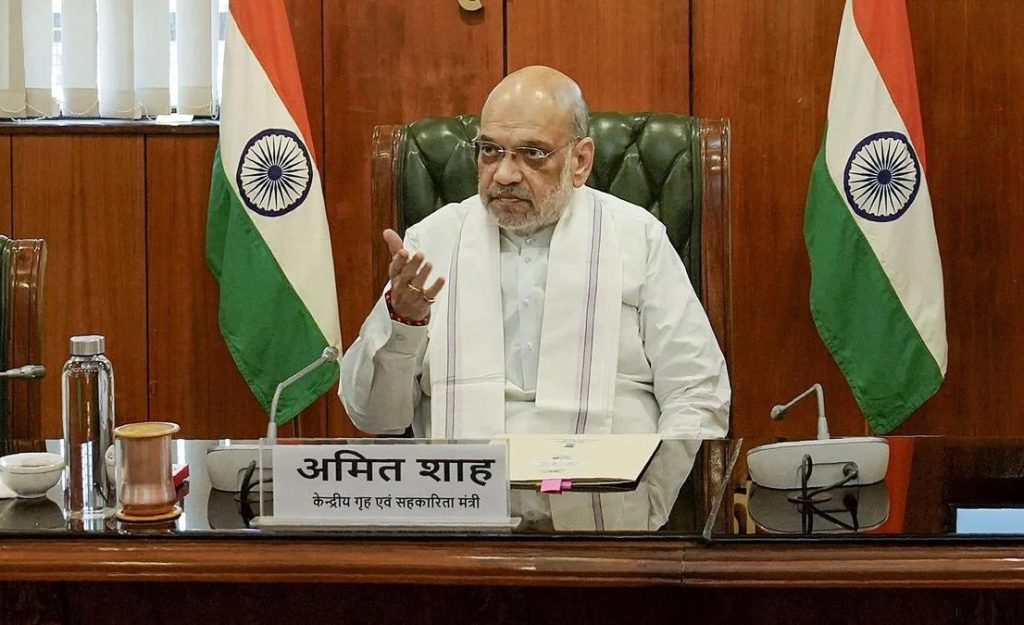
“In spite of many leaders urging to call off the hunger strike he continued with the hunger strike and misleading the people through provocative mention of Arab Spring-style protest and references to Gen Z protests in Nepal,” Amit Shah led Ministry of Home Affairs said in a statement posted last Wednesday. Amidst these violent developments, he broke his fast and left for his village in an ambulance without making serious efforts to control the situation, it also said, assuring committed to the aspiration of people of Ladakh by providing adequate constitutional safeguards.
According to the official statement the hunger strike was started by Sonam Wangchuk on September 10 stating the demand of sixth schedule and statehood for Ladakh even though the Government of India has been actively engaged with Apex Body Leh and Kargil Democratic Alliance on same issues. Series of meetings were held with them through formal channel of High-Powered Committee as well as Sub-committee and multiple informal meetings with leaders.
“The process of dialogue through this mechanism has yielded phenomenal results by increasing reservations for Ladakh scheduled tribe from 45% to 84%, providing 1/3 women reservations in the councils and declaring Bhoti and Purgi as official languages. With this process for recruitment of 1800 posts was also commenced.
“However, certain politically motivated individuals were not happy with the progress made under HPC has been trying to sabotage the dialogue process. The next meeting of High-Powered Committee has been scheduled on October 6 while meetings are also planned on September 25 and September 26 with the leaders from Ladakh”
The ministry said that demands on which Wangchuk was on hunger strike are integral part of the discussion in HPC. In spite of many leaders urging to call off the hunger strike he continued with the hunger strike and misleading the people through provocative mention of Arab Spring-style protest and references to Gen Z protests in Nepal.
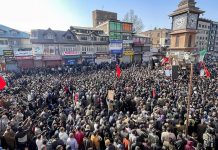
“On September 24, at around 11.30 am, a mob instigated by his provocative speeches left the venue of the hunger strike and attacked a political party office as well as Government office of the CEC Leh. They also put these offices on fire, attacked the security personnel, and torched police vehicle. The unruly mob attacked the police personnel in which more than 30 police/CRPF personnel were injured. The mob continued to destroy the public property and attack the police personnel. In self-defence, police had to resort to firing in which unfortunately some casualties are reported,” it added.
Barring unfortunate incidents that happened early in the day, the situation is brought under control by 4PM It is clear that the mob was incited by Shri Sonam Wangchuk through his provocative statements.
Cold desert Ladakh on Wednesday witnessed its worst violence in years, with the statehood agitation spiralling into arson and clashes, leaving four dead and at least 45 injured, including 22 policemen. The violence coincided with Wangchuk ending his fortnight-long hunger strike for statehood and Sixth Schedule protections.
“VERY SAD EVENTS IN LEH. My message of peaceful path failed today. I appeal to youth to please stop this nonsense. This only damages our cause,” Wangchuk posted along with a video in which he blamed Central government’s actions for the “Gen Z revolution” in Ladakh. Wangchuk said violence took place after the health conditions of two people on hunger strike turned serious and had to be hospitalised, triggering a wave of anger among the youth as the wanted to express their frustration. “This was a type of Gen Z revolution that brought people on the streets,” he said, blaming BJP-led Centre for not fulfilling promises to people