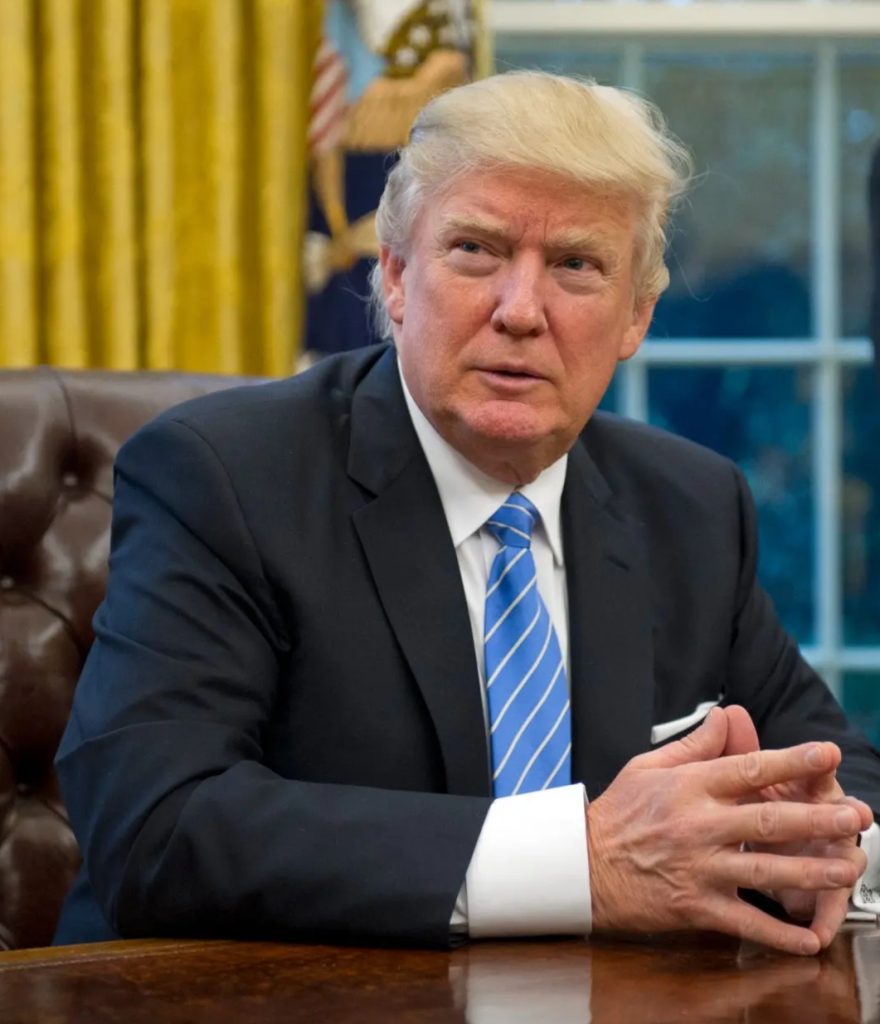
At first glance, the announcement by Donald Trump that Washington and Tehran may be inching back toward dialogue appears to offer a much-needed pause in a rapidly escalating conflict. Yet, beneath the surface, the latest developments reveal not a breakthrough but a fragile and uncertain recalibration shaped by mistrust, mixed signals, and shifting strategic realities.
Against this backdrop, Trump’s oscillation between threats and overtures only deepens the trust deficit. His warning to “obliterate” Iranian energy infrastructure, followed shortly by a decision to delay such strikes, exemplifies a pattern of brinkmanship that complicates serious diplomacy.
Our cover story, “Gulf test for India,” finds out that the stakes continue to rise with oil prices surging and the Strait of Hormuz remaining a flashpoint; the economic and geopolitical consequences of prolonged conflict are becoming harder to contain. Iran’s demonstrated capacity to retaliate across the region—from targeting energy facilities to striking strategic sites—has effectively neutralized any illusion of a quick military victory. The conflict has instead evolved into a costly stalemate, one that exposes the limitations of coercive strategy.
Trump’s recent climbdown, particularly his postponement of strikes on Iranian power plants, signals a tacit acknowledgment of these limits. Despite earlier claims of decisive success, the reality on the ground tells a different story: Iran retains both its military leverage and its strategic chokehold over vital shipping routes. This mismatch between rhetoric and reality raises critical questions about the coherence of U.S. policy.
Compounding the uncertainty is the lack of transparency surrounding the supposed talks. Conflicting narratives from Washington and Tehran fuel speculation that the diplomatic track may be less substantive, perhaps a tactical pause rather than a genuine effort at resolution.
Equally significant is the role of Israel, whose continued military operations threaten to derail any nascent diplomatic initiative. Without restraining its ally, Washington’s calls for de-escalation risk appearing hollow. Durable peace cannot be built on parallel tracks of negotiation and escalation.
Ultimately, the path forward demands clarity, consistency, and restraint. Complex conflicts rooted in decades of hostility cannot be resolved through impulsive deadlines or public posturing. If Trump is serious about ending the war, he must move beyond tactical manoeuvring and commit to a coherent diplomatic strategy—one that prioritizes sustained engagement over spectacle. In this high-stakes environment, diplomacy remains not just the best option, but the only viable one.
In this issue, the “Highway oil heist” investigation by Tehelka’s Special Investigation Team unravels the fuel-siphoning racket thriving in plain sight on key highways.