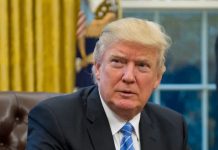
For decades, the H-1B visa symbolised upward mobility for Indian professionals. A sudden proclamation of $100,000 visa fee by President Trump has jolted the aspirants, sparking debate on whether India can reform, retain talent, and seize opportunity. A report by Vibha Sharma
In India, the H-1B visa has long been seen as a U.S.’ gateway to high-paying jobs and upward mobility, particularly for IT professionals, engineers, developers, doctors, and scientists—the educated class aspiring for a better life, living the big American dream. So, when U.S. President Donald Trump signed a proclamation imposing a $100,000 supplemental fee on new H-1B visa petitions, it sent shockwaves through not only aspirants but also Indian stock markets.
Championed by Trump as a protectionist measure to safeguard American jobs, the move was criticised by business groups and political rivals alike. Combined with U.S. tariffs on Indian goods and higher duties on Russian crude imports, the visa fee announcement spooked foreign institutional investors (FIIs). Overall, it was a situation not many had catered for or envisioned.
There are hopefuls who now argue that the difficulties—tariffs, H-IB etc—will push India to retain talent and accelerate Prime Minister Narendra Modi’s “Make in India” dream and plan. While it is good to be optimistic, the fact is these developments are neither an automatic game-changer nor a death knell, what they can be is a turning point that will test India’s preparedness to seize the moment— a true carpe diem test.
Visa hike move a protectionist idea?
The fact is the new fee is not an isolated measure but part of Trump’s broader strategy to prioritise domestic employment and curb foreign worker inflows. By attaching a prohibitive cost to H-1B petitions, the administration seeks to discourage employers from hiring abroad unless utterly necessary, thereby boosting opportunities for U.S. workers. Immigration lawyers, tech companies, and advocacy groups in the U.S. have called the move “reckless,” warning of unintended consequences for families already in the middle of the visa process and disruption for firms heavily dependent on foreign talent., but many Americans believe this step was long overdue.
It is true that every country has the right to recalibrate visa and immigration rules but the upheaval is also real—there are reports of families cancelling travel plans, firms recalculating costs, and young professionals distraught at their American dream slipping away. While the White House has clarified that the levy applies only to new applicants, not renewals or existing holders, the signal is unmistakable—the H-1B route will no longer be as easy or affordable.
Is there a silver lining?
An optimistic argument can be that the move will strengthen India’s domestic economy.
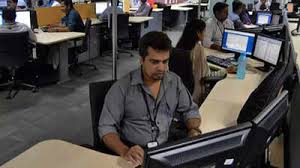
If U.S. firms hesitate to bring foreign talent stateside, they may expand operations in India instead, aligning with PM Modi’s “Make in India” vision. Already, multinationals from Apple to JPMorgan and Wells Fargo have expanded Global Capability Centers (GCCs) here, creating jobs and boosting R&D investments. A couple of days back, US-based HCA Healthcare inaugurated its GCC with plans to invest $ 75 million by the end of 2025 and employ 3,000 professionals by 2026.
A GCC is a strategic unit of an MNC that supports its global operations through technology, talent, and innovation. According to some experts, increasing uncertainty about US immigration policy can accelerate India’s rapid move towards GCCs and lift its share as total services exports. Emerging as a global hub for GCCs, projections indicate that by 2030, the number of GCCs in India will rise to between 2,100 and 2,200, with employment figures reaching up to 2.8 million.
Another possible upside is a slowdown in brain drain. For decades, India’s brightest minds have sought lucrative careers in the U.S. A $100,000 fee may now nudge them to build businesses, join start-ups, or pursue sunrise sectors such as AI, biotech, renewable energy, and space tech at home. But the narrative risks oversimplification—retaining talent requires providing better domestic opportunities, not just closing a door abroad.
Red tape and other issues
A few weeks ago, after Union Minister Piyush Goyal urged start-ups to pivot from food delivery and fantasy sports to sectors like semiconductors and AI, a semiconductor founder publicly criticised the government’s systemic inefficiencies. A former Intel engineer, he argued that India’s real bottlenecks lie in bureaucratic red tape, slow approvals, and unpredictable regulations—factors that push talent abroad in the first place.
The point is without fixing these systemic barriers, India may retain its skilled professionals only to under-utilise them. Yes, GCCs are booming but according to some analysts much of their work remains support-oriented. In other words, unless growth is channeled into core R&D, IP creation, and advanced manufacturing, India risks remaining an outsourcing hub rather than a global innovation leader.
Framing the $100,000 H-1B fee as an “opportunity in disguise” assumes that gains will flow automatically from restrictions, but it is a supposition not a guarantee. If fewer professionals migrate, India must also create high-quality jobs. U.S. firms may find India attractive today, but tomorrow they may become bullish on some other country because of favourable conditions being offered there—Vietnam, the Philippines or somewhere else. The fact is silver linings may also bring blind spots, for now only wealthy professionals and large corporations can afford the $100,000 route, which means that disparity will remain.
Another challenge may be the skills’ issue. Every year, India produces lakhs of engineering graduates but only some of them are truly job-ready in cutting-edge fields like robotics, biotech and AI. U.S. firms prize Indian workers not only for cost but also for quality.
‘Make in India’ pitch will be put to test
The only way forward is through domestic reforms—simplifying regulations, upgrading infrastructure, investing in reskilling, easing access to capital, and normalising entrepreneurial risk.
One must understand that the $100,000 H-1B fee is not designed to empower India, it is rooted in U.S.’ domestic politics, therefore the consequences—whether it is trade tariff or visa fee or anything else Trump chooses to do in the future—will depend on India’s response. If India seizes the moment—coupling reforms with infrastructure upgrades and workforce development—it could turn adversity into opportunity, a true “aapda mein avsar.”
Coming years will test “Make in India”, whether momentum accelerates beyond metros to cities like Jaipur, Kochi, and Chandigarh with talent retention as a by-product, whether Indian professionals who might once have left for the U.S turn to start-ups at home, join deep-tech ventures, or explore sunrise sectors—AI, renewable energy, and space tech, fingers are crossed.