Trump is upset about India buying oil and arms from Russia; can he be placated with an expensive defence purchase? India already has six types of American-origin fixed wing aircraft and helicopters—Boeing C-17, Lockheed C-130, Boeing P-8I, Boeing Apache, Boeing Chinook, Lockheed MH-60R; Last year India also finalised a deal to purchase 31 MQ-9B Predator armed drones from US
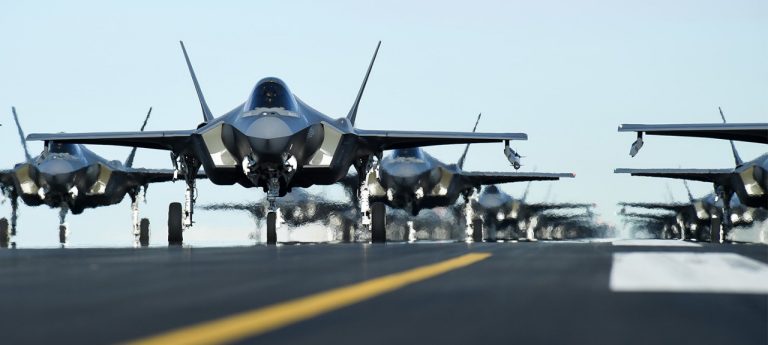
As India considers ways to find a middle path to tackle the 25 % tariff threat that can also keep US President Donald Trump in good humour, can expensive defence purchases like fifth generation F-35—the single-seat, single-engine, supersonic stealth multirole strike fighter designed and built by Lockheed Martin—be one of them. Trump’s imposition of tariffs and penalties on India may affect arms deals and American defence firms bidding for multi-billion-dollar projects in India, sources in know of developments say but in geopolitics things can change by a gesture.
Notably, responding to a question on the F-35, Minister of State Kirti Vardhan Singh on Friday told the Parliament that “no formal discussions have been held as yet on this issue.”
During Prime Minister Narendra Modi’s US visit in February, India and the US issued a joint statement saying the US “will undertake a review of its policy on releasing fifth generation fighters (such as F-35) and undersea systems to India”. Trump said “starting this year, we will be increasing military sales to India by many billions of dollars. We are also paving the way to ultimately provide India with the F-35 stealth fighters”.
Much has happened since then, including Trump’s tariff threats, which India on Friday brushed aside saying its relations with America has weathered many transitions and challenges and the relationship would continue to move forward. “This partnership has weathered several transitions and challenges,” Ministry of External Affairs spokesperson Randhir Jaiswal said responding to questions on Trump’s tariff and penalties on buying oil and weapons from Russia.
Clearly Trump is upset about India’s association with Russia though, as pointed out by Jaiswal, sourcing of our defence requirements is determined solely by our national security imperatives and strategic assessments.
India’s strategy
So far, India is strategically neither retaliating not responding on the issue publicly, however, sources in know of the developments say the government is keen to keep bilateral trade talks on track and is exploring options. Can increasing purchase of natural gas, communication or defence equipment—which seem to be close to Trump’s heart—be one of them.
So far the government has been stressing on partnership focused on jointly designing and manufacturing defence equipment. Barring a few exceptions, most military procurement projects, including fighter jets, transport aircraft, specialised vehicles and anti-tank systems, fall under the ‘Make in India’ initiative.
IAF and American aircraft
Phasing out of the MiG-21 fleet will leave the Indian Air Force (IAF) 13 squadrons short of its assessed requirement of 42.
The IAF currently operates 31 squadrons, and the retirement of the MiG-21s will reduce that number to 29.
India already has around six types of American-origin fixed wing aircraft and helicopters like Boeing C-17, Lockheed C-130, Boeing P-8I, Boeing Apache, Boeing Chinook, Lockheed MH-60R. India has also finalised a deal with the US to purchase 31 MQ-9B Predator armed drones for its armed forces. But a fact also is that apart from high cost, advanced US fighter jets like F-35 also do not align perfectly with a buyer country’s specific needs, say experts
But there are sectors like textiles, gems and jewellery that India may be worried about after tariffs kick in, can an expensive defence purchase be a way out. Trump thrives on optics, may have also called India “dead economy” but things can change. PM Modi had already invited Trump for the Quadrilateral Security Dialogue among the US, Japan, India and Australia scheduled later this year.