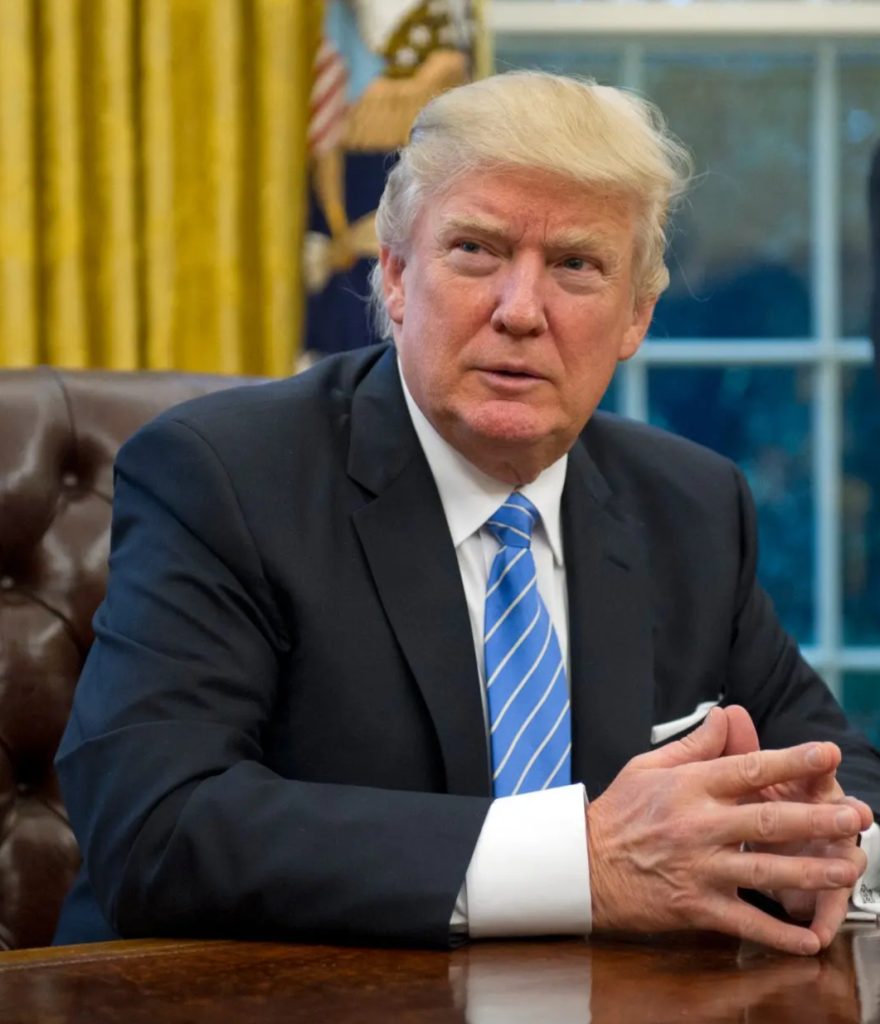
In a dramatic escalation of the ongoing Middle East conflict, U.S. President Donald Trump has issued a stark 48-hour ultimatum to Iran, threatening to launch strikes on the country’s power infrastructure if it fails to reopen the strategically vital Strait of Hormuz.
According to multiple international reports, Trump warned that the United States would “obliterate” Iran’s power plants—starting with its largest facilities—if Tehran does not fully restore maritime traffic through the narrow waterway within the given deadline.
The Strait of Hormuz is one of the world’s most critical energy chokepoints, handling nearly 20% of global oil and gas supplies. Its disruption has already sent oil prices soaring above $100 per barrel, raising alarm across global markets and heavily import-dependent countries like India.
For India, the situation is particularly concerning. India relies on the Gulf region for a significant share of its crude oil imports, and any prolonged disruption could translate into higher fuel prices, inflationary pressure, and volatility in financial markets.
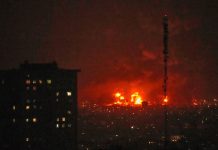
The ultimatum comes amid intensifying hostilities between Iran, Israel, and U.S. forces in the region. Recent weeks have seen missile strikes, air raids, and attacks on key infrastructure across multiple countries, pushing the conflict toward a wider regional war. Iran, for its part, has warned of retaliation against U.S. and allied assets if its territory is attacked, raising fears of a broader confrontation that could engulf the Gulf.
Several global powers, including European nations and Japan, have expressed concern over the blockade and signaled readiness to ensure safe maritime passage. However, there is no unified military response yet, highlighting divisions among Western allies.