Although the tariff currently targets only branded drugs, it signals a broader shift toward protectionist trade policies that could have far-reaching implications
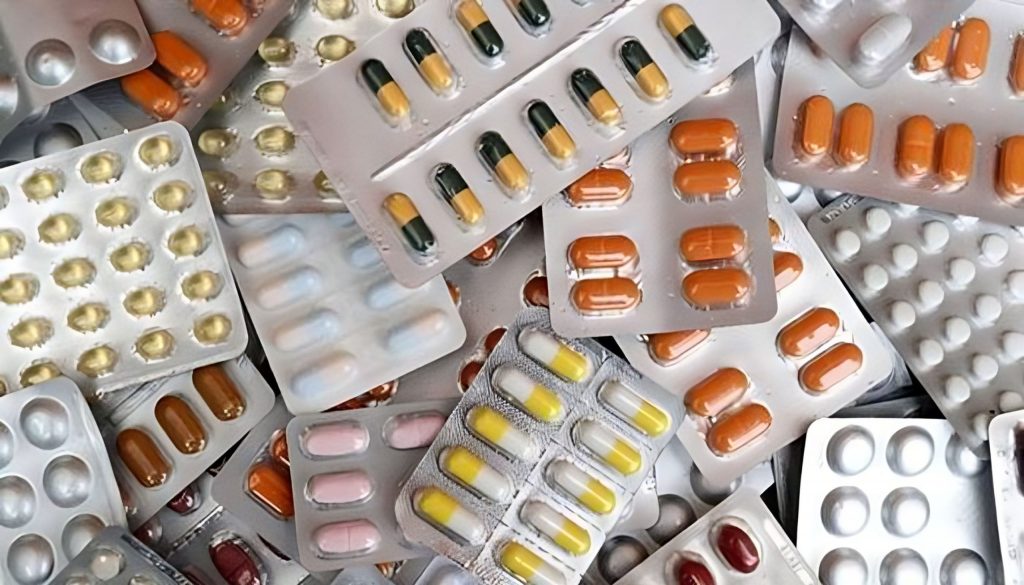
U.S. President Donald Trump has announced a sweeping 100% tariff on imported branded and patented pharmaceutical drugs—unless the producing companies have active manufacturing facilities within the United States. The measure, aimed at boosting domestic production and reducing dependency on foreign imports, will take effect from October 1, 2025.
“Starting October 1st, 2025, we will be imposing a 100% Tariff on any branded or patented Pharmaceutical Product, unless a Company IS BUILDING their Pharmaceutical Manufacturing Plant in America. ‘IS BUILDING’ will be defined as ‘breaking ground’ and/or ‘under construction.’ There will, therefore, be no Tariff on these Pharmaceutical Products if construction has started. Thank you for your attention to this matter!” Trump posted on Truth Social.
The directive applies strictly to branded and patented drugs. However, it has sparked global concern—especially in India, one of the world’s largest pharmaceutical exporters and a key supplier to the U.S. market. India accounts for over one-third of pharmaceutical drugs consumed in the U.S., primarily in the form of generic medications, which are currently exempt from the new tariff.
Despite this exemption, market reaction was swift: the Nifty Pharma index declined amid investor concerns over potential long-term impacts. Analysts cautioned that while generics remain unaffected for now, the policy could evolve, potentially targeting complex generics or specialty medications, which are essential components of India’s export portfolio.
Impact on Indian Pharma
Although the tariff currently targets only branded drugs, it signals a broader shift toward protectionist trade policies that could have far-reaching implications. The ambiguity surrounding complex generics and high-value specialty drugs has heightened uncertainty within the industry.
India remains the largest supplier of generic medicines to the U.S., accounting for more than 35% of all imports. Experts warn that if U.S. policy expands to cover more categories—particularly high-margin or essential medications—it could significantly affect India’s export revenues.
To mitigate such risks, Indian pharmaceutical companies may increasingly consider investing in U.S.-based manufacturing to secure long-term access to the market. The announcement also highlights the urgency for India to diversify export markets and pursue strategic trade agreements with key partners, including the U.S. and EU.