The US Court of Appeals for the Federal Circuit in Washington struck down the bulk of tariffs imposed under Trump’s “reciprocal trade” policy, ruling that the president did not have the authority to unilaterally tax imports under the statute invoked
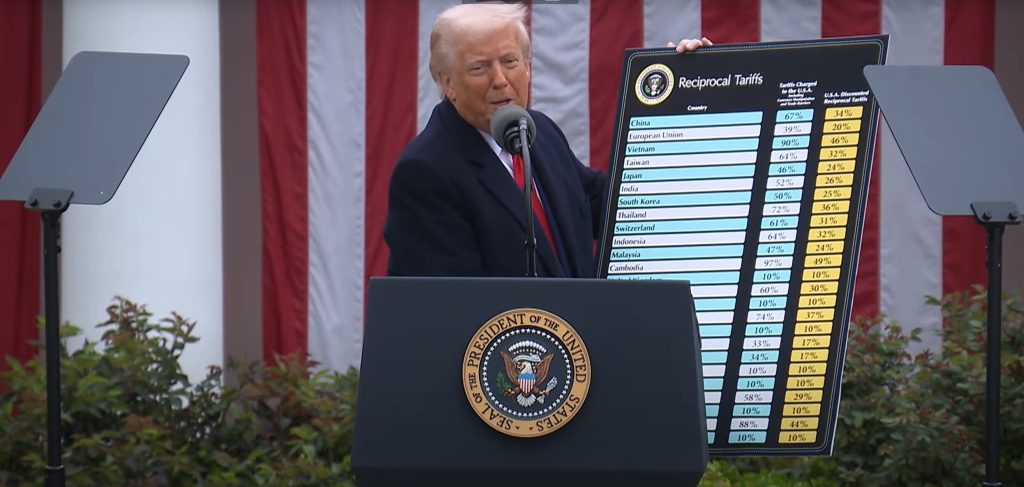
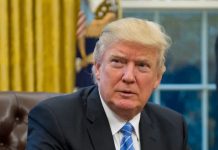
US President Donald Trump on Friday vowed to take his fight over trade tariffs to the Supreme Court after a federal appeals court ruled that most of his levies were unlawful.
The US Court of Appeals for the Federal Circuit in Washington struck down the bulk of tariffs imposed under Trump’s “reciprocal trade” policy, ruling that the president did not have the authority to unilaterally tax imports under the statute invoked. However, the court permitted the duties to remain in place until October 14, giving the administration time to appeal.
In a strongly worded statement, Trump rejected the ruling and signaled no retreat. “ALL TARIFFS ARE STILL IN EFFECT! Today a highly partisan Appeals Court incorrectly said that our tariffs should be removed, but they know the United States of America will win in the end,” he said. He warned that eliminating the levies would “literally destroy the United States of America” and make the nation “financially weak.”
“If these Tariffs ever went away, it would be a total disaster for the Country…The U.S.A. will no longer tolerate enormous Trade Deficits and unfair Tariffs and Non Tariff Trade Barriers imposed by other Countries, friend or foe, that undermine our Manufacturers, Farmers, and everyone else. If allowed to stand, this Decision would literally destroy the United States of America…For many years, Tariffs were allowed to be used against us by our uncaring and unwise Politicians. Now, with the help of the United States Supreme Court, we will use them to the benefit of our Nation, and Make America Rich, Strong, and Powerful Again! Thank you for your attention to this matter”, he wrote
Trump finds support
His aide Mark Levin wrote that the appellate court majority that ruled against most of the President’s tariffs “has it wrong”.
“Whether you like tariffs or not, the act at issue does, in fact, grant the president broad powers to declare an emergency. Even more, the Constitution, under Article II, grants the president broad powers to make foreign policy. The President’s lawyers are obviously aware of this, which is why the executive orders at issue rely, in part, on serious foreign policy considerations, including, as an example, Mexico, Canada, and China, which the president has determined are not doing enough to prevent the flow of deadly drugs into our country,” he wrote
What court said
As per the court, Trump unlawfully used the International Emergency Economic Powers Act (IEEPA) to justify tariffs on countries including China, Mexico, and Canada. It said that IEEPA, enacted in 1977 to manage national emergencies, does not give the president the power to impose taxes, including tariffs, which it called “a core Congressional power” under the Constitution.
The ruling upholds a lower court decision and specifically strikes down Trump’s “Liberation Day” tariffs and other levies announced earlier this year. However, the court allowed the tariffs to remain in effect until October 14, giving the administration time to appeal to the Supreme Court.
Trump argued that the duties were essential to counter unfair trade practices and to pressure foreign governments into renegotiating trade deals. However, as per the judgement: “The statute bestows significant authority on the President to undertake a number of actions in response to a declared national emergency, but none of these actions explicitly include the power to impose tariffs, duties, or the like, or the power to tax.”
Tariffs imposed under separate laws — including those on steel and aluminum imports — remain unaffected by Friday’s decision. Business groups and Democratic lawmakers welcomed the judgment, arguing that tariffs had increased costs for American consumers and fueled global trade tensions. But Trump and his Republican allies insist the measures strengthened US industries and gave Washington leverage in trade negotiations.