A Tehelka SIT report exposes an organised petrol-diesel racket along highways in Haryana’s Mewat, where fuel is siphoned from tankers, stockpiled and sold for profit, as operators allege police complicity and eye windfall gains amid prevailing global tensions.
It was around 10 am on February 12, 2026, when we left Delhi by road for Jaisalmer, Rajasthan, in pursuit of an investigative story. The journey typically takes 13–15 hours. Given the long distance, we decided to halt overnight in Jodhpur before proceeding to Jaisalmer the next morning.
Jaisalmer lies roughly 770–800 km from Delhi, and most travellers prefer a train or a flight to cover such a stretch. We, however, chose the road deliberately, hoping to pick up stories along the way—something not possible by air or rail. We took the Delhi–Mumbai Expressway from Kalindi Kunj, maintaining a steady speed of 100 km per hour.
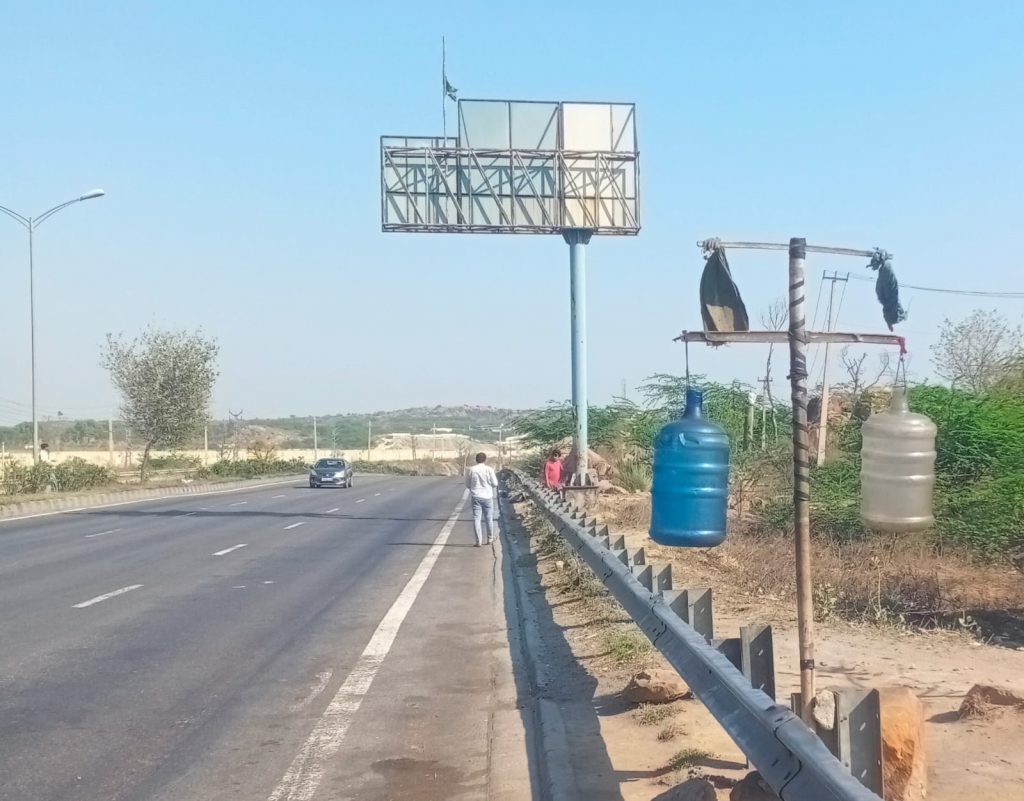
Within an hour, we reached Nuh district in Haryana’s Mewat region. As the Aravalli hills came into view, something unusual caught my eye—rows of 20-litre water bottles hanging in pairs on both sides of the road, stretching for nearly five kilometres.
Curious, I asked our driver about them. His answer was unsettling. The bottles, he said, were used to siphon diesel from trucks plying on the highway. Our decision to travel by road had already paid off—we had stumbled upon our first story. The driver added that this practice had been going on for long, with stolen diesel sold cheaply in the open market.
The ongoing war involving the US, Israel and Iran has raised fears of a serious global oil crisis. But for the highway operators we spoke to, it is a windfall opportunity—one they plan to exploit by siphoning, hoarding and selling fuel at even higher prices.
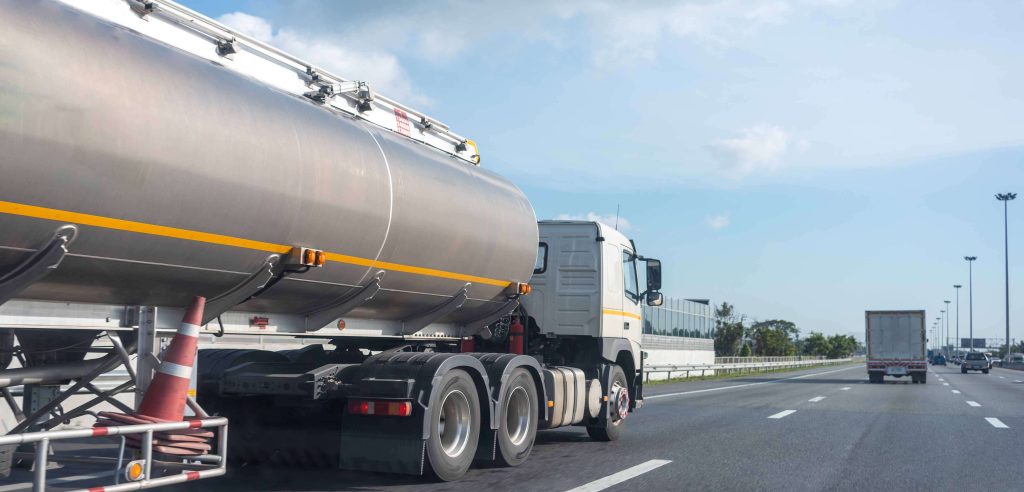
“We are pilfering oil from tankers carrying fuel from depots to petrol pumps. But they give us only 200–300 litres in one trip. We need 1,500 litres at one go. The tanker drivers themselves bring their vehicles to us for oil extraction. How they manage the deficit in their tanks, I don’t know,” said Aarif, a member of the highway fuel racket, to Tehelka’s undercover reporter.
“The 20-litre water bottles you see hanging along the highway are used to siphon diesel from trucks and tankers through pipes. The fuel is then stored in large containers and sold in the open market,” Aarif added.
“Truck drivers themselves are coming and selling diesel to us from their trucks. There is no fixed time when they come, but they sell diesel to us at the rate of Rs 75 per litre. From one truck, we draw 25–30 litres of diesel,” added Aarif.
“You don’t have to worry about the police. We stay close by on the highway while diesel is extracted from the truck by inserting a pipe into the tank. We are paying money to the local police to ensure they look the other way,” Aarif told us.
“If you can provide us 1,000 litres of diesel from your truck, we will give you Rs 5 per litre as commission. So, on 1,000 litres, your commission would be Rs 5,000,” said Ram, Aarif’s partner, to Tehelka’s reporter posing as a transporter.
“Today is Holi, and we have collected around 500 litres of diesel so far. Sometimes, truck drivers sell more diesel during festivals. We take it at Rs 80 per litre,” said Taufiq, part of the illicit fuel racket, to Tehelka’s undercover reporter.
“If you want to buy diesel from us, you can. The cost will be Rs 80 per litre, and it will be pure. Whatever we steal from the trucks will be sold to you,” offered Taufiq.
“We are now storing diesel, not selling it, in anticipation of an oil crisis arising from the ongoing war between Israel-America and Iran. If diesel becomes scarce, we will then sell it at higher prices,” said Taufiq.
“Three to four months ago, I was also pilfering diesel from trucks at the rate of Rs 82 per litre. But I have stopped now because the police came and destroyed all the shops on both sides of the highway involved in this trade and selling the fuel in the open market,” said Shakir, another operator involved in fuel pilferage.
“Tanker drivers are illegally selling diesel to these operators, who then sell it to local consumers. Those paying high prices at petrol pumps are getting it cheaper here,” said Mubarak, a highway tea stall owner and a witness to these activities.
Amid the ongoing war involving America, Israel and Iran, these highway operators are hoarding diesel on a large scale so that, in case of any oil crisis, they can sell it in the open market at higher prices and earn big profits. These unscrupulous operators are operating along the Delhi–Mumbai Expressway near Nuh district in Haryana’s Mewat region. As one crosses Nuh near the Aravalli hills, rows of 20-litre water bottles can be seen hanging continuously on both sides of the road for nearly five kilometres.
On approaching these spots, one finds small tea shops selling items like pan masala, but these shops serve as a cover. Behind them, oil is siphoned from trucks and sold to interested buyers. Pipes hang around, and large containers used to store the stolen fuel are kept at these outlets.
This shocking fuel siphoning racket has come to light in Haryana, where organised gangs have been siphoning thousands of litres of petrol and diesel from tankers and trucks for years, allegedly without attracting the attention of the authorities—or perhaps with their tacit complicity.
To investigate further in the present war scenario, Tehelka carried out a probe into the organised network of fuel siphoning along highways. While returning from Rajasthan, we adopted a cover identity, claiming to own multiple trucks and be in the business of transporting fuel, and expressed our willingness to sell diesel and petrol to those involved in the racket.
We first approached Aarif in Mewat, who was sitting at his shop with oil pipes hanging around and large containers placed nearby. We asked him about the 20-litre water bottles hanging along the highway. Aarif told us they were his, hung along the roadside to signal that he was ‘buying’ diesel from trucks willing to ’sell’.
He further told us that truck drivers themselves come and sell diesel to him. In a nutshell, he admitted to procuring fuel from trucks in connivance with truck and tanker drivers.
In the brief exchange below, Aarif casually acknowledges ownership of the bottles hanging along the highway. The chat reveals a routine, almost open arrangement between drivers and local operators. What stands out is the ease with which the activity is described, suggesting it is neither hidden nor uncommon.
Reporter- Ye bottles to tumahare latak rahe hain?
Aarif- Haan, par ab na hai, truck wale hi detey hain.
Reporter- Accha truck wale de jaate hain tumhe diesel-petrol?
Aarif- Haan, truck wale de bhi debey.
[The chat points to a system where truck drivers willingly offload fuel to local illicit fuel operators. It emerges that this is not forced but mutually understood. Such ease raises questions about oversight.]
Aarif told the reporter that the water bottles hanging along the highway belonged to him and were used to draw diesel from trucks by inserting pipes into their fuel tanks. He said the collected diesel was then transferred into larger containers. Aarif added that the activity continues without fear, with trucks arriving even in broad daylight to supply fuel to those involved in the racket.
Reporter- Ye to cans chote padte honge tumhare, jo sadak par latka rakhe hain?
Aarif- Inme to nikale.
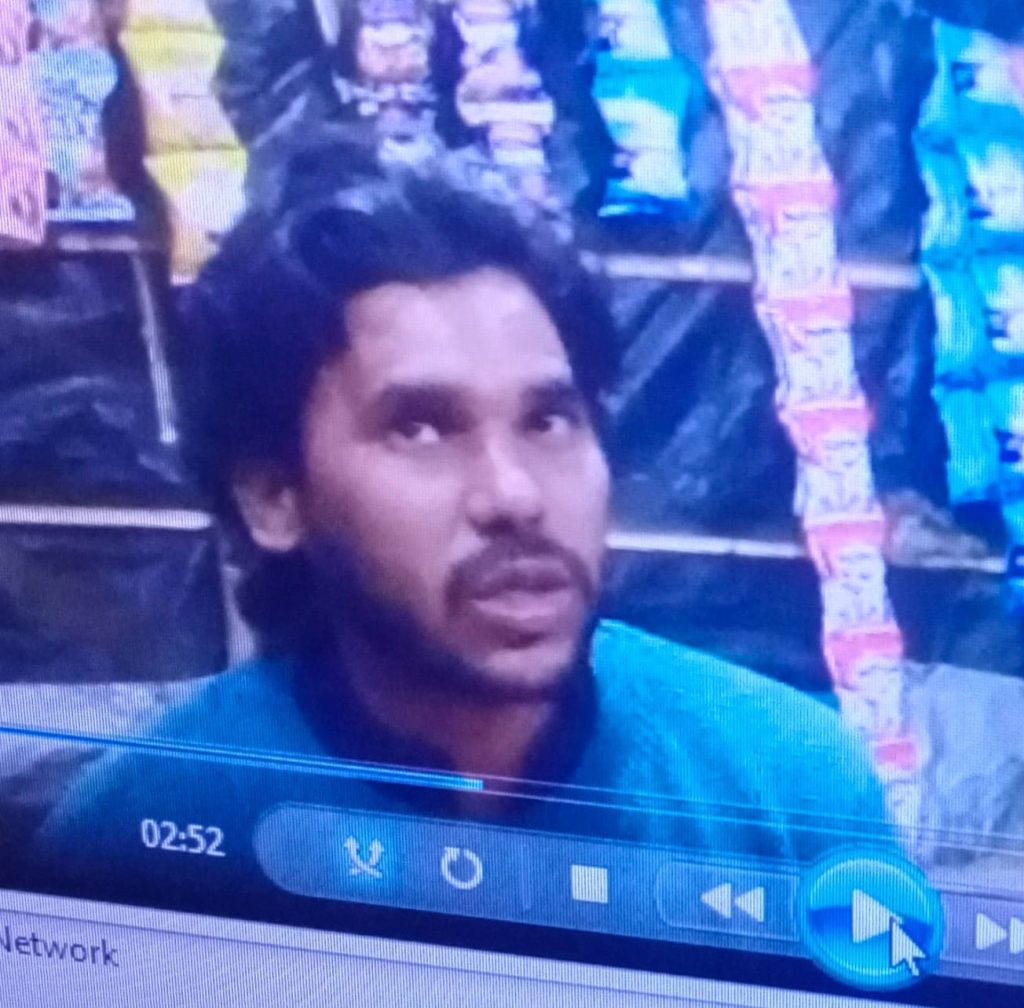
Reporter- To apni tanki se nikalte honge, to chote to nahi padte?
Aarif- Wo cans haigi; cans mein dal dein.
Reporter-Accha ismein nikal letey ho…kabhi bhi de jaaye.. din ho ya raat ho?
Aarif- Haan.
[Here, Aarif explains how fuel is drawn and stored using the cans hanging along the roadside. He indicates that the fuel is transferred into these containers without much difficulty. It emerges that timing is no barrier to this activity. The ease of operation points to routine practice. Such normalcy is a pointer to weak checks.]
We then offered Aarif a deal, saying we wanted to sell fuel to him from our trucks. He agreed and told us he buys diesel at Rs 75–80 per litre. Aarif added that, on a regular basis, he procures around 25–30 litres of fuel from a single truck each day.
Reporter- Accha hamare pass truck hain; agar hum tel dena chahe tumhe?
Aarif- Truck hain, koi dikkat na hain, aap de diyo…
Reporter- Diesel-petrol le letey ho, kya rate letey ho?
Aarif- Hum to diesel to aisey letey hain — 75-80.
Reporter- To tumhe kab de jaatey hain?
Aarif- Truck wale kabhi bhi de jayein.
Reporter- Kitna?
Aarif- 20-30-40 litres.
Reporter- Roz?
Aarif- Haan.
Reporter- 25-30 litre daily aa jaata hai tumhare pass?
Aarif- Haan.
Reporter- Ek truck se?
Aarif- Haan.
Reporter- To kitne trucks se le letey ho?
Aarif- Ye to gadiwale per hai, jis par bach jaaye wo de jaate hain, koi fix na hai, jinpe diesel ho, wo ger jaate hain.
Reporter- Raat mein, din mein, kabhi bhi?
Aarif- Haan.
[Here, Aarif explains that there is no fixed source, as drivers bring whatever excess fuel they have. The chat points to a loose but regular supply chain based on driver discretion. It emerges that small amounts from many trucks keep the flow going. This makes the activity harder to track.]
In the segment below, Aarif shows readiness to handle a much larger quantity of fuel. Aarif told us to supply him with 1,000 litres of diesel daily, which he said he could easily purchase. He added that he would buy it at Rs 75 per litre, amounting to Rs 75,000 a day, with payment made in cash.
Reporter- Wo kitna le jaate hain roz?
Aarif- Diesel ke opper hai, aap to hame de do …1000 litres.
Reporter- 1000 litres le logey roz?
Aarif- Haan.
Reporter- 1000 litres kitne ka ho jayega?
Aarif- 1 litre 80 ka bhi hua, 75 -80 lebein hum.
Reporter- 75 hazar rupaiya daily?
Aarif- Aap diesel dogey to mein paise dunga.
Reporter- Mein wahin to keh raha hoon, 75000 rupaye daily dogey tum hame?
Aarif- Haan.
Reporter- Theek hai phir.
[The exchange indicates the operator’s capacity to absorb large volumes on a daily basis as Aarif agrees to take up to 1,000 litres a day and discusses the rate he would pay. The exchange suggests an operation that can scale up without hesitation.]
We then asked Aarif what our benefit would be if we supplied him fuel regularly, mentioning that “our trucks”—as part of our transporter cover—ran 10–15 trips daily between Delhi and Jaipur. Aarif said he would take good care of us. He assures a margin if fuel is supplied to him regularly. He further revealed that he supplies diesel to farmers in Uttar Pradesh and Rajasthan, who obtain it at lower rates. He added that some trucks also use the fuel sourced from him. Such spread shows how the network quietly expands across areas.
Reporter- Tel dilwa diya karenge, hamara kya fayda hoga usmein?
Aarif- Wo tum lekar aaoge, tumhara fayda kar denge.
Reporter- Kitna le saktey ho.. 100-200 litre? 10-15 gadi daily jaati hai, Jaipur up down karti hain…
Aarif- Koi dikkat na hai, hamara to dekho Shamli mein hai, kheti badi de debey hum jo hamare Rajasthan wale hain na, wahan tel mehnga hai, wo tel le jaave 2-4 rupay ka unko fayda ho jaata hai…
Reporter- Tumse Rajasthan wale bhi le jaate hai, kheti wale kisan bhi?
Aarif- Haan, kuch gaon mein truck mein bhi daal dein.
Reporter- Wo le jaate honge kisan tumse Rajasthan wale?
Aarif- Haan.
[The chat highlights how profit is used to draw in suppliers. It emerges that volume is key to earnings. Besides, it points to a chain that goes beyond local sale as Aarif reveals that the fuel is moved further to Rajasthan, where prices are higher. This creates steady demand. The exchange shows a wider network, linking local operators with buyers across regions, including farmers.]
We almost finalised the deal with Aarif. Under the arrangement, we would supply him with 1,000 litres of diesel daily at Rs 75 per litre. Our truck would park along the highway, from where Aarif and his colleagues would insert a pipe and draw the fuel. He added that the process could be carried out at any time of the day.
Reporter- Diesel kya upper se logey aap — highway se, ya neeche aana padega?
Aarif- Hum to highway se nikalengey jahan aapki gadi khadi hai na — pipe daalo tel nikalo.
Reporter- Theek hai. Din mein, raat mein, kabhi bhi nikalo, koi dikkat to nahi hain?
Aarif- Nahi.
Reporter- Koi bhasodi to nahi hai, pata chale kabhi dikkat ho jaaye?
Aarif- Nahi nahi, aap baat kara do, koi baat nahi, aapki commission de denge.
Reporter- Tumhara number le liya hai, mera chala gaya hoga tumhare pass.
[Here, Aarif explains that fuel can be drawn directly from trucks parked along the highway using a pipe. It emerges that access and timing pose no hurdle. He also downplays any risk and offers commission for facilitating the deal. The offer of commission points to organised roles. Such ease suggests weak monitoring on busy highways.]
Aarif then assured us there would be no trouble with the police. He said he himself would stay close by on the highway while diesel is extracted from our truck, emphasising that the police would turn a blind eye, as they are paid to do so.
Reporter- Koi tension to nahi hai, police wale aa jaayein?
Aarif- Koi dikkat na hai…
Reporter- Police wale aa gaye to setting aap karogey na?
Aarif- Wo hamari hai na, tel nikaltey waqt khade ho jayenge hum, kuch na bolengey.
Reporter- Policewale bhi to le hi rahe hongey tumse?
Aarif- Haan.
[As our reporter raises concerns about police interference, Aarif dismisses any such risk and indicates that arrangements are in place during the process. The chat points to clear assurance of protection. It emerges that enforcement is compromised at some level]
While we were speaking to Aarif, his partner Ram, who runs a liquor shop next to Aarif’s shop, joined us and offered a deal. Ram proposed a commission of Rs 5 per litre. He said that if we sold them 1,000 litres in a day, our commission would be Rs 5,000 per day.
In the below exchange, Aarif and Ram explain the commission structure for supplying fuel. They offer a fixed margin per litre and assure that payments will be smooth and direct. They also indicate that the arrangement does not depend on a single person, as anyone in the network can handle it. The exchange further shows how fuel is collected using cans and bottles of varying sizes.
Aarif- Jaise aapki gaadi tel degi hame, 40 litre tel degi hame, to uspe aapko hum 100-200.
Ram (interjects)- 5 rupiye apka commission milao, jaise 75-80 hai to 5 rupiya aapka.

Reporter- Jaise?
Ram- Jaise aapse baat ho gayi hamari Rs 75 ki, aap 5 rupaye commission rakho.
Reporter- 1 litres par 5 rupaye commission?
Ram- Aapko 5000 rupaye seedhe pad rahe hain.
Aarif- Aapka 5 rupaye commission hai, chahe 10 de, 20 litre de..
Reporter- Jaise Aarif nahi mila to aap milogey.
Ram- Koi bhi miley.
Reporter- Kal ho jayega.. kal?
Ram- Aap phone karke bata dena hamari gaadi hai, aap nikal lo, aapke 5 rupaye se paise pahuch jayenge, baat khatam.
Reporter (pointing towards cans placed nearby)- Ismein letey hogey tum?
Aarif- Ismein bhi le letey hain, bottle bhi hain, jaise 25 litres ki.
[The chat explains how suppliers benefit from the arrangement, which, it emerges, does not depend on any single individual, as anyone in the network can handle it. It also shows how fuel is collected using cans and bottles of varying sizes.]
Aarif also told us that he procures fuel from oil tankers transporting it from depots to petrol pumps, in connivance with tanker drivers. According to him, tankers en route often stop by to offload fuel, supplying him with around 200–300 litres in a single trip. How these drivers manage the resulting deficit in their tanks, he said, is not known to him. Aarif added that he requires at least 1,500 litres from a single tanker and asked us to connect him with any tanker operators willing to sell fuel.
We had first spoken to Aarif before the conflict between America–Israel and Iran broke out. After hostilities escalated, on March 4, 2026, coinciding with Holi, we returned to Mewat via the Delhi–Mumbai Expressway to assess the situation amid fears of fuel shortages due to disrupted Gulf supplies. As before, our car stopped near the Aravalli hills, where several operators were seen with 20-litre bottles hanging nearby. We met with one such operator, Taufiq, who told us they were currently stockpiling diesel rather than selling it, anticipating supply disruptions and higher prices. He said that on that day alone, he had procured around 500 litres since morning.
We also offered Taufiq a deal, saying we wanted to sell diesel to him. He told us he was buying at Rs 80 per litre and expressed readiness to purchase up to 1,000 litres from us.
In the following chat, Taufiq shares the quantity of fuel he has received during the day, noting that volumes can vary even during festivals. He explains that supply depends on trucks arriving intermittently. He also states the rate at which he is willing to buy diesel. The exchange ends with his readiness to take in large quantities without hesitation.
Reporter- Tum yahan highway par kitne de detey ho, kitne trucks se tel le letey ho roz?
Taufiq- Ab aaj kareeban aa gaya hoga 500 litres tel.
Reporter- Aaj 500 litre aa gaya?
Taufiq- Zyada aa gaya hoga.
Reporter- Tum to keh rahe they tyohar hai, Holi hai, kahan se aayega?
Taufiq- Koi koi gadi aa jati hai, kuch tyohar ke mare zyada bechtey hain, ab kal nahi.. parson aayega.
Reporter- Kaise logey kaise humse?
Taufiq- 80 rupaye (per) litre lenge.
Reporter- Zyada lo yaar.
Taufiq- Zyada, bottle se lenge to 80 rupaye litre lengey.
Reporter- 1 bottle 20 litre ki hai tumhari.
Reporter (continues) – 1000 litre de dein tumhe roz?
Taufiq- 1000 kya, kitna bhi de do…
[The chat shows that supply continues even during festivals. It also shows that demand remains steady and prices are fixed. Their readiness to take any quantity suggests the network can quickly scale up.]
Taufiq also agreed to sell diesel to us at a rate of Rs 80 per litre. In the excerpts below, Taufiq discusses both buying and selling rates of diesel, showing a gap in pricing at different points. He explains how containers are used in a way that increases the apparent volume. He also makes it clear that payments are strictly in cash, with no credit. The exchange reflects a mix of pricing tactics and handling methods.
Reporter- Aur jaise hame aapse khareedna ho diesel, kya rate dogey hame?
Taufiq- Aapko lagega 80 rupaye (per) litre ke hisab se.
Reporter- Matlab logey bhi 80 ka, aur dogey bhi 80 ka?
Taufiq- Hum yahan gaon mein filhal 73 rupaye litre detey hain, 85 rupaye litre letey hain…
Reporter- Tumhara kya fayda ho raha hai ismein, zyada mein le rahe ho kam mein bech rahe ho ?
Taufiq-Ye cans hai 20 litres ki, ismein aa raha 40 litres hai.
Reporter- Aisa kyun?
Taufiq- Aisa hi hota hai, ek can 20 ki hai, usmein 25 aa raha hai.
Reporter- Paise sath-ke-sath, udhar nahi hoga.
Taufiq- Hmmm, udhar nahi hoga?
Reporter- Hame dogey kitna?
Taufiq- Rs 80 per litre.
Reporter- Diesel pure hoga?
Taufiq- Jo gaadi se niklega, wo hoga.
[The chat points to margins built through both price gaps and volume play. It emerges that basic methods help increase returns. Cash dealings keep it simple. Such practices show how profit is quietly built into the system.]
In the following dialogue, Taufiq explains how trucks stop on their own when they have fuel to offer. He says the time taken to draw diesel depends on the quantity available. He also assured us that we could sell our fuel to him without any fear.
Reporter (after seeing a truck approaching the shop) – Ye aa gaya tumhe dene ke liye?
Taufiq- Na, apne aap se rukta hai koi hota hai to, isko diesel dena hota to ruk jata.
Reporter- Kitni der mein nikal lete ho pipe daalkar aap?
Taufiq- Diesel ke hisab se hota hai.
Reporter- Koi dikkat to nahi hogi?
Taufiq- Na.
[The exchange presents a smooth and routine method of operation. Taufiq also assures that the process is carried out smoothly as he tries to allay our fears. The chat shows that supply is voluntary and time-efficient. Such ease suggests a system that runs with little disruption.]
In this chat, the reporter raises concerns about possible police action during the activity. Taufiq dismisses these fears and says there would be no problem. He suggests that the police focus on routine checks and not on such dealings. He also takes responsibility, assuring that everything would be managed.
Reporter- Koi dikkat to nahi hogi?
Taufiq- Na.
Reporter- Police ki?
Taufiq- Na, wo to challan dekhtey hai.
Reporter- Policewale kahin hame pakad lein, tumhe pakad lein? Koi dikkat to nahi hogi?
Taufiq- Na.
Reporter- Tumhari zimmedari hai.
Taufiq- Haan, bilkul.
[The chat shows a clear lack of fear of enforcement on the part of operators. It emerges that routine checks are seen as no barrier. The exchange reflects a strong sense of confidence. Such assurance points to gaps in monitoring.]
Tehelka met another operator, Shakir, on the same highway in Nuh, Mewat. We saw oil-extraction pipes and 20-litre water bottles hanging at his tea stall, but he said he had stopped taking fuel from trucks 3–4 months ago. When asked why, he told us that the police had dismantled such setups along the highway that were involved in this activity. The exchange also touches on earlier rates and how the practice once ran along the highway.
Reporter- Bottle to tang rakhi hai tumne, pipe bhi tange hain?
Shakir- Letey nahi hain ji.
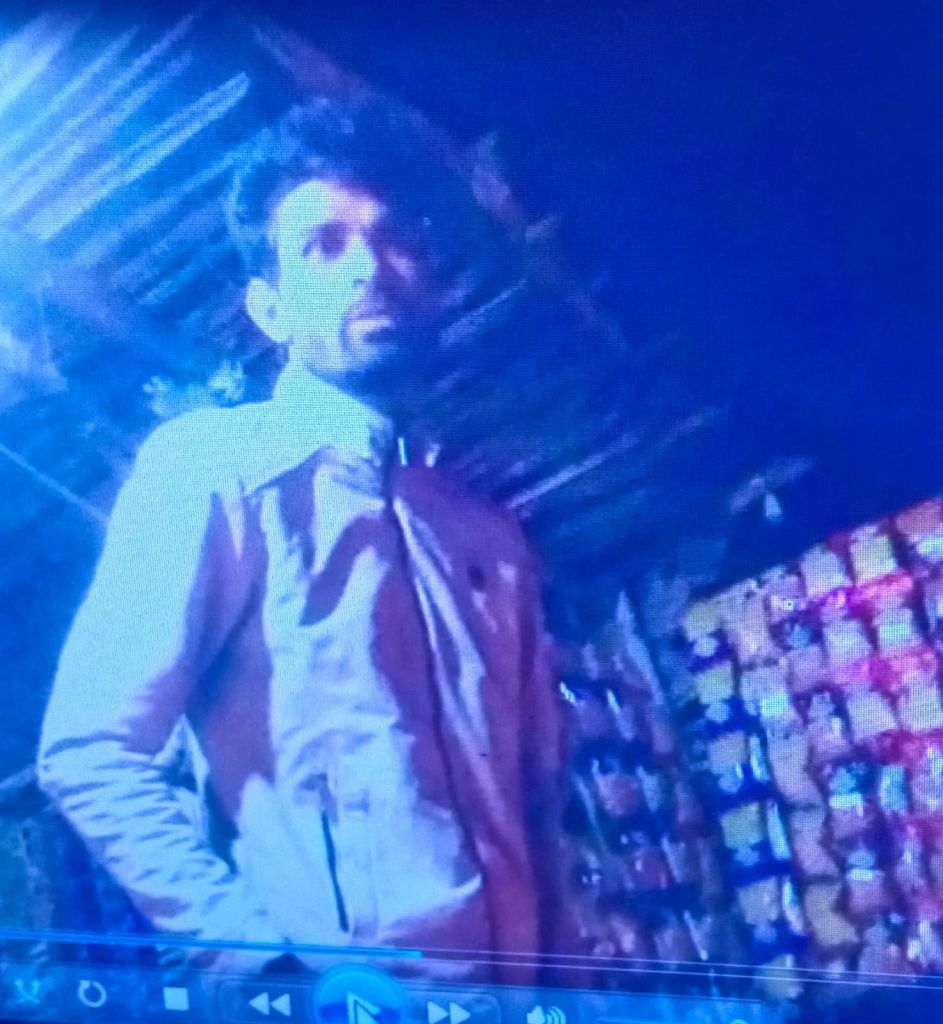
Reporter- Band kar diya? Kyun?
Shakir- Nahi letey, bas.
Reporter- Lafda ho gaya koi?
Shakir- Lafda koi nahi hai.
Reporter- Pehle diesel le rahe they aap?
Shakir- Haan pehle le rahe they, 3-4 mahine pehle.
Reporter- Kya rate?
Shakir- 82.
Reporter- Police walon ne band kara di tumhari?
Shakir- Sab band kara di, todh di.
Reporter- Is highway ki sari band?
Shakir- Pehle bottle tangi rehti thi, chori ki wajah se tudwaye hai.
Reporter- Policewalon ne kyun band kara di?
Shakir- Truck wale badtameezi karen, lafda, chori, phone cheeno. Dhande ke naam par goonda gardi utha rakhi hai…
[In the above chat points to a recent halt in such activity at this spot. It emerges that enforcement and local issues played a role. This shows the network can face disruption. Such breaks, however, may only be temporary.]
On the same highway, we met a tea vendor, Mubarak, who said he had witnessed such activities. When asked about the 20-litre water bottles hanging along the highway in Mewat, he told us they were used to draw fuel from trucks. According to him, the fuel is then sold in the open market for profit. He added that truck drivers themselves supply fuel to these operators.
Reporter- Ye maine highway par dekhe hain bahut sare bottles tange rehtey hain?
Mubarak- Diesel letey hain wo.

Reporter- Kissey?
Mubarak- Truck walon se.
Reporter- Uska kya karte hain,,, diesel ka?
Mubarak- Bech detey hain, 10 rupaye faltu mehnga bech detey hain, 10-20 rupaye kama letey hain.
Reporter- De jaate hain truck wale aisey?
Mubarak- Haan.
Reporter- Maine bahut dekhey hain dono side tange hue.
Mubarak- Hamare yahan nahi rakhtey ji, wo palli side mein rakhtey hain.
Reporter- Mewat mein?
Mubarak- Haan.
Reporter- Truck khade hue they udhar.
Mubarak- Wo karwa letey hain, jaise diesel bacha hua hai kisi gadi mein.
Reporter- Ya truck walon ko zaroorat padh gayi paison ki?
Mubarak- Haan.
[Here, Mubarak explains the purpose of bottles seen hanging along the highway. The chat highlights a simple buy-and-sell chain driven by small margins. It emerges that drivers offload excess fuel for quick cash. This keeps the flow steady. Such practices show how easily the network sustains itself.]
When asked whether the police take action against such operators, Mubarak said that no one has been arrested so far. He added that fuel is openly sold along the highway. He notes that neither the sellers nor the buyers seem to fear being caught. He confirms that truck drivers and local operators carry out these dealings in plain sight.
Reporter- Ye pakde nahi jaate? Police wale pakad lein diesel bechtey hue?
Mubarak- Koi nahi pakad raha.
Reporter- Kyun? Khule am bech rahe hain wo?
Mubarak- Haan.
Reporter- Truck wale bhi khule aam, aur wo bhi khule aam khareed rahe hain?
Mubarak- Haan.
[The exchange highlights how visible and routine this illegal activity has become and points to a complete lack of deterrence. It emerges that both sides act without fear. This normalises the practice. Such openness reflects weak enforcement on the ground.]
When asked why people buy petrol and diesel from these operators instead of petrol pumps, Mubarak said they get fuel at lower prices compared to the pumps. The exchange highlights the reasons behind this local demand.
Reporter- Ye gaon wale jo inse diesel kharidtey hain, ye petrol pumps se nahi la saktey?
Mubarak- Wahan manda nahi milta inko.
Reporter- Mehnga milta hoga?
Mubarak- Mehnga milta hai.
Reporter- Ye sasta de rahe honge?
[The chat points to access and price as key factors. It emerges that higher costs push buyers towards cheaper sources. This keeps demand alive. Such gaps in supply make the illicit fuel network sustainable.]
Petrol and diesel cannot be sold from ordinary shops, kiosks or general stores in India. It is illegal to sell, store or transport fuel without a valid licence, which requires a minimum net worth of Rs 250 crore. Selling fuel in loose form (bottles or cans) is prohibited due to serious safety risks. However, Tehelka’s investigation on the Mewat highway exposed several operators who, in connivance with truck and tanker drivers, siphon off fuel from trucks and tankers en route from depots to petrol pumps, store it and later sell it at cheaper rates for profit. One operator also admitted to hoarding diesel to capitalise on a possible crisis arising from the ongoing conflict between America–Israel and Iran.
According to sources, this highway-level activity has been continuing for years without effective intervention by authorities. Thousands of litres of petrol and diesel have reportedly been siphoned off by organised groups, causing losses running into thousands of crores. These groups extract fuel within 15–20 minutes, often in broad daylight on busy highways. The scale and ease of these operations raise serious concerns about enforcement gaps. Left unchecked, such practices risk deepening into a parallel, unregulated fuel market.