As negotiations continue to find a way out of the situation, doubts continue over movement being ‘hijacked’ and foreign meddling and a delay will only make the situation worse
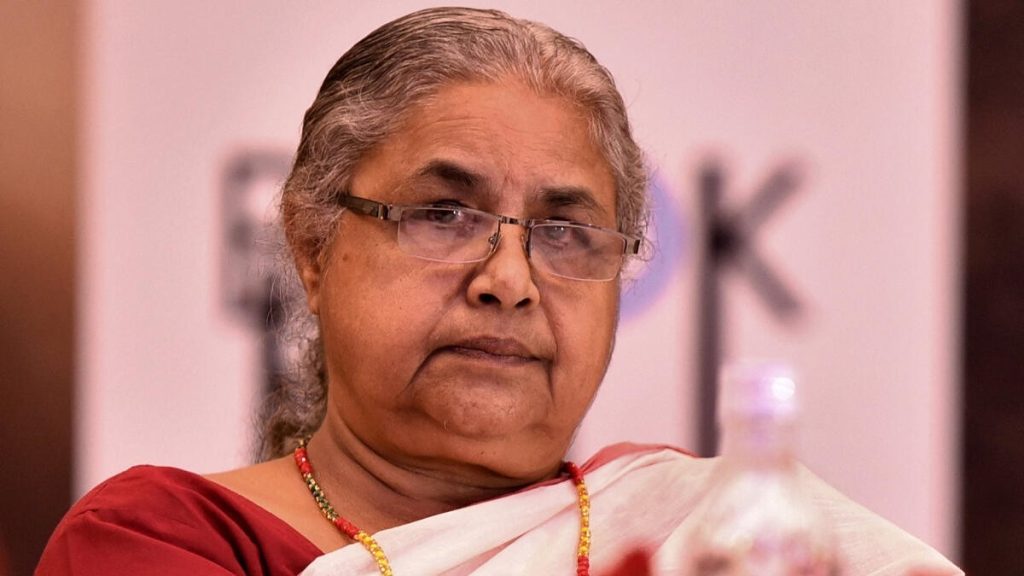
Strife-torn Nepal’s fragile political landscape is inching toward a reset after a week of turmoil, with the search for an interim Prime Minister narrowing to a handful of non-traditional contenders. At the top of the list is former Chief Justice Sushila Karki, a figure seen as neutral and untainted by partisan politics. Also in the reckoning are technocrat Kulman Ghising, credited with ending the country’s notorious power shortages, and Kathmandu mayor Balendra “Balen” Shah, a youth icon.
According to senior observers, the choice will ultimately depend on balancing three competing imperatives—meeting the demands of agitating youth, ensuring institutional stability, and securing acceptance from both political elites and the military. Reports suggest Karki is the most likely candidate to head a caretaker government that will oversee fresh elections, a key demand of the protesters. They have threatened to intensify protests if Sushila Karki is overlooked, as per reports
Late-night talks on Thursday between stakeholders—including representatives of the Gen Z movement that spearheaded the anti-government uprising, the Army chief, and President Ramchandra Paudel—ended without consensus. Still, protest leaders reportedly formally proposed Karki’s name, raising expectations of her appointment “soon.” Importantly, the agitators have signalled willingness to remain within the constitutional framework, despite their fierce opposition to the political class.
The crisis peaked earlier this week when Prime Minister K. P. Sharma Oli resigned following nationwide outrage over the deaths of at least 19 protesters during clashes with security forces. His resignation came after hundreds stormed his office, demanding accountability for corruption, a sweeping social media ban, and systemic failures.
Allegations of infiltration and hijacking
Analysts are sensing striking similarities between the upheaval in Nepal and those in Bangladesh and Sri Lanka. While no direct evidence has surfaced, concerns are mounting that parts of the Gen Z protests may have been infiltrated or hijacked by opportunists seeking to escalate the unrest for political or personal gain.
What began as anger over a social media blackout quickly expanded into a mass movement fueled by frustrations with corruption, nepotism, inequality, and lack of opportunity, however, alongside genuine protestors, looters and fringe political actors reportedly exploited the chaos—setting fire to government buildings, attacking residences of political elites, and even breaching parliament.
There are also claims of foreign interest in Nepal’s instability, though no hard evidence has emerged in the public domain.
Large-scale jailbreaks during the unrest, which freed politically sensitive figures such as former minister Sanjay Kumar Sah and Rabi Lamichhane, have deepened suspicions. In his farewell remarks, Oli himself warned that “vested interests” were misleading the youth and using their “innocent faces” as cover for destructive acts. Whether these actors are domestic rivals, monarchists, or outsiders remains unclear, for now, Nepal’s future hinges on whether the interim leadership can calm the streets
Some political observers in Nepal suspect that monarchist elements may be quietly fueling the protests, exploiting youth anger to weaken the republican order. While no direct evidence has surfaced, Oli’s warning about “vested interests” has revived speculation that royal loyalists could be using the turmoil to push for a return of monarchy.