Serene Goa, small in size but rich in heritage, has long witnessed alarms raised by activists over land conversion, leading to mega-resorts and unchecked development—a grievance that cuts across party lines.
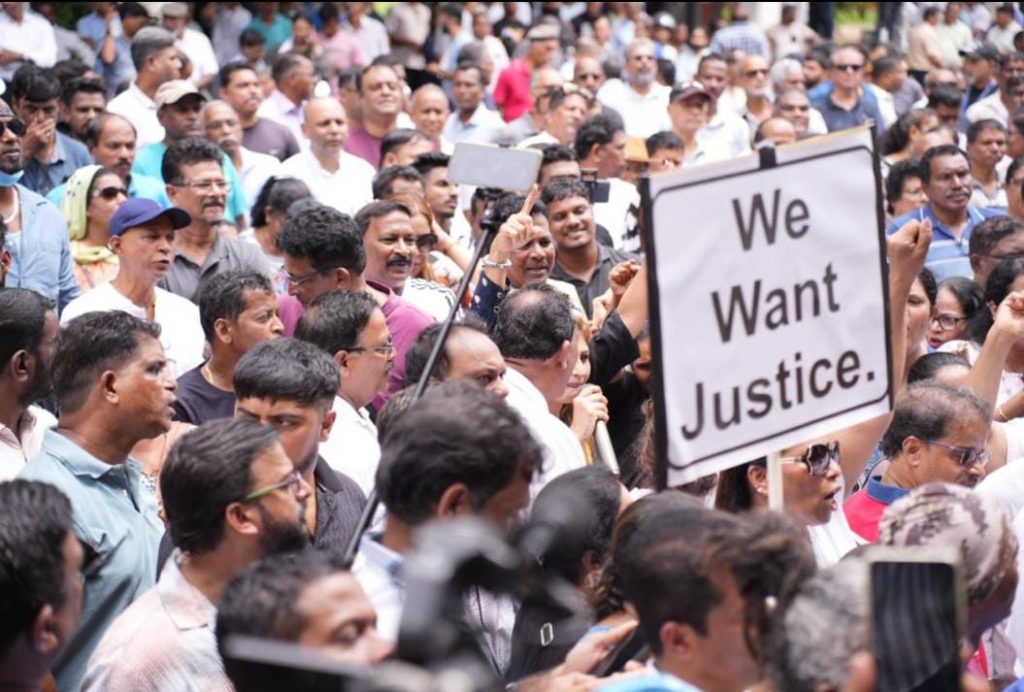
While national attention is on politically significant Bihar, quietly on India’s western coast, a turbulence is brewing in the small state of Goa, where susegad—a relaxed, contented way of life marked by siestas, music, and a laid-back pace—is being challenged by rapid urbanisation, land conversions, and political unrest. Activists and ordinary Goans are now taking to the streets to protect their rights and heritage.
The spark
The immediate trigger was the assault on social activist Rama Kankonkar in Panaji, where a group of men smeared cow dung on his face and physically attacked him. The incident sparked outrage across the state, with protests in the capital drawing activists, citizens, and even legislators. Under pressure, Chief Minister Pramod Sawant assured police protection for Kankonkar and promised a fair probe, but opposition parties were quick to brand the attack as evidence of a deeper collapse of law and order.
The protests demonstrated that Goans are no longer content to “take it easy” when their land, culture, and safety are under threat. While they still value balance and harmony, there is a growing belief that peace must be actively protected through vigilance and collective action.
According to informed sources, the current situation in Goa is not merely the result of political rivalry. It reflects a deeper unease among ordinary Goans who feel their state’s identity, land, and voices are under siege. The assault on Rama Kankonkar became a turning point—not just because of the attack itself, but for the message it sent. The strong turnout at protests forced the government to sit up and take notice.
Simmering frustrations
Goa’s political turbulence is fueled by frequent party-hopping, where elected representatives shift allegiances for personal or strategic gain. Voters feel betrayed when their chosen leaders switch sides mid-term, eroding trust in democratic processes. Core issues—land conversions, environmental concerns, and law-and-order lapses—often remain unresolved, amplifying public anger.
Layered on top is frustration with law and order, which opposition parties like the Aam Aadmi Party (AAP) and the Revolutionary Goans Party (RGP) are trying to channel. Yet their traction rests on real sentiment: Goans feeling alienated, vulnerable, and increasingly willing to assert their rights.
According to reports, the recent episode was backed by simmering discontent over land conversions. Activists allege that in just two years, nearly 25 lakh square metres of land have been converted under provisions of the Town and Country Planning Act, and they have demanded the resignation of Minister Vishwajit Rane. The charge that Goa’s limited land and cultural fabric are being sold off to outsiders has become a rallying point, with the RGP pushing a strong nativist line.
Sensing an opportunity, the AAP moved quickly, bringing on board Srikrishna Parab, a founding member of the RGP, as its state general secretary. On the defensive is the ruling BJP, with ministers linked to land controversies. With the 2027 assembly elections looming, Goa’s streets and activists may well shape the next big political realignment.