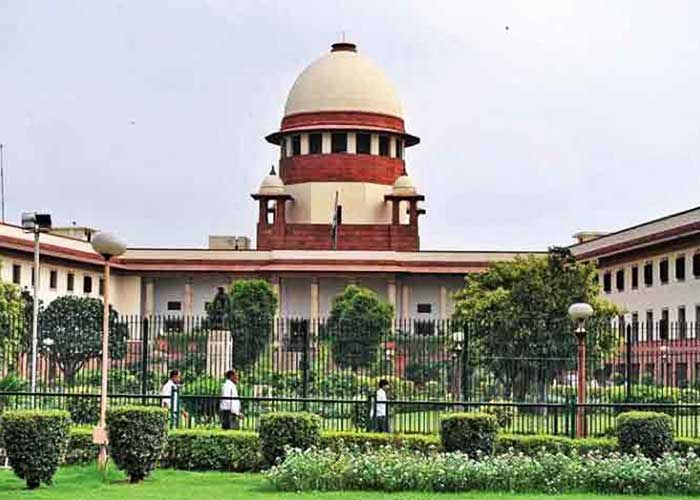
The Supreme Court on Monday came down heavily on states and Union Territories for failing to comply with its directions on managing the stray dog problem. Expressing strong displeasure, the court ordered the Chief Secretaries of all states and UTs to personally appear before it on November 3 and explain why they had not submitted their compliance affidavits.
A Bench led by Justice Vikram Nath noted that despite clear orders issued on August 22, only Delhi, West Bengal, and Telangana had filed their reports in line with the Animal Birth Control (ABC) Rules, 2023. The judges warned that if the remaining Chief Secretaries failed to appear at the next hearing, the court would consider imposing penalties or other coercive actions. “Didn’t the officers read newspapers or social media? Even if they weren’t served notices, they should have been here,” the Bench remarked, directing all top state officials to be present in court. “We will hold court in the auditorium if needed,” Justice Nath was quoted as saying.
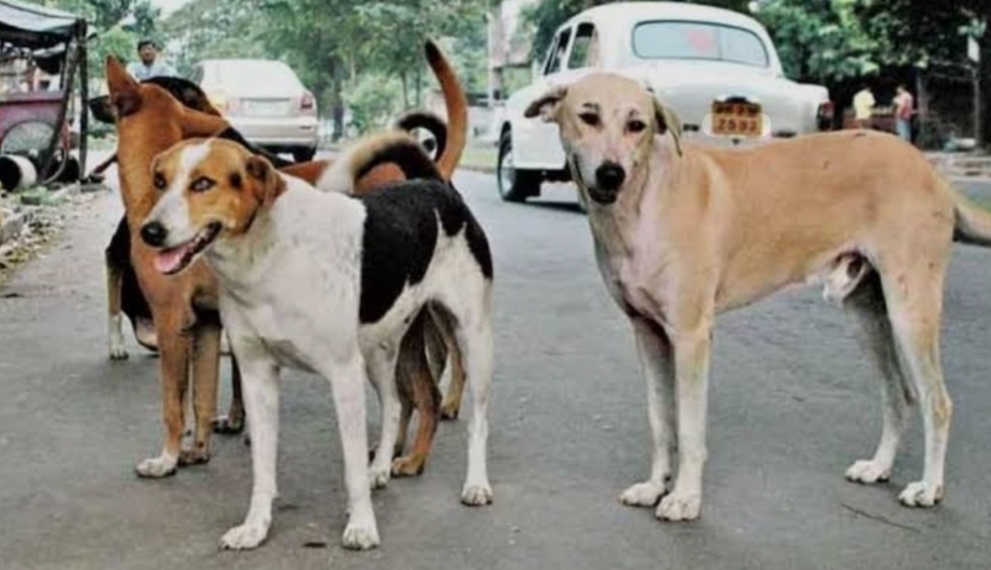
Expressing concern that incidents of stray dog attacks continued across the country despite repeated directions, the SC said that “continuous incidents are happening, and the image of the country is being shown as poor in the eyes of foreign nations”. When one lawyer raised concerns about cruelty toward stray dogs, he was met with “what about cruelty towards humans?” The court also criticized the flood of intervention petitions from individuals and resident welfare associations (RWAs). “If every RWA wants to be a party, we’ll have crores of parties before us. Please make reasonable suggestions,” the Bench said.
The issue of stray dogs has been under the national spotlight since an earlier August 11 order by another Bench directed Delhi authorities to begin rounding up strays—especially from vulnerable areas—and to build shelters for at least 5,000 dogs within eight weeks. That order also called for sterilization, vaccination, and deworming of dogs, and barred their release back to the streets.
However, the move faced sharp criticism from animal rights activists, who called it inhumane. Responding to the backlash, the case was later transferred to the current three-judge Bench led by Justice Nath, which modified the earlier order. The new ruling allowed dogs to be released after vaccination and deworming, and expanded the scope of the case to cover the entire country—bringing together similar matters pending in various high courts.