IRS officer and former NCB zonal director Sameer Wankhede has filed a defamation suit in the Delhi High Court against Netflix and Shah Rukh Khan and Gauri Khan-owned Red Chillies Entertainment, alleging their series The Ba****ds of Bollywood is tarnishing his reputation. Wankhede has demanded Rs 2 crore in damages, which he intends to donate to Tata Memorial Cancer Hospital.
Wankhede’s plea argues that the series spreads false, derogatory content targeting him amid ongoing judicial proceedings related to the Aryan Khan drug case, still under review by the Bombay High Court and NDPS Special Court. He claims the portrayal undermines public trust in drug enforcement agencies and was deliberately scripted to damage his image.
A controversial scene where a character raises a middle finger after reciting “Satyamev Jayate” is cited as violating the Prevention of Insults to National Honour Act, 1971, in addition to alleged breaches under the Information Technology Act and Bharatiya Nyaya Sanhita (BNS). His legal team contends the show carries obscene, offensive content designed to provoke outrage and manipulate perception. The court has yet to decide on admitting the petition for hearing.
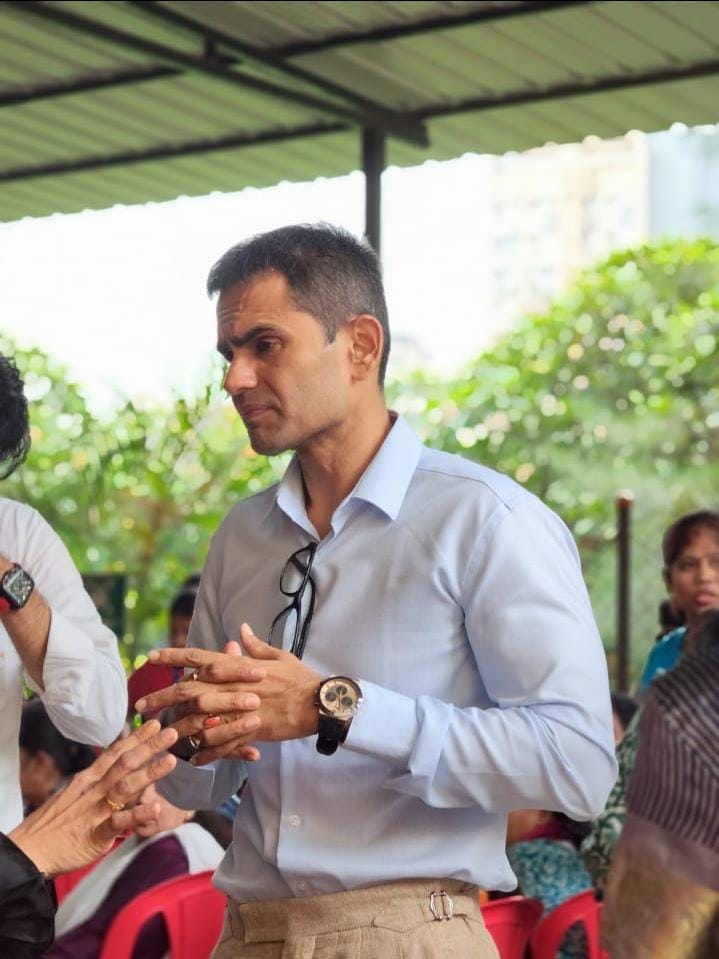
Who is Sameer Wankhede?
An IRS officer from the 2008 batch, Wankhede gained prominence as NCB’s Zonal Director for leading high-profile drug probes in Mumbai and Bollywood. Known for his tough stance, he has investigated multiple celebrities.
However, his role in the Aryan Khan case attracted controversy. He faced allegations of extortion, procedural lapses, and misuse of power, including claims he tried to extract money from Shah Rukh Khan’s team for Aryan’s release. He was also accused of falsifying caste and travel records, leading to inquiries and his eventual transfer from the NCB. Wankhede has consistently denied wrongdoing, insisting he was targeted for “doing his duty.”
Aryan Khan case recap
Aryan Khan, son of Shah Rukh Khan, was arrested on October 2, 2021, in an NCB raid aboard the Cordelia Cruise off Mumbai. While no drugs were found on him, he spent nearly a month in custody before the Bombay High Court granted bail, ruling no evidence linked him to conspiracy or trafficking. The arrest became a global headline, fueling debates on media trials and the fairness of India’s criminal justice system