PM Modi speaks with Sushila Karki, assures support amid political transition; Karki says responding to the call of recent Gen-Z movement, elections her topmost priority; decoding the India-Nepal relations henceforth
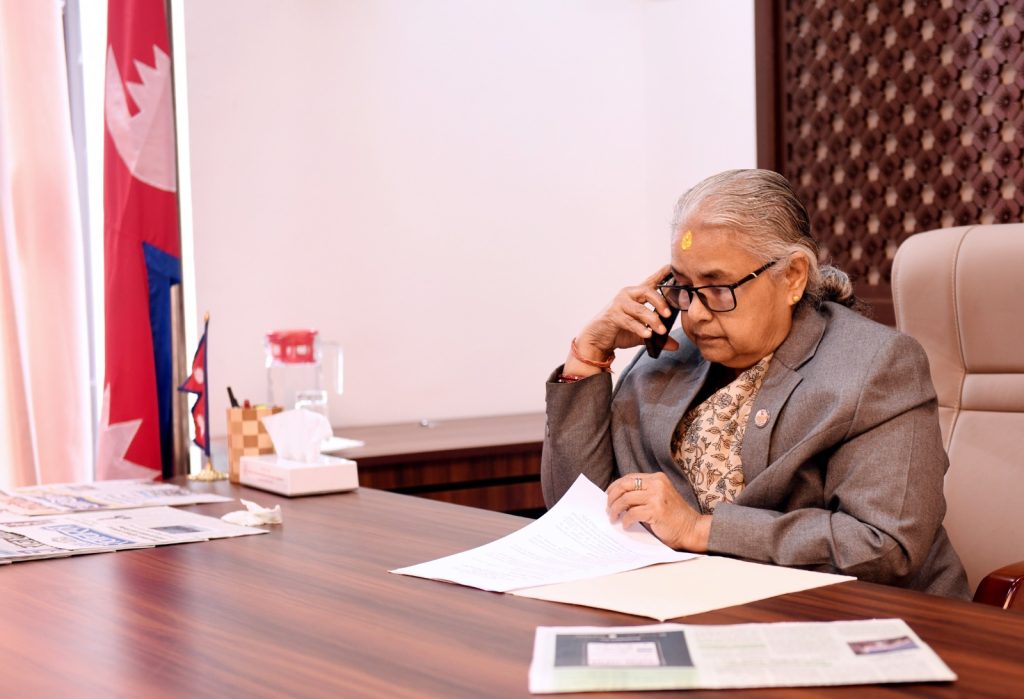
Marking a significant diplomatic development, Prime Minister Narendra Modi held his first official conversation with Nepal’s newly appointed interim Prime Minister, Sushila Karki, on Thursday, reaffirming India’s support for the Himalayan nation’s transitional leadership amid ongoing efforts to restore stability following recent unrest.
“Had a warm conversation with Mrs. Sushila Karki, Prime Minister of the Interim Government of Nepal. Conveyed heartfelt condolences on the recent tragic loss of lives and reaffirmed India’s steadfast support for her efforts to restore peace and stability. Also, I extended warm greetings to her and the people of Nepal on their National Day tomorrow,” PM Modi posted on X.
“Nepal PM Karki thanked the Prime Minister for India’s firm support to Nepal and reciprocated his desire to further strengthen ties between the two countries. The leaders agreed to remain in touch,” according to an official statement
Nepal Foreign Minister posted that PM Karki conveyed her heartfelt greetings and best wishes to PM Modi on his 75th birthday and appreciated his message of solidarity. “She further stated that responding to the call of recent Gen-Z movement, elections will remain topmost priority of the present government, with strong determination for accountable, responsive and corruption-free governance, reflecting the aspiration of the youth. The Indian Prime Minister assured of full support and cooperation as per the priorities of the Government of Nepal,” the PM said, adding that “historical and close relationship between Nepal and India will continue to be strengthened by multifaceted people to people ties.”
This was reportedly Karki’s first diplomatic interaction with a foreign head of government since assuming office on September 12. Underlining India’s prominence in Kathmandu’s foreign policy priorities, the call is expected to set the tone for future bilateral engagement during Nepal’s political transition, say analysts
According to those in know of developments, the interim government led by Karki is working to restore normalcy after weeks of youth-led protests. Curfews have been lifted in Kathmandu and key districts like Lalitpur and Bhaktapur, markets have reopened, and the administration has announced compensation measures and pledged general elections by March 2026. The situation is “under control” but underlying tensions remain and that further unrest could erupt if promised reforms are delayed or fall short, they add
On Tuesday, Indian Ambassador to Nepal Naveen Srivastava met PM Karki at her office in Singha Durbar, delivering PM Modi’s personal message of congratulations and reiterating India’s commitment to the “close bonds of friendship and cooperation” between the two nations. He had also attended Karki’s swearing-in ceremony at Shital Niwas, Nepal’s presidential residence.
Despite the recent optics of bonhomie between Pm Modi and Chinese premier Xi Jinping, strategically India needs to remain alert to growing Chinese influence in Nepal and the broader Himalayan region. Former Tibetan Prime Minister-in-exile Lobsang Sangay recently warned of Beijing’s “expansionist agenda,” referencing Mao Zedong’s “Five Finger Strategy”—a geopolitical vision in which Tibet is seen as the palm and regions like Nepal, Sikkim, Bhutan, Arunachal Pradesh, and Ladakh are the “fingers” to be brought under Chinese sway.
Sangay claimed that Chinese officials today wield more influence in Kathmandu than their Indian or American counterparts, urging New Delhi to remain vigilant.