Rivers overflow, highways/bridges collapse and pilgrimage routes turn perilous, the scale of the crisis and damage is mammoth in Jammu and kashmir, Himachal Pradesh and Uttarakhand and plains of Punjab. For now, the focus is on saving lives and preventing further tragedy, but this season’s rain mayhem has once again underlined North India’s fragile relationship with its mountains, rivers and monsoon.
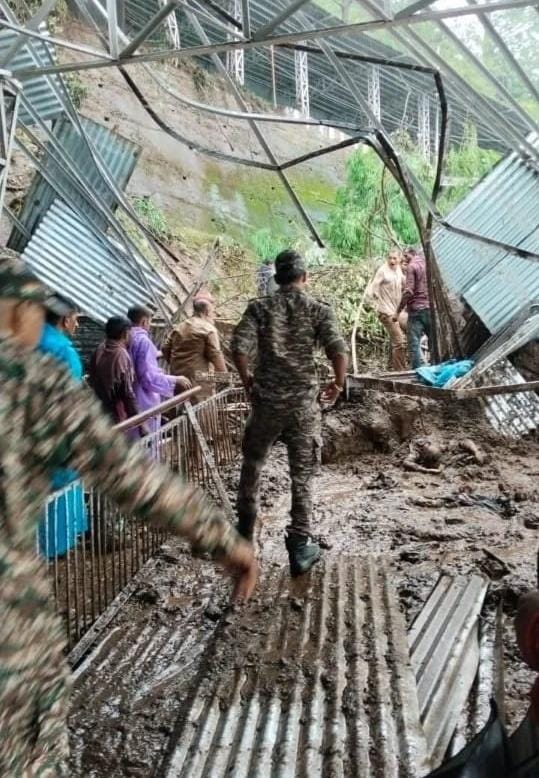
North India is reeling under a devastating monsoon spell that has battered the hills and flooded the plains, leaving behind a trail of destruction. Relentless rains, swelling rivers and landslides have paralysed life across Himachal Pradesh, Jammu and Kashmir, and Uttarakhand, with the impact spilling into Punjab and Haryana. From temples and highways to homes and hotels, little has been spared from the fury of the skies—highlighting yet again the vulnerability of the region to erratic monsoon behaviour.
In Jammu and Kashmir, tragedy struck the sacred pilgrimage to Mata Vaishno Devi when a massive landslide rolled down the Trikuta hills midway along the 12-kilometre trek, according to reports. The disaster near Inderprastha Bhojnalaya at Adhkuwari killed and injured several pilgrims, forcing the authorities to suspend the yatra and launch rescue operations. The winding mountain path, normally teeming with devotees, was left scarred and desolate, as teams searched for survivors under layers of mud and rock.
The fresh calamities come barely days after one of the worst cloudburst-triggered floods in recent memory struck Chositi village in Kishtwar district on August 14. Located on the Machail Mata pilgrimage route, the village was devastated as torrents of mud and rock buried houses, pilgrims and livestock. At least 60 lives were lost and more than 100 people were injured; several are still missing.
The memory of that tragedy was still raw when Tuesday’s landslide hit the Vaishno Devi trek, compounding the region’s grief.
The larger Jammu region has been paralysed after recording 190.4 mm of rainfall within 24 hours—the second-highest August downpour in nearly a century, behind only 1926, as per reports
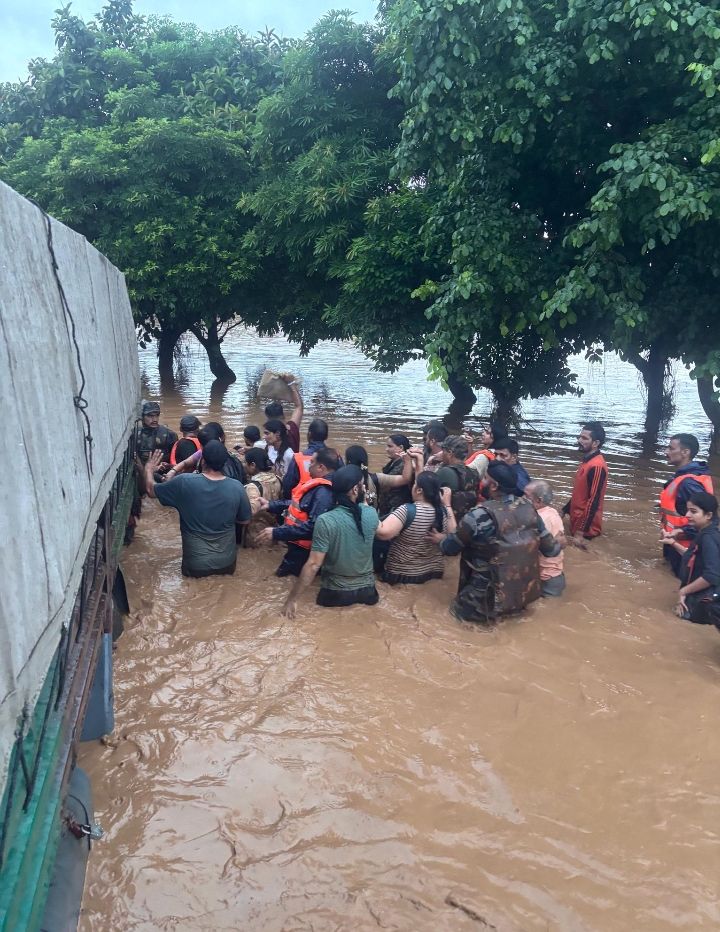
The sheer volume of rain caused rivers to swell dangerously, sweeping away bridges and flooding residential areas. Low-lying neighbourhoods were inundated, while the collapse of a bridge on the Jammu–Pathankot highway cut off road connectivity for hours. The Northern Railway cancelled several trains to and from Katra, Udhampur and Jammu, as floodwaters and landslides blocked major lines of transport.
Himachal Pradesh, too, has been battered by a series of cloudbursts and landslides.
In Manali, the Beas River swept away multi-storey hotels, shops with collapsing buildings and crumbling riverbanks leaving residents and tourists shaken. The Chandigarh–Manali highway near Mandi has been cut off in several places, isolating entire stretches of the state. Thousands of travellers have been stranded for nearly two days after roads were buried under boulders and landslides. Helicopters have been pressed into service for evacuation, but weather conditions have hampered flights.
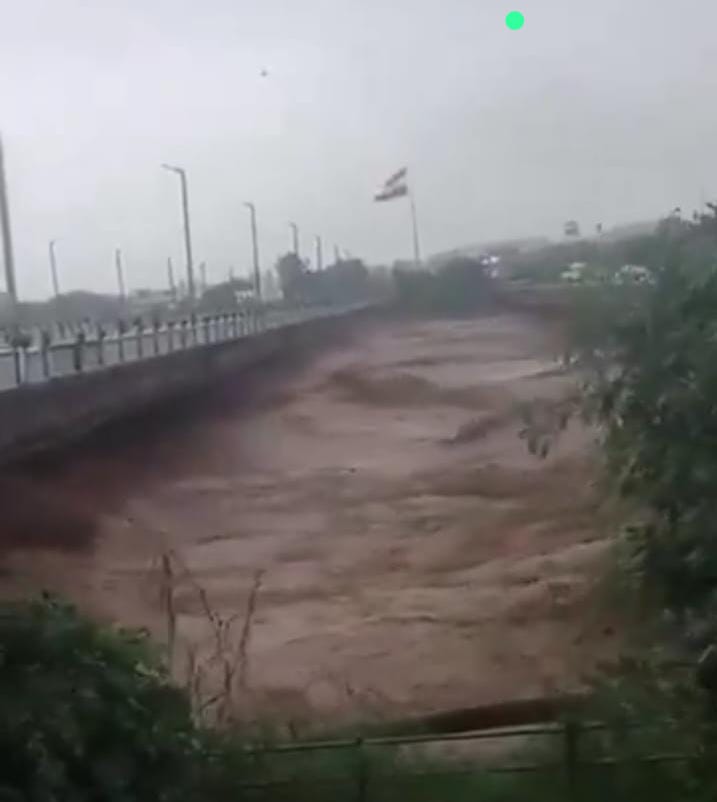
In Punjab, flood fears turned into reality after heavy rainfall and the release of surplus water from dams inundated villages, particularly in Pathankot and neighbouring districts. Entire stretches of farmland disappeared under sheets of water as swollen rivers surged into habitations.
The state government has sounded a high alert, setting up control rooms, relief camps and community kitchens, while helicopters were used to airlift residents from marooned houses. Haryana too has not been spared, with towns such as Hisar, Rohtak and Narnaul reporting heavy rainfall, waterlogging and damaged roads.
Uttarakhand remains equally vulnerable
Earlier this month, the state was shaken by a deadly flash flood in Dharali near Uttarkashi, where a suspected cloudburst or glacial lake outburst swept away homes and hotels. The relentless rain since then has only worsened conditions in Tharali, Harshil and other disaster-prone pockets of the state.
The crisis is not confined within India’s borders. Swollen rivers such as the Ravi, Sutlej and Chenab, flowing downstream into Pakistan, have forced authorities across the border to evacuate nearly 150,000 people from Punjab province.
With continuous rain lashing Himachal Pradesh, Jammu and Kashmir and Uttarakhand, authorities are grappling with the double challenge of conducting search-and-rescue operations while preparing for fresh disasters.
The Indian Meteorological Department has issued a red alert for several districts in Himachal and J&K, and an orange alert for Mandi, Kullu and parts of Punjab. Rainfall is forecast to continue through the week, with isolated extremely heavy showers likely in the hills and adjoining plains.