Drama in Asia Cup shows how athletes become unwilling symbols of diplomacy; Linking sports to politics can unfairly subject them to criticism for choices not of their making
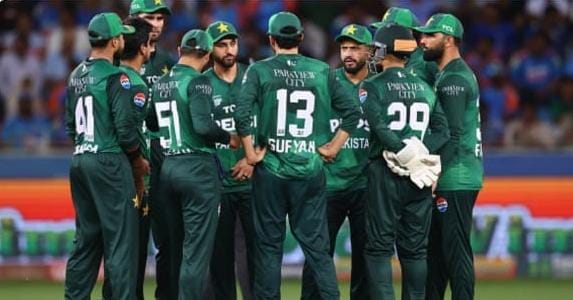
The Asia Cup clash between Pakistan and the United Arab Emirates on Tuesday was less about runs and wickets and more about a storm brewing off the field. The start was delayed by nearly an hour after Pakistan refused to take the field, demanding the removal of match referee Andy Pycroft.
Their anger stemmed from the India–Pakistan encounter on September 14, when Indian players avoided shaking hands with their Pakistani counterparts before and after the match. Indian captain Suryakumar Yadav, who refused to shake hands with Pakistan’s Salman Ali Agha, said “a few things in life are bigger than sporting spirit,” dedicating the victory to victims of the April terror attack in Pahalgam and to the Indian armed forces who carried out retaliatory strikes across the border.
The Pakistan Cricket Board called the act disrespectful and accused Pycroft of mishandling the matter. Tensions ran high with fears the game might be forfeited. Negotiations followed, and Pycroft eventually issued a clarification and apology, calling the no-handshake incident a “miscommunication” rather than deliberate instruction. “Andy Pycroft termed the September 14 incident a result of miscommunication and apologised. The ICC has expressed its willingness to conduct an inquiry into the code of conduct violation that occurred during the September 14 match,” PCB was quoted as saying
On the field, the batting side lifted Pakistan to 146/9, and bowlers bundled UAE out for 105, sealing a 41-run win and a place in the Super Four alongside India, but the result was secondary—the real story was the off-field drama.
The handshake row has added political and emotional heat to the tournament. For Pakistan, the controversy carried as much weight as qualification, underlining once again how cricket between the two neighbours rarely stays confined to sport.
Analysts warn that athletes are being dragged into political battles not of their making. “Players are national symbols, and every gesture between India and Pakistan carries political weight. A refusal to shake hands or a delayed start becomes more than a sporting matter—it is read as a statement on bilateral tensions. But players often have little control over such situations,” they point out.
“Players are national symbols, and every gesture between India and Pakistan carries political weight. A refusal to shake hands or a delayed start becomes more than a sporting matter; it is read as a statement on bilateral tensions. For fans, it can heighten emotions, fuel rivalries, and even overshadow the cricket itself. But players often have little control over such situations, such incidents are not expected to enhance their game or anything,” they add
The bottom line is they perform on the field, but decisions taken by boards, officials, or governments shape the narrative around them.
Linking sports to politics can unfairly subject them to criticism for choices not of their making. The controversies grab headlines, give a talking point to TV journalists and add drama, but do they help in any way, ideally India should have stayed off the match with Pakistan if a message is what it wanted to send.
The fact is pulling out is not simple, either for India or Pakistan.
A withdrawal could have cost the PCB between $12–16 million, as Test-playing nations each receive 15% of the Asian Cricket Council’s annual revenue. Walking away would have meant forfeiting nearly 7% of income, according to reports
Test-playing nations—India, Pakistan, Sri Lanka, Bangladesh, and Afghanistan—receive 15% each of the Asian Cricket Council’s annual revenue, while associates share the remaining 25%. A pullout would cost PCB nearly 7% of revenue, leaving it isolated within the ACC