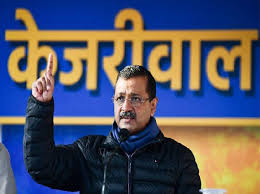
A Delhi court recently discharged Kejriwal, along with former Deputy Chief Minister Manish Sisodia and 21 others, in the high-profile liquor policy case. The court declined to take cognisance of the CBI’s chargesheet, observing that there was no cogent evidence against Kejriwal and no prima facie case against Sisodia or the other accused.
The verdict was seen as a significant moment for the Aam Aadmi Party (AAP), especially in Punjab, where the party governs with a strong mandate.
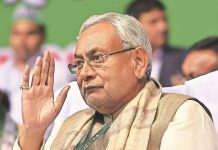
Punjab Chief Minister Bhagwant Mann described the ruling as a “victory of truth and justice.” He reiterated the party’s longstanding position that central agencies were being misused by the BJP-led Centre to target political opponents. According to Mann, the case reflected an attempt to stall AAP’s national expansion driven by its governance agenda.
Even while undergoing a week-long naturopathy and wellness treatment in Bengaluru, Mann stated that the court’s remarks raised serious concerns about the functioning of investigative agencies. Celebrations followed across Punjab, with ministers and party workers distributing sweets to mark the verdict.
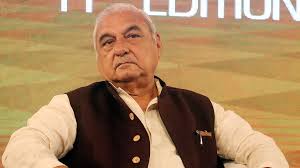
In a parallel development, the Punjab and Haryana High Court set aside orders framing charges against former Haryana Chief Minister Bhupinder Singh Hooda and The Associated Journals Limited (AJL) in the Panchkula plot re-allotment case. The bench ruled that the material on record did not even prima facie establish the ingredients of the alleged offences.
For the Indian National Congress, the ruling is being seen as a morale booster, particularly for senior leaders such as Rahul Gandhi and Sonia Gandhi. Political observers suggest the judgment strengthens Congress’s narrative that legal proceedings against its leaders were politically motivated.
Momentum or Mirage?
While both verdicts provide immediate relief and renewed confidence to Kejriwal and Hooda, political analysts offer nuanced perspectives on their long-term impact.
In Punjab, some experts believe that despite Kejriwal’s legal reprieve, the 2027 electoral battle will hinge more on governance performance than court decisions. After AAP’s sweeping 2022 victory, sections of the electorate reportedly feel expectations have not been fully met. For these voters, performance on jobs, public services, and fiscal management may weigh more heavily than judicial developments.
Others argue that the acquittal could complicate political equations, particularly in urban constituencies, by reshaping opposition strategies and possibly affecting the Congress’s positioning more than the BJP’s.
In Haryana, however, the High Court’s ruling is widely viewed as a strategic boost for the Congress ahead of future electoral contests. It strengthens the party’s leadership narrative and may reinvigorate its cadre at a time when it seeks to consolidate anti-incumbency sentiment against the BJP at the Centre.
Political Narrative
Beyond individual cases, these judgments have intensified debates over the use of investigative agencies in India’s political landscape. Supporters of both leaders claim vindication; critics remain cautious, framing the developments within broader electoral strategies.
What remains clear is that these verdicts have shifted momentum. Whether this translates into sustained political gains will depend on governance delivery, public trust, and how effectively each party leverages the renewed confidence in the months leading up to future elections.
As Punjab and Haryana move closer to their next political cycles, the real test will not only be in courtrooms — but at the ballot box.