The flood situation may be gradually subsiding but the losses in terms of deaths, property, infrastructure and agricultural losses will never be forgotten. The worst floods in over 50 years are said to have resulted in financial losses exceeding Rs 13,000 crore, and these are the preliminary figures. Villages in Patiala and Ludhiana remain inundated due to overflows from tributaries like Tangri and Markanda, as also controlled water releases, as per reports
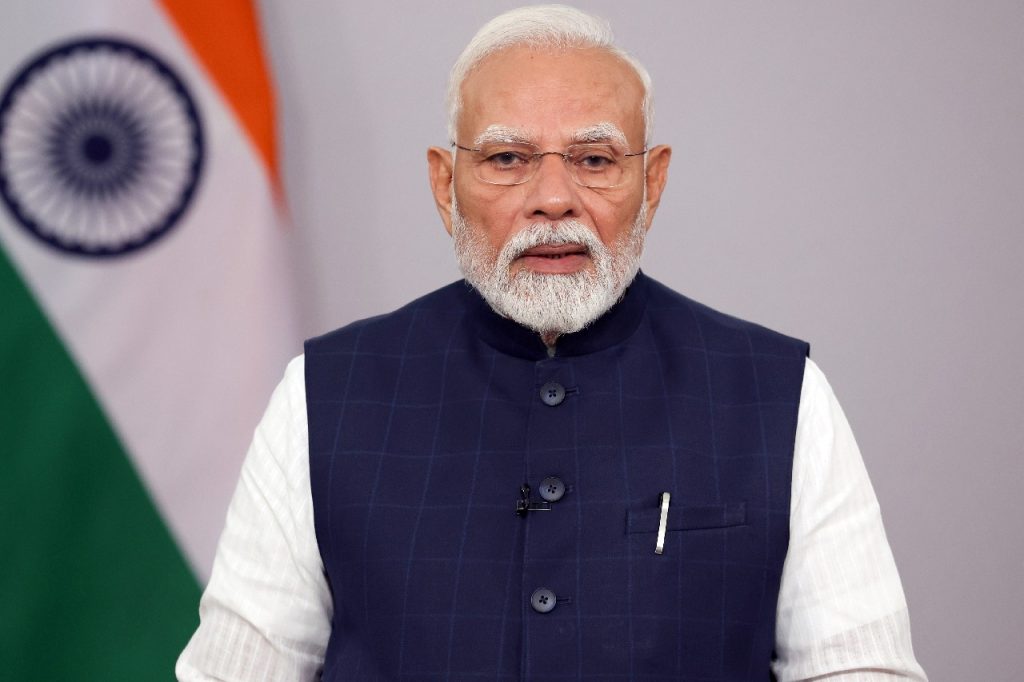
Prime Minister Narendra Modi will visit Gurdaspur in flood-devastated Punjab on September 9 to take stock of the damage caused by the worst floods Punjab has seen in nearly five decades. His visit is expected to pave the way for a special relief package, bringing both financial aid and political weight to a state still reeling from the disaster.
The flood situation may be gradually subsiding but the losses in terms of deaths, property, infrastructure and agricultural losses will never be forgotten. The worst floods in over 50 years are said to have resulted in financial losses exceeding Rs 13,000 crore, and these are the preliminary figures. Villages in Patiala and Ludhiana remain inundated due to overflows from tributaries like Tangri and Markanda, as also controlled water releases, as per reports
The current flooding is being labelled as the worst in nearly 50 years. Rivers like the Sutlej, Beas, Ravi, and Ghaggar, along with dam releases from Bhakra, Pong, Ranjit Sagar and heavy rains in the catchment areas have contributing to the crisis
According to official estimates, nearly 1,996 villages across 23 districts have been affected, over 3.8 lakh people displaced, and 1.72 lakh hectares of farmland inundated. At least 46 lives have been lost, while damages to crops, homes, livestock, and infrastructure are pegged at hundreds of thousands crore.
Centre’s relief—what to expect
Amid politics over affixing responsibility, the BJP-led NDA Centre is expected to announce an immediate grant from the National Disaster Response Fund, along with a commitment to release pending dues.
Punjab Chief Minister Bhagwant Mann has urged the PM for nearly Rs 60,000 crore in pending funds and enhancing farmer compensation, which currently stands at Rs 6,800 per acre under SDRF norms. Those in know of developments say the PM’ package may include a special top-up for farmers, potentially raising support to Rs 12,000–Rs 15,000 per acre, alongside fast-tracking of crop insurance claims.
With floodwaters damaging roads, electricity networks, and irrigation canals, submerging BSF outposts and border fencing in Ferozepur, Amritsar, and Fazilka, infrastructure is high on agenda. A separate allocation for border security repair is likely, given the national security implications. The package may also include compensation for destroyed homes, assistance for livestock losses, and support for dairy cooperatives.
The PM may also provide some sort of longer-term flood mitigation plan for Punjab, focusing on strengthening embankments, improving drainage, and setting up advanced flood forecasting systems.
The Punjab leadership says that the scale of devastation requires urgent and substantial central intervention. Being criticised for “ignoring and abandoning” Punjab, the PM’s presence may come as a reassurance for people struggling to cope with its deepest humanitarian and agricultural crisis in decades. “His meetings with affected families will reassure people that the crisis is being treated as a national priority, not just a state issue. The visit will bring visibility, urgency, and likely financial relief, accelerating money, manpower, and policy decisions—all of which Punjab badly needs right now,” say officials.
Flood’ politics
Whether the visit calms the ongoing politics on the issue or accelerates it remains to be seen.
The devastating floods triggered a blame game between the Aam Aadmi Party (AAP) government in Punjab and the Centre, with opposition parties also joining.
Punjab Finance Minister Harpal Singh Cheema accused the centre of “failing to provide timely assistance.” “We are dealing with a catastrophe that has ravaged farms, homes, and livelihoods, but the funds released are far below the scale of destruction,” he said. Chief Minister Bhagwant Singh Mann has repeatedly pressed for higher compensation for farmers—demanding at least Rs 20,000 per acre against the existing SDRF norm of Rs 6,800. “Our farmers have lost everything. The central government cannot wash its hands off its responsibility,” he said.
The BJP, in turn, has been accusing the state government of poor preparedness and failure to maintain embankments, canals, and drainage systems. Accusing the state government of trying to shift the blame on the centre Delhi to cover its own lapses, they say that “floods have exposed the state government’s inefficiency. Instead of working on relief, AAP is busy politicising a natural calamity.”
The Congress, meanwhile, has sought to corner both the Centre and the AAP government. Party leaders say delayed response from the Union government has worsened people’s suffering, while inadequate disaster planning by the state left villages vulnerable.
Floods have become a fresh flashpoint in already strained Centre-state relations and farmers’ groups are also expressing anger over compensation rates. Ahead of the PM’s visit, the spotlight will be on whether he announces a substantial relief package.