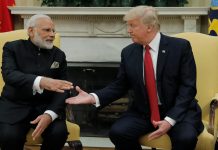
For months, US President Donald Trump has sought to end the Russia-Ukraine conflict, combining traditional diplomacy with aggressive economic pressure. Central to his strategy has been targeting Russia’s energy exports, which fund its war effort. Trump has levied tariffs on nations buying Russian oil, singling out India — a major purchaser — with a 25% penalty. Yet India, along with China, has resisted cutting its imports, hampering Washington’s efforts.
The stakes escalated recently when the US Treasury imposed sanctions on two of Russia’s largest oil companies, Rosneft and Lukoil. These firms account for roughly 5% of global oil output and form a significant part of India’s imports. Firms have been given until November 21 to wind down transactions. The European Union has joined the effort, unveiling its own measures against Russian energy, marking a notable shift in Western policy. While some suggest India could replace Russian supplies with oil from the Middle East, the US, or other producers, the transition will be far from seamless. Together, India and China import around 2.8 million barrels of Russian crude per day.
Tehelka Cover Story “India’s Oil Dilemma: Navigating the Fallout of Ceasing Russian Imports” finds thatfor India, Russian oil is more than just a commodity — it is a financial lifeline. Over the past three years, imports from Russia have saved Indian refiners at least $12.6 billion. Now, both private and public sector entities must carefully weigh the risks of attracting secondary sanctions. Trump’s unpredictable approach adds another layer of uncertainty. His upcoming meeting with Xi Jinping on the sidelines of the Asia-Pacific Economic Cooperation Summit will be closely watched, as it could influence the trajectory of sanctions and global energy markets.
India faces a delicate balancing act. While Washington presses for cuts in Russian oil imports, New Delhi must safeguard its own economic and strategic interests. Historically, India has cooperated with the US on energy matters, curtailing purchases from Venezuela and Iran in response to American pressure in the past. The imposition of a 25% tariff, combined with other diplomatic slights — including curbs on visas for Indian citizens — has made convergence on the issue even more difficult. At the same time, India cannot ignore the broader strategic context. It is negotiating a trade deal with the US while seeking to maintain strong ties with Russia, China, and other partners. The current sanctions regime forces India to reassess its energy strategy, striking a balance between commercial realities and geopolitical imperatives. The Trump administration is clearly squeezing both Russia and its energy buyers, leaving India to navigate a complex path between compliance, economic pragmatism, and national sovereignty. For India, the message is clear: energy policy remains a sovereign prerogative, but the global stakes — and Washington’s pressure — cannot be ignored.
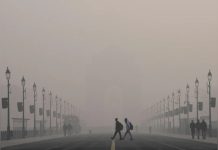
Tehelka’s Special Investigative Story this fortnight is “Cracker ban: A loud lie,” which exposes how illegal firecracker sales, fake green labels, and zero enforcement combined to fuel Delhi-NCR’s post-Diwali air pollution crisis.