Creating a centralised feeding point for dogs over a large area, especially in urban neighbourhoods, may seem a good idea but is it so? Practically, it is not a very good idea but also impossible, besides it may even become a flash point between dog lovers and those who do not like them as much or have suffered at the hands of strays
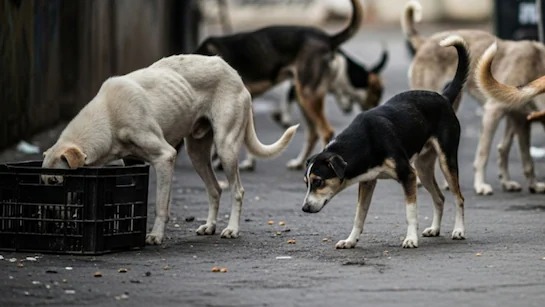
The Supreme Court on Friday modified its August-11 directions, saying that sterilised and immunised strays may be released back into their areas. It, however, refused to stay the rounding up of stray dogs in Delhi-NCR for sending them to dog shelters with immediate effect. “Prohibition on release of strays shall be stayed. They shall be dewormed, vaccinated, etc, and sent back to the same area,” said a three-judge Bench.
According to an earlier order of a two-judge Bench, the authorities in Delhi and its suburbs were asked to move all stray dogs into shelters, expressing concern over the rising “menace of dog bites leading to rabies”, leading to widespread protests by animal welfare groups.
The three-judge Bench said that dogs with rabies or aggressive behaviour should be immunised and kept in shelters.
No feeding on streets
It also prohibited the feeding of stray dogs on streets. “Under no condition shall the feeding of stray dogs on the streets be permitted. The persons found feeding the dogs on the streets in contravention of the above directions shall be liable to be proceeded against under the relevant legal framework,” it said.
According to the top court there have been reports of untoward incidents caused by unregulated feeding of stray dogs. The order is being issued to ensure that the practice of feeding dogs on roads and in public places was eliminated as such practice created “great difficulties for the common man walking on the streets”.
Creating a centralised feeding point for dogs over a large area, especially in urban neighbourhoods, may seem a good idea but is it so?
Practically, it is not a very good idea but also impossible, besides it may even become a flash point between dog lovers and those who do not like them as much or have suffered at the hands of strays
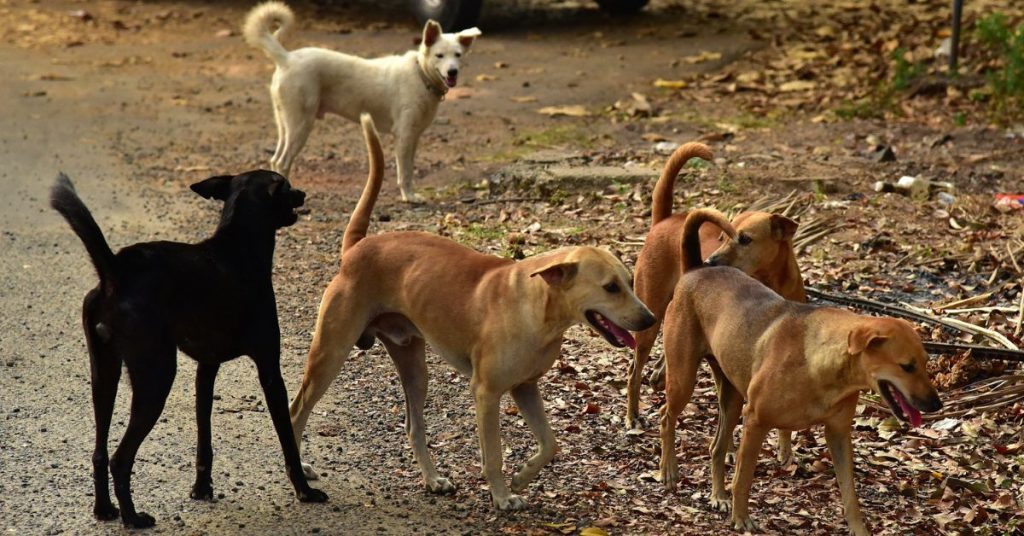
Dogs are territorial, and there are other issues
There are many reasons, for one, dogs are territorial animals. When food is concentrated in one location, dominant dogs may claim the spot, bully or attack others, leading to fights and injuries. Shy, injured, or smaller dogs may go hungry to avoid conflict.
The next question is will dogs from far parts of the area travel to a feeding point regularly, besides how will they know there exists such a point. There are also old, injured, or nursing strays.
Apart from the fact that centralisation creates inequality in access to food, there are sanitation and health hazards. A single feeding point will attract flies, rats, ants, diseases if not cleaned constantly. Leftover food can rot, who will remove that? And why would those living near the feeding points allow this? Will it not create further discord between dog lovers and those not so fond of them?
Overcrowding may lead to aggression, injuries and feeding points will attract complaints from residents, authorities, and become a nuisance in residential or commercial areas. In fact, many cities or municipalities have rules against public animal feeding in large groups or in open areas.
A better idea may be to feed strays in small groups in scattered locations, responsibly, therefore, at best the Supreme Court order is a respite.