Observers say the way the situation was progressing in Nepal, the PM’s resignation was “expected” but the big question is what next; India monitoring the developments closely
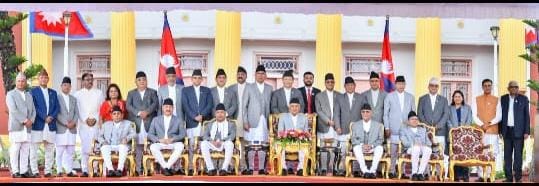
In a major victory for the Generation Z protestors in Nepal, Prime Minister KP Sharma Oli has reportedly resigned.
“I am in dialogue with the relevant parties to assess the situation and find a meaningful conclusion. For that, I have also called an all-party meeting at 6 pm today. I humbly request all brothers and sisters to remain calm in this difficult situation,” a statement from the PM secretariat earlier said.
Demanding Oli’s resignation, protesters On Tuesday defied curbs on public gatherings and reportedly burnt tyres to block roads, shouting slogans like “KP Chor, Desh Chhod” (K P Sharma Oli a thief, quit the country). Agitators also targeted the residences of President Ram Chandra Poudel and targeted hosues of several ministers and also the Parliament building according to reports.. Observers said that the way the situation was progressing, the resignation was “expected”
A day after the violent protests against Nepal government-imposed social media ban that left at least 19 dead and over 300 injured in the neighbouring country, India on Tuesday expressed deep concern over the ongoing unrest, saying it was monitoring developments closely.
India shares a 1,751 km open border with Nepal, which is crucial for trade and cultural exchange but also poses security challenges. Any political instability can escalate cross-border issues
Protests erupted on Monday after the Nepali government announced a ban on major social media platforms, citing national security concerns. Tension continues to grip Nepal as fresh protests erupted on the streets again on Tuesday morning, a day after the Nepal government revoked a ban on social media.
According to observers, the “Gen Z protests” are not just about social media but about larger, underlying anger over corruption, unemployment, and shrinking freedoms. The Gen-Z protests have revealed deep frustration with corruption, censorship, and unemployment. International scrutiny may also shape outcomes, as Nepal depends on foreign aid and investment.
Underlying, simmering issues
Demonstrations in Kathmandu initially focused on restoring access to online platforms but soon the protests grew with anti-corruption and anti-nepotism sentiments with slogans like “shut down corruption, not social media” and “youths against corruption,” highlighting simmering public anger in the country.
According to social scientists, the protests seemed to be manifestations of deeper frustrations on issues simmering in the society—like political instability and frequent leadership changes hampering development and stability. Many young people felt that political leaders benefit only themselves or their families, they say.
Nepal has been witnessing unrest for a while now though those in favour of the current regime attributed to “pro-monarchists” in the country. It now remains to be seen how the situation progresses, agitators say pro-people leaders are required to lead the country out of current situation.
Earlier, mass protests in March called for the restoration of the monarchy with supporters demanding the return of King Gyanendra Shah, thus highlighting public disillusionment with the current political system
In April 2025, public school teachers held nationwide strikes against proposed educational reforms which they said were “threatening job security and ignoring agreements.”
“Led largely by Generation Z, the current protests seem to reflect anger and frustration over simmering issues, including corruption. A complex mix—youth activism, alleged systematic corruption and political instability—seemed to be driving them. The immediate cause may have been the social media ban but there are underlying issues stemming from long-standing grievances in Nepal’s ongoing struggle over governance, rights and other issues,” say those aware of developments in India’s neighbouring country