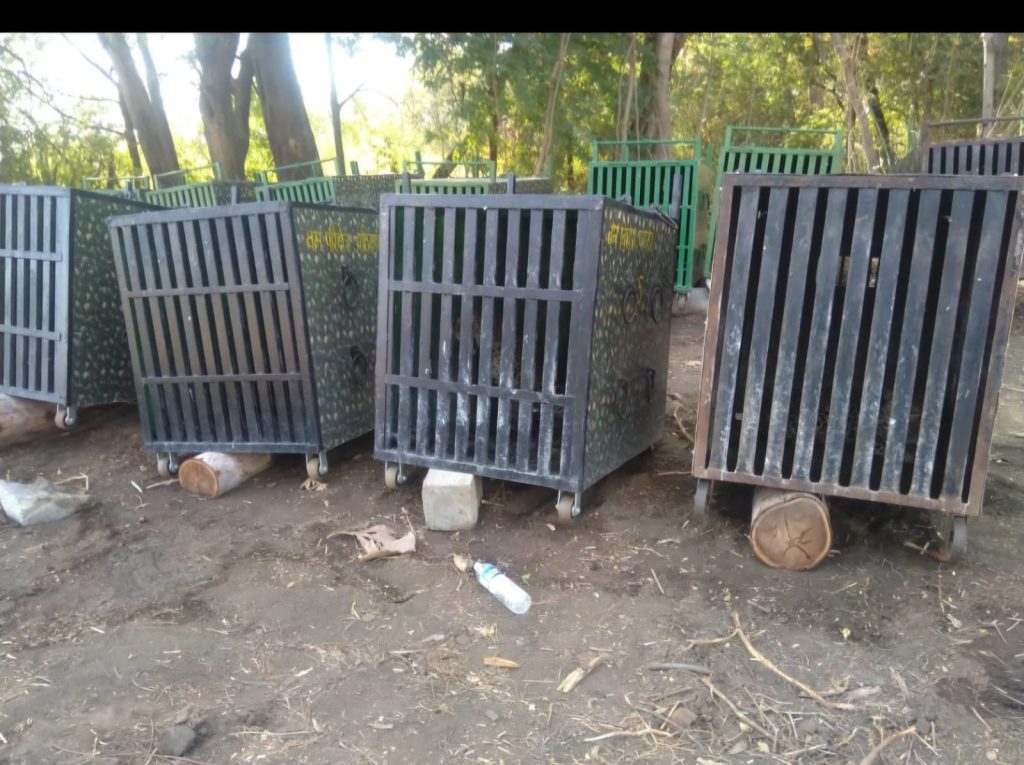
A quiet village in Parner taluka has become the center of a growing wildlife controversy. In Vadgaon Sawtal, located in Maharashtra’s Ahilyanagar district (formerly Ahmednagar), 21 leopards have reportedly been confined in small trap cages for nearly three months. Two of the big cats have already died, according to local activists, triggering urgent appeals to authorities and animal welfare groups.
Concerned citizens and wildlife defenders have now flooded People for the Ethical Treatment of Animals (PETA) India and state forest officials with requests for immediate intervention.
The leopards were reportedly captured during ongoing human–wildlife conflict operations in the Parner region. However, activists allege that instead of being swiftly relocated to rehabilitation centers or forest reserves, the animals have remained inside narrow transport cages — structures typically meant for short-term holding, not extended confinement.
With temperatures in parts of Maharashtra soaring above 40°C, the metal enclosures have been described by observers as “scorching boxes.” Wildlife volunteers claim the animals are showing signs of extreme stress, dehydration, and injury from constant pacing within cramped spaces.
Two leopard deaths have intensified scrutiny. While official post-mortem findings have not been publicly detailed, activists argue prolonged stress and heat exposure may have contributed.
Local wildlife advocates, have condemned the situation as both inhumane and legally troubling. Leopards are protected under India’s Wildlife Protection Act, making their welfare a matter of national conservation importance. “These cages are meant for transport — not detention camps,” said one volunteer involved in monitoring the situation. “If any of the females are pregnant, the consequences could be tragic.”
The appeals have now reached the Central Zoo Authority, which regulates animal housing standards in recognized facilities across India.
Officials from the Maharashtra Forest Department have acknowledged the captures but maintain that the animals are being monitored and provided with food and veterinary care. Sources indicate that overcrowding in existing rescue centers and a shortage of approved enclosures have delayed relocation.
Proposals for expanded holding facilities are reportedly under consideration. However, conservationists argue that emergency measures must be taken immediately to prevent further casualties.
The crisis in Vadgaon Sawtal reflects a broader human–leopard conflict across Maharashtra. In agricultural regions bordering forest patches, leopards often wander into villages in search of prey, leading to panic, livestock loss, and occasional attacks.
In districts such as Nashik and parts of western Maharashtra, large-scale trapping drives have become more frequent. Critics argue that reactive capture strategies without adequate rehabilitation infrastructure only shift the problem — and risk animal suffering.
Wildlife groups are demanding:
- Immediate relocation of the leopards to certified rescue or rehabilitation facilities
- Independent veterinary assessments
- Public transparency regarding deaths and health reports
- Long-term conflict mitigation plans focusing on coexistence
Social media campaigns have amplified the issue, with citizens urging authorities to act before more animals perish.
At the heart of the controversy lies a difficult balance: protecting rural communities while ensuring humane treatment of protected wildlife. Conservationists stress that prolonged confinement in inadequate facilities undermines both ethical wildlife management and India’s conservation commitments.
As pressure mounts, the fate of the remaining 19 leopards hangs in the balance — their survival dependent on swift administrative decisions coupled with action by wildlife rescue and conservation organizations working in Maharashtra.