A late-night event at Jawaharlal Nehru University (JNU) marking the anniversary of the January 5, 2020, campus violence, has sparked a political and social uproar after a purported video surfaced online showing students allegedly raising controversial slogans against Prime Minister Narendra Modi and Home Minister Amit Shah.
The event, initially intended as a peaceful commemoration of the brutal violence that shook the campus six years ago, has now ignited widespread debate, with the university and police authorities launching an investigation into the matter. In response to the viral video, which captured students chanting inflammatory slogans, the JNU administration has demanded the registration of a First Information Report (FIR) and vowed to take strict action.
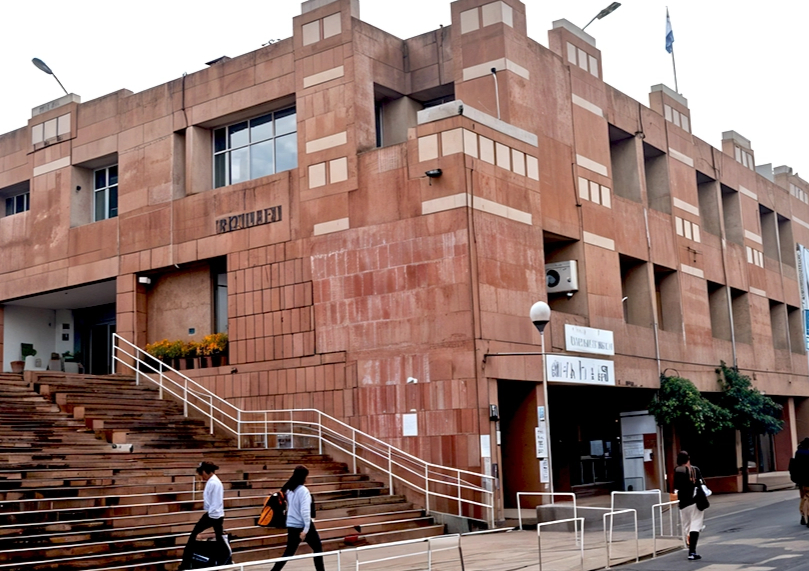
On the evening of January 5, 2026, students, primarily associated with the JNU Students’ Union (JNUSU), gathered near Sabarmati Hostel to observe the sixth anniversary of the violent attacks that left several students and faculty members injured. The incident, often referred to as the “JNU violence,” saw masked assailants storm the campus, attacking students and teachers, including then JNUSU president Aishe Ghosh.
This year’s event, organized under the title “A Night of Resistance with Guerrilla Dhaba,” was meant as a form of resistance, remembering the 2020 violence and asserting the rights of students to peacefully protest on campus. According to the JNUSU, the call for the event was part of a larger effort to mark the day as a symbol of resistance to authoritarianism and violence.
“We wanted to commemorate the tragic incident and also highlight the importance of academic freedom,” said Sunil Yadav, JNUSU General Secretary. “This was not about politics but about standing up for students’ rights.” Yadav confirmed that the remembrance event took place, but he refused to comment on the slogans that were allegedly raised during the gathering.
However, what initially seemed to be a routine protest took a more serious turn when videos began circulating online showing a group of students raising what were described as “highly objectionable” and “provocative” slogans targeting Prime Minister Narendra Modi and Home Minister Amit Shah. The chants, which appeared to call for resistance against the current government, have caused considerable controversy, with many viewing them as inflammatory and out of line with the intent of the event.
In response to the viral footage, JNU’s administration issued a statement condemning the slogans, calling them “inflammatory” and “provocative.” The university’s Security Department confirmed that officials were present at the site and closely monitored the situation as it unfolded. “The administration has taken very serious cognizance of the matter,” the statement said. “The competent authority has directed the university’s security branch to cooperate with the police in the ongoing investigation.”
The university has called for an FIR to be registered in connection with the slogans, noting that the actions of the students involved are being closely scrutinized. The university’s letter to the Vasant Kunj (North) Police, which was sent on Tuesday, asked the police to take action under relevant sections of the Indian Penal Code related to public order and provocative speech.
The incident comes as part of an ongoing trend of political activism at JNU, which has long been a hotbed of student protests, especially around issues related to freedom of speech, national politics, and academic independence. The 2020 campus violence remains a defining moment in the university’s history, and for many students, it continues to symbolize the ongoing struggle for political expression.
JNU’s leadership, particularly Vice-Chancellor M. Jagadesh Kumar, has often found itself at odds with student groups over issues of political freedom, academic autonomy, and campus security. The university has faced criticism for its handling of protests in the past, with many students accusing the administration of curbing dissent.
The incident has attracted strong political reactions, with leaders from both the ruling Bharatiya Janata Party (BJP) and opposition parties condemning the actions. BJP leaders have accused the student protesters of engaging in anti-national rhetoric, while opposition leaders have expressed concern over the growing atmosphere of intolerance in Indian universities.
“Such slogans incite violence and create divisions in society. We will not tolerate this kind of hatred being spread on our campuses,” said BJP spokesperson Nupur Sharma.
On the other hand, opposition leaders have pointed out that the event was initially intended to remember the victims of the 2020 violence and express solidarity with students fighting for their rights. “This is an attempt to silence students and suppress dissent,” said Congress leader Priyanka Gandhi.