The end of Manoj Jarange Patil’s hunger strike has significant political and social implications for both the Maratha agitation and the Devendra Fadnavis-led BJP government in Maharashtra
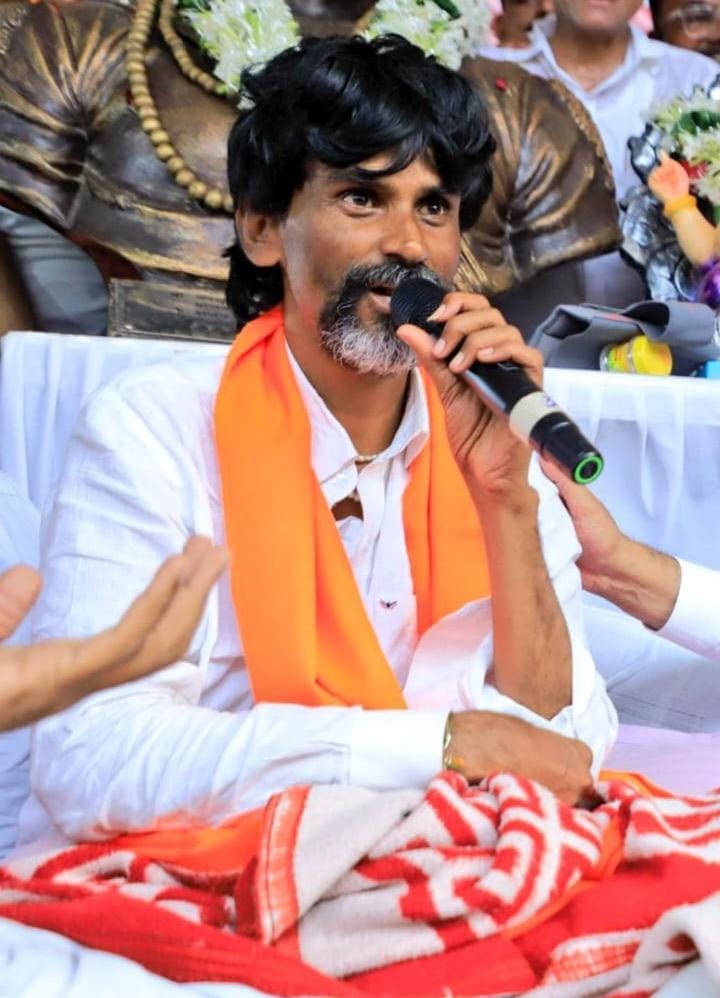
Maratha quota activist Manoj Jarange-Patil on Tuesday ended his hunger strike after the BJP-led Maharashtra government agreed to most of his key demands, including the issuance of Kunbi caste certificates to eligible Marathas, which would allow them to avail of reservation benefits under the Other Backward Classes (OBC) category.
Jarange broke his fast at Mumbai’s Azad Maidan by accepting a glass of fruit juice from senior BJP leader Radhakrishna Vikhe Patil, who heads the Cabinet sub-committee on the Maratha reservation issue.
The 43-year-old activist was seen in tears as hundreds of supporters erupted in cheers.
He was later taken by ambulance for a medical check-up.
But reservation battle is far from over any large-scale inclusion of Marathas into the OBC category will be closely watched by the courts and by existing OBC groups who may see this as dilution of their share.
For the Devendra Fadnavis government ending the hunger strike and protest at Azad Maidan provides immediate relief from public pressure, court warnings, and city disruptions. However, implementing the quota demands will be complex, legally risky, and politically sensitive. OBC groups may resist sharing their quota with Marathas. The courts have already called parts of the protest illegal and future legal battles over quotas are likely now
Earlier in the day, Jarange had demanded that the Chief Minister and Deputy CMs Eknath Shinde and Ajit Pawar come to Azad Maidan to end his fast. However, Vikhe Patil informed him that all three leaders were out of Mumbai and urged him to reconsider.
Jarange relented but issued a warning to the government not to go back on its promises.
The Bombay High Court had issued a stern ultimatum to the activist and his supporters, directing them to vacate Azad Maidan by 3 PM or face contempt proceedings, fines, and police action. The court termed the ongoing protest “completely illegal” and emphasized the need to restore normalcy in the city.
Why was this protest allowed in Mumbai was also being asked.
Jarange-Patil
For now Jarange-Patil has emerged as the leading face of the renewed Maratha reservation movement in Maharashtra.
Backed by significant support from Maratha leaders and grassroots activists, his agitation put the ruling Mahayuti coalition — comprising the BJP, Shiv Sena, and NCP (Ajit Pawar faction) — under considerable political pressure.
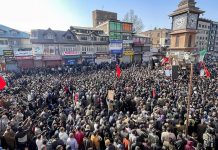
On Friday, Jarange arrived in Mumbai with a massive convoy of vehicles and thousands of supporters, causing major traffic disruptions across the city, which was already bustling with Ganesh Chaturthi festivities.
On Saturday, he rejected an appeal from the Justice Sandeep Shinde committee, which had sought more time to study the issue. Instead, he demanded an immediate government resolution declaring all Marathas in the Marathwada region as Kunbis — a classification that would make them eligible for OBC reservation.
The farmer-turned-activist from Jalna district, Jarange rose to prominence in 2023 after spearheading a large-scale protest demanding Maratha reservation.
Known for his non-political approach and ability to mobilise masses at the grassroots level, he has led several rallies and hunger strikes, demanding the issuance of caste certificates for Marathas based on historical documentation.
What next
Jarange-Patil is now the face of the Maratha reservation movement, with mass support and political clout — despite claiming to be apolitical. This may inspire similar grassroots leaders in other regions or castes.
Analysts say that the agitation has gained legitimacy and momentum.
If the government delays implementation or is perceived to be backtracking, protests could reignite.
But reservation battles are far from over any large-scale inclusion of Marathas into the OBC category will be closely watched by the courts and by existing OBC groups who may see this as dilution of their share.